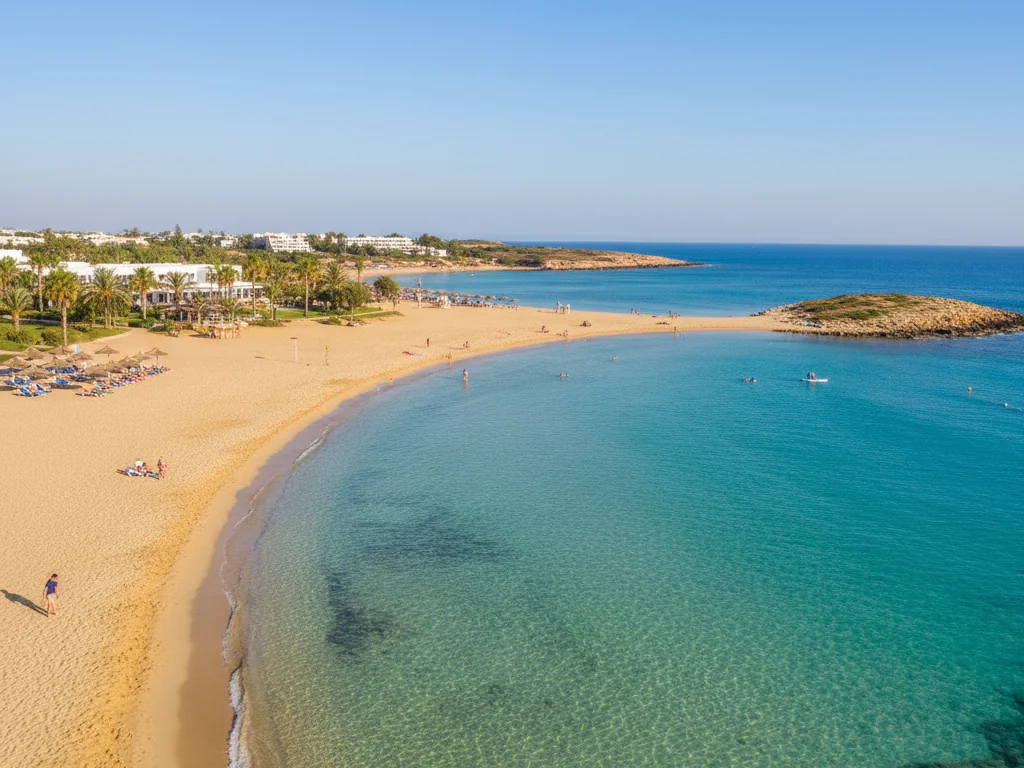
Best Time to Visit Maldives with Kids
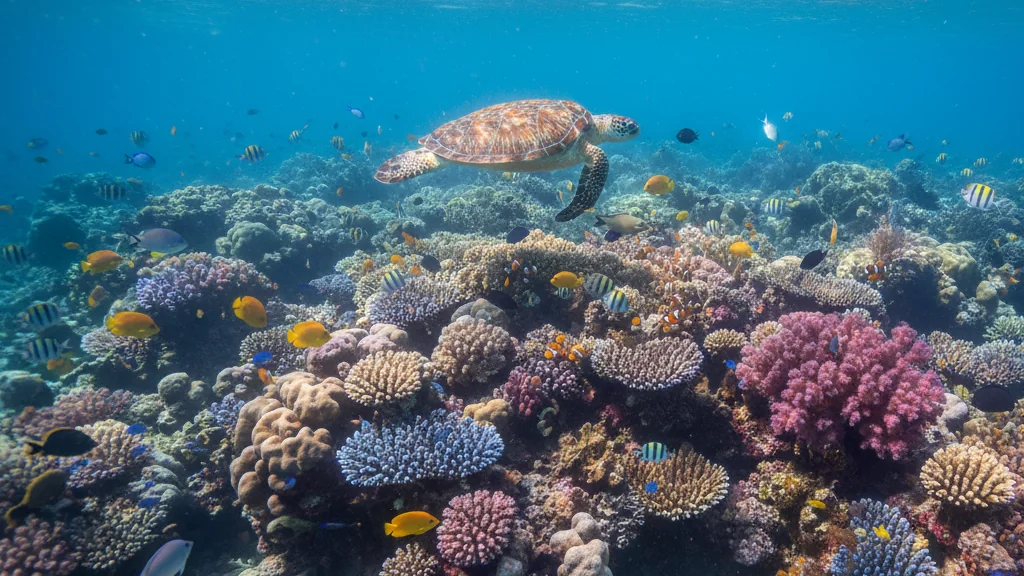
Planning a family getaway to the Maldives requires careful consideration of weather patterns, school schedules, and the unique needs of travelling with children. This tropical archipelago offers warm temperatures year-round, but distinct wet and dry seasons dramatically affect the family holiday experience. The period between January and April delivers the most reliable sunshine and calm seas for snorkelling and beach play, while the southwest monsoon from May through October brings considerably more rainfall and rougher ocean conditions. Families seeking the sweet spot of good weather, manageable crowds, and reasonable value typically find success in the shoulder months that bookend the peak dry season.
| Month | Avg high | Avg low | Rainfall | Rainy days |
|---|---|---|---|---|
| January | 27.7°C | 26.5°C | 63.8 mm | 9.4 |
| February | 28.0°C | 26.7°C | 38.5 mm | 8.1 |
| March | 28.5°C | 27.0°C | 74.4 mm | 11.7 |
| April | 29.0°C | 27.3°C | 103.5 mm | 15.3 |
| May | 28.9°C | 27.0°C | 259.3 mm | 24.8 |
| June | 28.7°C | 27.1°C | 91.5 mm | 14.4 |
| July | 28.4°C | 26.7°C | 160.3 mm | 17.4 |
| August | 28.3°C | 26.7°C | 162.5 mm | 16.9 |
| September | 28.1°C | 26.3°C | 202.4 mm | 19.6 |
| October | 28.1°C | 26.3°C | 223.6 mm | 21.4 |
| November | 27.9°C | 26.1°C | 257.1 mm | 22.1 |
| December | 27.9°C | 26.2°C | 219.8 mm | 20.5 |
Best Overall Months for Families
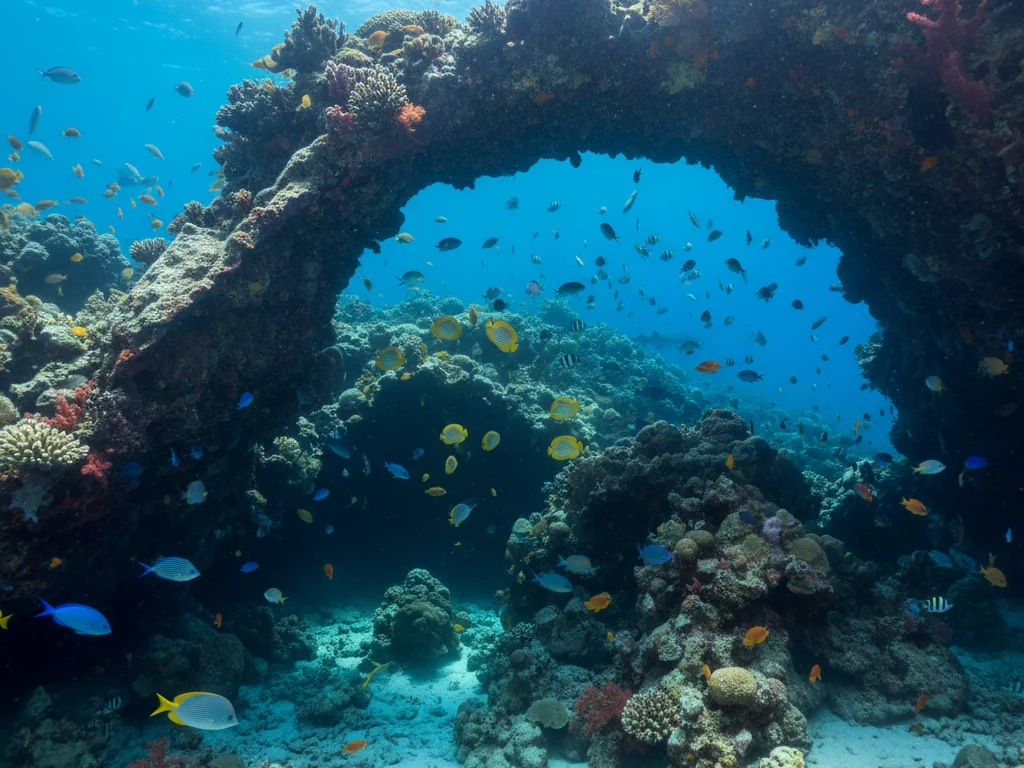
February and March stand out as the prime months for families visiting the Maldives. February in the Maldives brings average highs of 28.0°C with lows around 26.7°C and minimal rainfall at just 38.5 mm across approximately 8.1 rainy days, making it the driest month of the year. March follows closely with temperatures reaching 28.5°C, though rainfall increases slightly to 74.4 mm over 11.7 days. These months offer excellent conditions for children to enjoy water activities safely, with calm lagoons perfect for young swimmers and clear visibility for families exploring coral reefs together. The consistent sunshine allows for predictable daily routines, important when travelling with younger children who thrive on structure. January also merits strong consideration, with temperatures of 27.7°C and moderate rainfall of 63.8 mm across 9.4 days, though it tends to attract higher visitor numbers as families capitalize on winter school breaks.
Month-by-Month Breakdown for Family Travel
Understanding how each month performs helps families align their travel dates with specific priorities and constraints.
- January: Temperatures reach 27.7°C with 63.8 mm of rainfall over 9.4 days. Excellent weather coincides with peak holiday crowds as northern hemisphere families escape winter.
- February: The driest month with just 38.5 mm of rain across 8.1 days and highs of 28.0°C. Ideal for families seeking maximum sunshine and minimal weather disruptions.
- March: Temperatures climb to 28.5°C with rainfall increasing to 74.4 mm over 11.7 days. Still firmly in the dry season with excellent conditions for all beach activities.
- April: Highs of 29.0°C mark the warmest month, though rainfall jumps to 103.5 mm across 15.3 days as the shoulder season begins. Heat may challenge very young children.
- May: The wettest month arrives with 259.3 mm of rainfall over 24.8 days and temperatures of 28.9°C. Heavy monsoon rains disrupt outdoor plans frequently.
- June: Conditions improve slightly with 91.5 mm over 14.4 days and temperatures around 28.7°C. A potential option for budget-conscious families willing to accept occasional showers.
- July and August: Mid-monsoon months bring 160.3 mm and 162.5 mm of rainfall respectively, spread across 17.4 and 16.9 days. Temperatures hover around 28.3-28.4°C, but rougher seas limit water activities.
- September: Rainfall measures 202.4 mm over 19.6 days with temperatures at 28.1°C. Challenging for families seeking consistent beach days.
- October: One of the wettest periods with 223.6 mm across 21.4 days. Not recommended for families prioritizing outdoor activities.
- November: Peak monsoon continues with 257.1 mm over 22.1 days. Very limited windows for beach enjoyment.
- December: Conditions begin improving toward month's end, though 219.8 mm over 20.5 days still presents challenges. Late December transitions toward the dry season.

School Holidays vs Shoulder Season Trade-offs
Families face the perpetual tension between optimal weather windows and school calendar constraints. The traditional northern hemisphere summer holidays from June through August unfortunately coincide with the Maldives' southwest monsoon, bringing the highest rainfall and least favourable conditions for beach-focused family trips. Easter breaks typically fall in March or April, offering excellent weather alignment before the monsoon arrives, though April's 103.5 mm of rainfall and 15.3 rainy days signal the approaching wet season. Winter half-term breaks in February deliver the best weather-holiday overlap, with minimal rainfall and calm seas perfect for families with young children. October half-term breaks, however, align poorly with local conditions - 223.6 mm of rainfall across 21.4 days makes this one of the most challenging periods. Families with flexibility may find late November or early December offers improving conditions as resorts lower rates heading into the Christmas peak season.
Weather Patterns Throughout the Year
The Maldives experiences two distinct monsoon seasons that govern the family travel experience. The northeast monsoon from December through April is characterized as the dry season, with the driest three-month window running January through March, when rainfall remains below 75 mm except for March's 74.4 mm. During this period, average highs range from 27.7°C to 28.5°C with lows between 26.5°C and 27.0°C, creating comfortable conditions for children to play outdoors without excessive heat. The southwest monsoon dominates from May through October, bringing significantly more precipitation - May through November each records over 160 mm of rainfall, with May, October, November, and December exceeding 200 mm. Rainy days increase dramatically during the wet season, with May experiencing 24.8 days of rainfall and October through December each seeing more than 20 rainy days. Temperatures remain relatively stable year-round, with annual variation of only 1.3°C between the coolest and warmest months, meaning humidity and rainfall rather than temperature define seasonal comfort levels.
What to Pack for a Family Trip
Packing for the Maldives with children requires balancing the tropical climate with practical family travel needs. Lightweight, breathable clothing in natural fibres works best for the consistently warm temperatures that range from lows of 26.1°C to highs of 29.0°C throughout the year. Children will need multiple swimsuits to ensure dry options are always available, along with full-coverage rash guards providing essential sun protection for extended water play. High-SPF reef-safe sunscreen is critical, as the equatorial sun intensity affects young skin rapidly. If travelling during the dry season from January through March when rainfall stays below 75 mm, a light rain jacket may suffice, but families visiting during the wet season months should pack proper waterproof layers and enclosed shoes for the frequent downpours exceeding 200 mm monthly. Water shoes protect small feet from coral and sea urchins in shallow lagoons. A packable sun hat with chin strap prevents loss during boat transfers between islands. Consider bringing anti-nausea medication for children, as boat rides can become choppy during the monsoon months from May through November when seas are rougher. A small first-aid kit, insect repellent for evening hours, and any prescription medications complete the essentials.
Crowd Levels and Seasonal Pricing Patterns
The Maldives follows a predictable tourism cycle that directly impacts the family travel experience. Peak season runs from late December through March, coinciding with the dry season's minimal rainfall and calm seas. During this window, resorts reach capacity and advance booking becomes essential, particularly around Christmas, New Year, and February half-term breaks. The shoulder season in April and late November through early December offers a middle ground, where weather remains relatively cooperative - though April sees rainfall increase to 103.5 mm - while crowd pressure eases and resort rates typically soften. Low season spans May through October when the southwest monsoon brings substantial rainfall, with May and November exceeding 250 mm. During these months, resorts operate well below capacity and offer their most attractive rates, though families must accept that weather will significantly impact outdoor activities. Rainy days increase from 16.9 days in August to 24.8 days in May, meaning alternative indoor entertainment becomes necessary. For budget-conscious families willing to embrace unpredictability, June presents the best wet season option with reduced rainfall of 91.5 mm across 14.4 days compared to surrounding months.
FAQ
What is the best month to visit the Maldives with young children who want to snorkel and swim every day?
February offers the most reliable conditions for daily water activities with children, recording just 38.5 mm of rainfall across 8.1 rainy days and average temperatures of 28.0°C. The calm seas and clear visibility during this driest month of the year allow families to plan water-based activities with confidence, knowing weather disruptions will be minimal.
Can families have a good holiday in the Maldives during summer school holidays in July or August?
July and August fall during the southwest monsoon, bringing 160.3 mm and 162.5 mm of rainfall across 17.4 and 16.9 days respectively. While temperatures remain warm around 28.3-28.4°C, families should expect regular rain interruptions and rougher sea conditions that limit snorkelling and water sports. Resorts offering strong indoor facilities and flexible families comfortable with weather variability can still enjoy this period, though it requires adjusted expectations compared to dry season visits.
How much rain should families expect if visiting the Maldives during October half-term break?
October presents challenging conditions with 223.6 mm of rainfall distributed across 21.4 rainy days, meaning rain can be expected on approximately two-thirds of days during a typical week-long holiday. Families visiting during October half-term should prioritize resorts with covered activities, kids' clubs, and indoor entertainment options, as outdoor beach plans will face frequent disruptions.
Is it worth visiting the Maldives with kids during the shoulder season months to save money while still getting decent weather?
April and early December represent the best shoulder season opportunities for families. April temperatures reach 29.0°C with 103.5 mm of rainfall over 15.3 days - noticeably wetter than the peak dry months but still offering many sunny periods. Early December sees conditions improving as the dry season approaches, though 219.8 mm over 20.5 days means weather remains unpredictable. Late November through early December can deliver good value as resorts lower rates before the Christmas peak, but families should maintain flexible daily plans to work around rainfall.
Weather data: open-meteo (ERA5 reanalysis, 2014-2023 averages). Reviewed and updated periodically.