Best Time to Visit Malta with Kids
Malta offers families a unique blend of Mediterranean sunshine, compact distances, and rich history wrapped in a child-friendly package. Choosing when to visit this island nation hinges on balancing warm beach weather, manageable crowds, and school calendar constraints. The optimal months for families typically fall in late spring and early autumn, when temperatures hover in the comfortable low-to-mid twenties Celsius, rainfall remains minimal, and attractions operate without the peak summer crush. Understanding Malta's distinct seasonal patterns - from the dry, scorching summers to the mild, wetter winters - helps families plan trips that maximize outdoor exploration while avoiding weather extremes that challenge young travellers.
| Month | Avg high | Avg low | Rainfall | Rainy days |
|---|---|---|---|---|
| January | 15.1°C | 11.6°C | 40.4 mm | 8.0 |
| February | 15.4°C | 11.6°C | 49.7 mm | 6.0 |
| March | 16.1°C | 12.4°C | 35.4 mm | 7.2 |
| April | 18.2°C | 14.2°C | 11.4 mm | 2.6 |
| May | 21.5°C | 17.1°C | 13.1 mm | 3.0 |
| June | 26.3°C | 21.2°C | 2.6 mm | 0.8 |
| July | 29.5°C | 24.1°C | 1.0 mm | 0.3 |
| August | 29.7°C | 25.1°C | 4.7 mm | 1.2 |
| September | 27.4°C | 23.5°C | 29.2 mm | 4.1 |
| October | 24.0°C | 20.3°C | 57.6 mm | 7.1 |
| November | 20.6°C | 17.0°C | 74.5 mm | 10.7 |
| December | 17.0°C | 13.7°C | 45.2 mm | 7.7 |
Best Overall Months for Families
May and September stand out as the prime windows for visiting Malta with children. May in Malta delivers average highs of 21.5°C and lows of 17.1°C, with only 13.1 millimetres of rainfall spread across three rainy days - conditions ideal for beach play, harbour tours, and fortress exploration without overheating. September mirrors this appeal with highs of 27.4°C and lows of 23.5°C, though rainfall increases slightly to 29.2 millimetres over four days. Both months offer warm sea temperatures suitable for swimming, daylight hours long enough for full sightseeing days, and crowd levels that allow families to explore Mdina's medieval streets or the Blue Grotto without excessive queues. June also merits consideration, with highs reaching 26.3°C and near-negligible rainfall of 2.6 millimetres, though it edges closer to peak season pricing and occupancy as schools break for summer.
Month-by-Month Breakdown for Family Travel
Each month in Malta presents distinct advantages and challenges for families planning their itinerary. Winter months from December through February bring the coolest temperatures - highs between 15.1°C and 15.4°C - and the highest rainfall, with December recording 45.2 millimetres, February 49.7 millimetres, and January 40.4 millimetres across six to eight rainy days monthly. These months suit families seeking cultural immersion over beach time, with comfortable temperatures for walking tours and museum visits but unpredictable showers requiring flexible indoor backup plans. March transitions toward spring with highs of 16.1°C and moderate rainfall of 35.4 millimetres, still too cool for extended swimming but pleasant for outdoor historical sites.
April marks a sweet spot for shoulder-season travel, with temperatures climbing to 18.2°C during the day and rainfall dropping sharply to just 11.4 millimetres over 2.6 days - among the driest conditions outside the summer peak. May through August constitutes the beach season, with July and August reaching their hottest at 29.5°C and 29.7°C respectively, coupled with virtually no rain - July records a mere 1.0 millimetre and August 4.7 millimetres. These months guarantee sunshine but can prove uncomfortably hot for toddlers and young children during midday hours, requiring careful sun protection and afternoon breaks. October offers a gentle landing from summer with highs of 24.0°C, though rainfall increases substantially to 57.6 millimetres over seven days. November sees temperatures cooling to 20.6°C and becomes the wettest month at 74.5 millimetres across nearly eleven rainy days, limiting its appeal for families prioritizing outdoor activities.

School Holidays vs Shoulder Season Trade-Offs
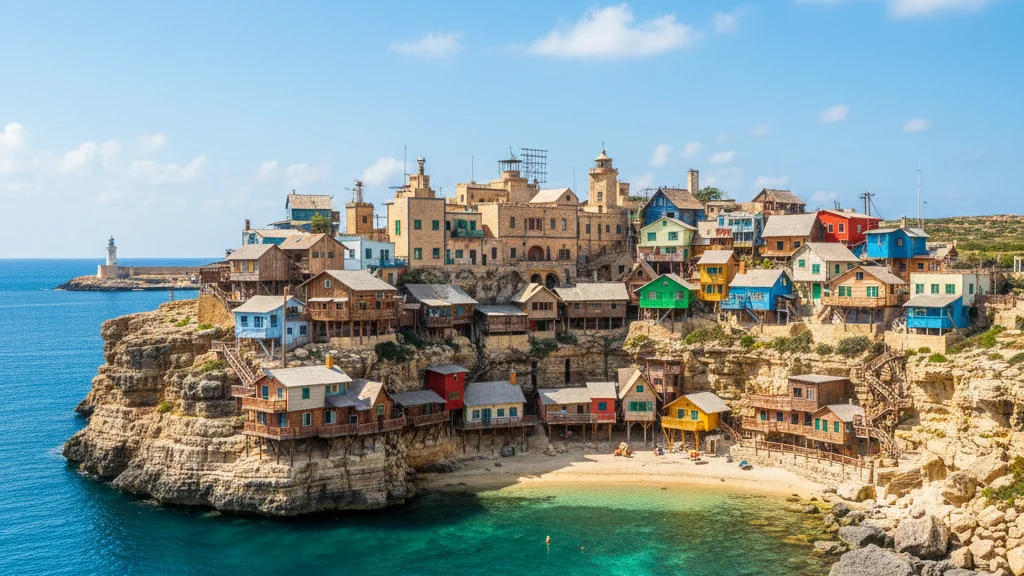
Families face a persistent dilemma between aligning Malta trips with school breaks and capitalizing on shoulder-season advantages. Summer holidays coincide with July and August, when Malta experiences its most reliable weather - average highs near 30°C and almost zero rainfall - but also peak crowding at beaches, attractions, and family-oriented hotels. Popular sites like Popeye Village and the Malta National Aquarium see their longest wait times, while rental accommodations and flights command premium rates. Easter breaks typically fall in late March or April, when temperatures range from 16.1°C to 18.2°C and rainfall diminishes, offering decent sightseeing conditions though the sea remains too cool for most children to swim comfortably.
October half-term holidays present an attractive compromise, with temperatures still reaching 24.0°C - warm enough for beach enjoyment - though families must prepare for increased rainfall of 57.6 millimetres and the possibility of several wet days. May half-term, where it exists in school calendars, captures ideal conditions with 21.5°C highs and minimal 13.1-millimetre rainfall, though this window proves brief. Families with flexibility to travel outside strict holiday periods gain access to quieter attractions, more attentive service at restaurants, and generally lower seasonal pricing throughout April, May, and September, when Malta's weather remains highly conducive to the full range of family activities from swimming to fortress rambling.
Weather Patterns by Season
Malta's Mediterranean climate divides into three distinct seasons that shape family travel experiences. Summer, spanning June through September, delivers the classic Malta experience with temperatures between 26.3°C and 29.7°C, negligible rainfall - never exceeding 29.2 millimetres even in September - and reliable sunshine that allows families to plan beach days and boat excursions with confidence. The sea warms to comfortable swimming temperatures, and outdoor attractions remain open with extended hours. Autumn, covering October and November, transitions toward unpredictability, with October's 57.6 millimetres and November's 74.5 millimetres of rainfall spread across seven to eleven days respectively, though temperatures remain mild at 24.0°C and 20.6°C.
Winter and early spring, from December through March, bring Malta's wettest and coolest period. Rainfall peaks in November at 74.5 millimetres but remains substantial through December at 45.2 millimetres, February at 49.7 millimetres, and January at 40.4 millimetres. Temperatures hover between 15.1°C and 16.1°C for daytime highs, with nighttime lows between 11.6°C and 12.4°C - mild by northern European standards but requiring layers and jackets, particularly for children. March sees rainfall decrease to 35.4 millimetres, signalling the transition toward the dry season. Late spring, primarily April and May, offers the most balanced conditions: April records only 11.4 millimetres of rain across fewer than three days with 18.2°C highs, while May warms to 21.5°C with similarly dry conditions at 13.1 millimetres.
What to Pack for Malta with Kids
Packing for Malta depends heavily on travel timing and the island's pronounced seasonal weather variations. Summer months from June through August require sun protection as the priority: high-SPF sunscreen, wide-brimmed hats, UV-protective rash guards for water play, and lightweight, breathable cotton or linen clothing in light colours. Temperatures reaching 29.5°C to 29.7°C and intense Mediterranean sun make cooling accessories essential - consider portable fans, cooling towels, and insulated water bottles to keep children hydrated during fortress tours and harbour walks. Pack sandals with good grip for rocky beaches and a light cardigan for air-conditioned restaurants and buses.
Shoulder-season visits in April, May, and September call for versatile layering: T-shirts and shorts for warm 18.2°C to 27.4°C daytime temperatures, plus light sweaters or hoodies for cooler evening lows between 14.2°C and 23.5°C. Include a compact rain jacket or umbrella for May and September, when rainfall reaches 13.1 millimetres and 29.2 millimetres respectively, though rainy days remain infrequent. Winter travel from November through February demands warmer clothing despite mild 15.1°C to 20.6°C daytime temperatures - pack long trousers, long-sleeved shirts, medium-weight jackets, and closed-toe shoes, as the combination of wind, humidity, and frequent rainfall across six to eleven days monthly creates a chill that surprises visitors expecting perpetual warmth. A waterproof jacket with hood becomes essential, along with an umbrella and perhaps indoor entertainment options like activity books for hotel downtime during rainy spells.
Crowds and Price Seasonality
Malta experiences pronounced seasonal fluctuations in visitor numbers and accommodation costs that significantly impact family travel budgets and experience quality. Peak season runs from mid-June through August, when European summer holidays drive maximum demand. Beaches like Golden Bay and Mellieha Bay reach capacity by mid-morning, popular restaurants require advance booking, and family-friendly hotels fill months ahead. This period commands the highest rates across accommodations, with limited availability and minimal incentive for properties to offer family deals or flexible cancellation terms.
Shoulder seasons in April through May and September through October bring markedly fewer visitors, creating a more relaxed atmosphere at attractions and beaches while maintaining good weather - temperatures between 18.2°C and 27.4°C with minimal rainfall except in October. Hotels and holiday rentals typically reduce rates during these months and prove more receptive to family requests for connecting rooms or flexible check-in times. Low season spans November through March, when visitor numbers drop to their annual minimum. While weather becomes less predictable with rainfall between 35.4 millimetres and 74.5 millimetres monthly and cooler 15.1°C to 20.6°C temperatures, families prioritizing cultural exploration over beach time find attractions virtually crowd-free and accommodation costs at their lowest. Christmas and New Year represent a brief high-season spike within the winter months, with increased crowds and elevated pricing around the holidays before returning to low-season norms in January and February.
FAQ
What is the best month to visit Malta with young children who want to swim every day?
June offers the ideal combination for families prioritizing daily swimming, with average high temperatures of 26.3°C, warm sea temperatures, and only 2.6 millimetres of rainfall across fewer than one rainy day on average. The month provides reliably sunny weather without the intense heat of July and August, when 29.5°C to 29.7°C temperatures can overwhelm toddlers and preschoolers. June also edges just ahead of peak summer crowds, making beaches more manageable for families with young children who need space to play.
When should families avoid visiting Malta due to weather conditions unsuitable for outdoor activities with kids?
November presents the most challenging conditions for family outdoor activities, recording 74.5 millimetres of rainfall across 10.7 days on average - the highest monthly rainfall and rainy-day count of the year. Combined with temperatures cooling to 20.6°C highs, this month limits beach activities and increases the likelihood of weather disrupting planned outdoor excursions to historical sites and nature areas. Families seeking primarily outdoor experiences should also approach late October through February cautiously, as rainfall between 40.4 millimetres and 74.5 millimetres monthly and higher rainy-day frequencies reduce reliable access to Malta's outdoor attractions.
Can families visit Malta during Easter holidays and still enjoy warm enough weather for beach time?
Easter visits depend on the holiday's calendar position, which shifts annually. Early April sees average highs of 18.2°C with minimal 11.4-millimetre rainfall - pleasant for sightseeing but generally too cool for extended beach time, especially for children. Late April and early May prove more successful for beach activities as temperatures climb toward 21.5°C, though the sea takes time to warm from winter temperatures and some children may still find the water uncomfortably cool. Families should plan Easter trips with cultural activities and coastal walks as primary draws, treating beach time as a bonus rather than the main attraction unless the holiday falls particularly late in April or into May.
How much does travelling to Malta in shoulder season versus peak summer actually benefit families in terms of crowds at major attractions?
Shoulder-season travel in May or September delivers substantially reduced crowding at Malta's family-oriented attractions compared to July and August peak season. Sites like the Fortifications Interpretation Centre in Valletta, Popeye Village, and the Malta National Aquarium operate with shorter queues and more breathing room, allowing families to move at children's pace without constant jostling. Beaches like Gnejna Bay and Golden Bay offer more space for children to play, and restaurants accommodate families without lengthy waits. The weather difference remains modest - May's 21.5°C versus July's 29.5°C, and September's 27.4°C - with May and September actually providing more comfortable temperatures for active children than peak summer's intensity, making the shoulder-season crowd advantage particularly compelling for families.
Weather data: open-meteo (ERA5 reanalysis, 2014-2023 averages). Reviewed and updated periodically.