Austria vs Switzerland for Families: Which to Pick?
Choosing between Austria and Switzerland for a family holiday means weighing Alpine scenery, outdoor adventure and cultural charm against climate patterns, seasonal crowds and what each country offers young travellers. Both destinations deliver mountain vistas, winter sports and fairy-tale towns, but their weather profiles, tourist rhythms and family-friendly infrastructure differ in ways that matter when travelling with children. This guide compares the two head-to-head using ten years of climate data, covering when to visit, what to pack and which country suits which kind of family trip.
Quick Verdict: Who Should Pick Which?
Austria and Switzerland both cater well to families, yet each has distinct strengths. Austria tends to offer broader seasons for outdoor play, slightly warmer summers and drier spring and autumn windows - attributes that suit families seeking hiking, cycling or city sightseeing without constant rain interruptions. Switzerland counters with dramatic high-altitude landscapes, exceptionally reliable winter snow cover and a dense network of family-oriented mountain railways and cable cars. Families prioritising summer lake swimming and lower-elevation trails often lean toward Austria, while those chasing iconic glacier hikes, year-round mountain access and premium ski resorts gravitate to Switzerland. Budget-conscious families may find Austria's generally lower accommodation and dining costs easier to manage, whereas Switzerland's efficiency and compact geography can simplify logistics with young children.
Weather and Climate Compared
Both countries experience a Central European Alpine climate, but rainfall distribution and intensity vary. Vienna's data shows Austria receives between 25.8 mm in March and 82.7 mm in May, with rainy days ranging from 6.3 in March to 13.2 in May. Zurich's records reveal Switzerland is consistently wetter: rainfall spans 66.3 mm in March to 133.3 mm in July, and rainy days climb from 11.4 in September to 16.7 in May. Austria's driest months - March, April and the late-winter window - provide more sunshine hours for castle tours and outdoor markets, while Switzerland's heavier summer precipitation means families should plan indoor museum visits or expect afternoon thunderstorms during peak holiday weeks.
| Month | Avg high | Avg low | Rainfall | Rainy days |
|---|---|---|---|---|
| January | 4.2°C | -1.4°C | 37.7 mm | 9.7 |
| February | 7.4°C | 0.1°C | 34.8 mm | 8.2 |
| March | 11.3°C | 1.9°C | 25.8 mm | 6.3 |
| April | 15.8°C | 5.9°C | 51.2 mm | 10.0 |
| May | 19.5°C | 10.5°C | 82.7 mm | 13.2 |
| June | 25.4°C | 15.4°C | 68.1 mm | 11.0 |
| July | 27.2°C | 17.3°C | 69.4 mm | 10.7 |
| August | 26.5°C | 16.9°C | 68.6 mm | 10.0 |
| September | 21.6°C | 12.8°C | 75.3 mm | 9.8 |
| October | 15.9°C | 8.4°C | 55.9 mm | 9.6 |
| November | 9.7°C | 3.7°C | 47.0 mm | 8.6 |
| December | 5.5°C | 0.1°C | 47.2 mm | 10.6 |
Temperature profiles are similar but not identical. In summer, Austria's average highs reach 27.2°C in July with lows around 17.3°C, while Switzerland peaks at 24.8°C in July with lows near 15.5°C - a modest but noticeable difference when children want to swim in lakes or play outdoors after dinner. Winter figures align closely: both countries see January highs around 4-5°C and lows near -1°C at lower elevations, though mountain resorts in both nations deliver reliable sub-zero temperatures and snow cover from December through March.
| Month | Avg high | Avg low | Rainfall | Rainy days |
|---|---|---|---|---|
| January | 4.6°C | -1.4°C | 99.3 mm | 14.2 |
| February | 7.1°C | -0.8°C | 71.8 mm | 12.0 |
| March | 10.8°C | 1.2°C | 66.3 mm | 12.0 |
| April | 14.7°C | 4.4°C | 89.7 mm | 12.1 |
| May | 17.8°C | 8.5°C | 131.5 mm | 16.7 |
| June | 23.2°C | 13.6°C | 117.6 mm | 14.3 |
| July | 24.8°C | 15.5°C | 133.3 mm | 15.0 |
| August | 24.2°C | 15.3°C | 125.5 mm | 13.3 |
| September | 20.1°C | 11.8°C | 83.1 mm | 11.4 |
| October | 15.5°C | 7.6°C | 86.1 mm | 11.6 |
| November | 9.1°C | 3.1°C | 94.8 mm | 13.0 |
| December | 5.7°C | 0.0°C | 97.6 mm | 14.3 |
Best Time to Visit Austria with Kids
Austria's sweet spots for families fall in late spring and early autumn. May brings average highs of 19.5°C and lows of 10.5°C, warm enough for hiking and biking but accompanied by 82.7 mm of rain across 13.2 days - pack waterproofs and plan flexible itineraries. June improves markedly: temperatures climb to 25.4°C, rainfall drops to 68.1 mm over 11.0 days, and the Danube valley, Salzkammergut lakes and Tyrolean trails are lush and inviting. September mirrors June's appeal - 21.6°C highs, 12.8°C lows and 75.3 mm of rain over 9.8 days - with the bonus of harvest festivals, fewer tour groups and golden foliage. December through February suits families chasing Christmas markets and ski lessons, though daylight hours are short and city sightseeing can feel rushed.
Best Time to Visit Switzerland with Families
Switzerland's family calendar hinges on activity type. For high-mountain hiking, cable-car rides and glacier viewing, July and August offer the warmest weather - 24.8°C and 24.2°C highs respectively - but also the heaviest rainfall (133.3 mm and 125.5 mm) and the busiest trails. Families comfortable with occasional afternoon showers and crowded viewpoints will find this window ideal for accessing high-altitude paths and swimming in mountain lakes. September strikes a better balance: temperatures remain mild at 20.1°C, rainfall eases to 83.1 mm over 11.4 days, and school groups thin out after the first week. Winter sports families should target January through March, when snow quality peaks and resorts offer dedicated children's ski schools; January sees 14.2 rainy days and 99.3 mm of precipitation, much of it falling as snow above 1,200 metres.
Crowds and Cost: Seasonal Shifts
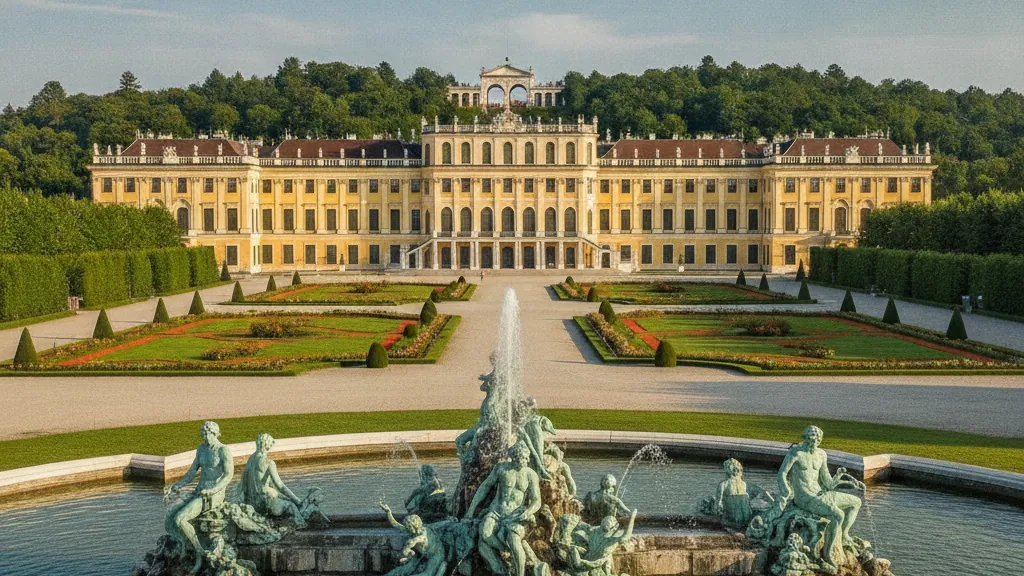
Both countries experience pronounced high and low seasons, but the timing and intensity differ. Austria's summer peak runs from late June through August, with Vienna, Salzburg and Innsbruck filling with tour groups; Christmas market weeks in December also draw dense crowds. Shoulder seasons - May, early June, September and October - bring fewer visitors, shorter queues at palaces and easier restaurant reservations without the need to book months ahead. Switzerland's tourist peaks align with school holidays across Europe: mid-July to mid-August for summer travel, and Christmas through New Year plus February half-term for skiing. Prices for family rooms and self-catering apartments rise during these windows, while September and early June offer better availability and lower rates. Neither country becomes truly quiet, but travelling outside peak weeks yields tangible savings and a more relaxed pace with children in tow.
Beaches, Lakes and Activities for Kids
Austria's Salzkammergut and Carinthian lake districts deliver warm, swimmable water from mid-June onward; lakeside beaches at Wolfgangsee, Hallstättersee and Wörthersee feature shallow entry points, paddle-board hire and grassy picnic areas ideal for toddlers and young swimmers. Mountain playgrounds, summer toboggans and via ferrata routes adapted for older children abound in Tyrol and Salzburgerland. Switzerland counters with Lake Geneva, Lake Zurich and Lake Lucerne, all offering summer lidos, pedal boats and short steamship cruises that double as sightseeing. Swiss mountain infrastructure is famously family-oriented: cogwheel trains to Jungfraujoch, the Glacier Express panorama coaches and countless gondolas with dedicated kids' play zones make high-altitude access effortless even with pushchairs. Indoor rainy-day options - interactive science museums, chocolate factories and castle dungeons - are plentiful in both countries, though Switzerland's compact size means shorter drives between wet-weather backups.
Which Family Should Pick Which Country?
Families with younger children who tire easily on long drives often prefer Switzerland's density: major sights, lakes and mountains sit within an hour or two of each other, and train travel is stroller-friendly. Those willing to cover more ground by car may favour Austria's broader geographic spread, which allows combining Vienna's imperial palaces, Salzburg's music heritage and Tyrolean mountain villages in a single trip. Budget-conscious families typically find Austria's accommodation, grocery and restaurant prices easier to manage, especially outside the main ski resorts. Families prioritising dramatic high-altitude scenery and year-round mountain railways lean toward Switzerland, while those seeking warmer summers, drier springs and more sunshine hours for outdoor play often choose Austria. Both countries are safe, clean and welcoming to children; the decision ultimately hinges on whether iconic Alpine infrastructure and compact logistics outweigh cost considerations and climate patterns.
FAQ
Is Austria or Switzerland better for families with toddlers who need easy sightseeing and short travel days?
Switzerland's compact size and exceptional public transport make it easier to reach lakes, mountains and cities without long car journeys. Trains accommodate strollers, and many mountain railways offer dedicated family carriages. Austria requires more driving between regions but rewards families with slightly warmer weather and lower costs for accommodations with kitchenettes, which simplify meal routines with fussy eaters.
Which country has more reliable weather for a summer family holiday without constant rain ruining outdoor plans?
Austria's summer months show lower rainfall totals and fewer rainy days than Switzerland. July in Austria records 69.4 mm over 10.7 days, while Switzerland logs 133.3 mm over 15.0 days. Families prioritising lake swimming, hiking and outdoor playgrounds face better odds of dry afternoons in Austria, though both countries can see afternoon thunderstorms in the Alps during peak summer.
What should families pack differently when visiting Austria versus Switzerland in May or September?
Both countries require layered clothing and waterproofs in shoulder seasons. Austria's May sees 82.7 mm of rain across 13.2 days with highs of 19.5°C, so pack lightweight rain jackets and long trousers. Switzerland's May is wetter still - 131.5 mm over 16.7 days - and temperatures average 17.8°C, meaning an extra fleece and robust waterproof footwear are essential. September conditions are milder and drier in both nations, but evenings turn cool; bring sweaters for cable-car rides and lake cruises.
Are crowds worse in Austria or Switzerland during the summer school holidays, and how does that affect families with children?
Both countries see peak visitor numbers from mid-July through August, but Switzerland's concentrated tourist infrastructure - especially around Interlaken, Zermatt and Lucerne - can feel more congested. Popular viewpoints and mountain railways require early starts or advance bookings. Austria's attractions spread across a wider area, so families can find quieter corners in Styria or Carinthia even during high season. Travelling in early June or September reduces crowds significantly in both destinations, with shorter queues and easier spontaneous dining.
Weather data: open-meteo (ERA5 reanalysis, 2014-2023 averages). Reviewed and updated periodically.