Best Time to Visit Poland with Kids
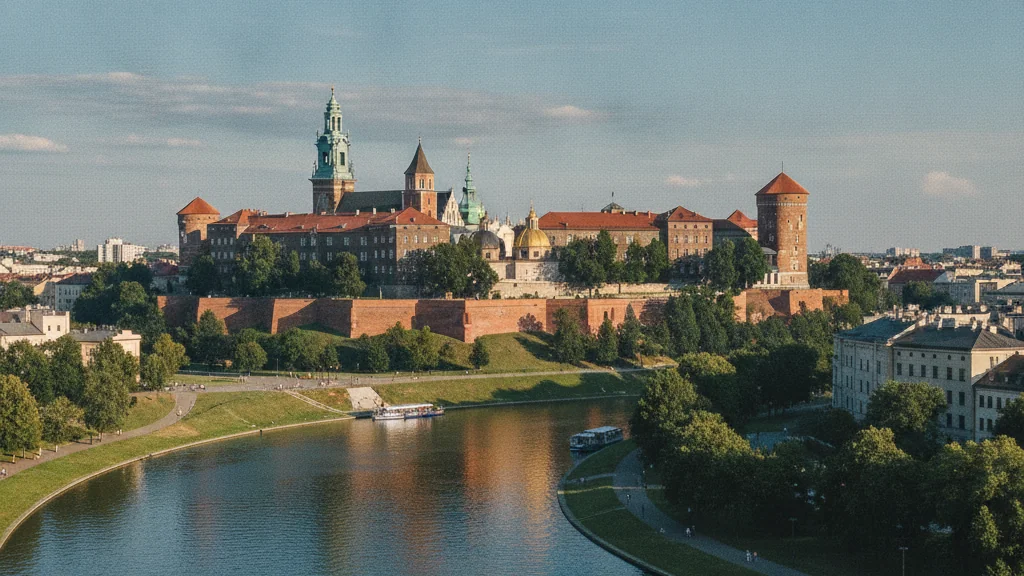
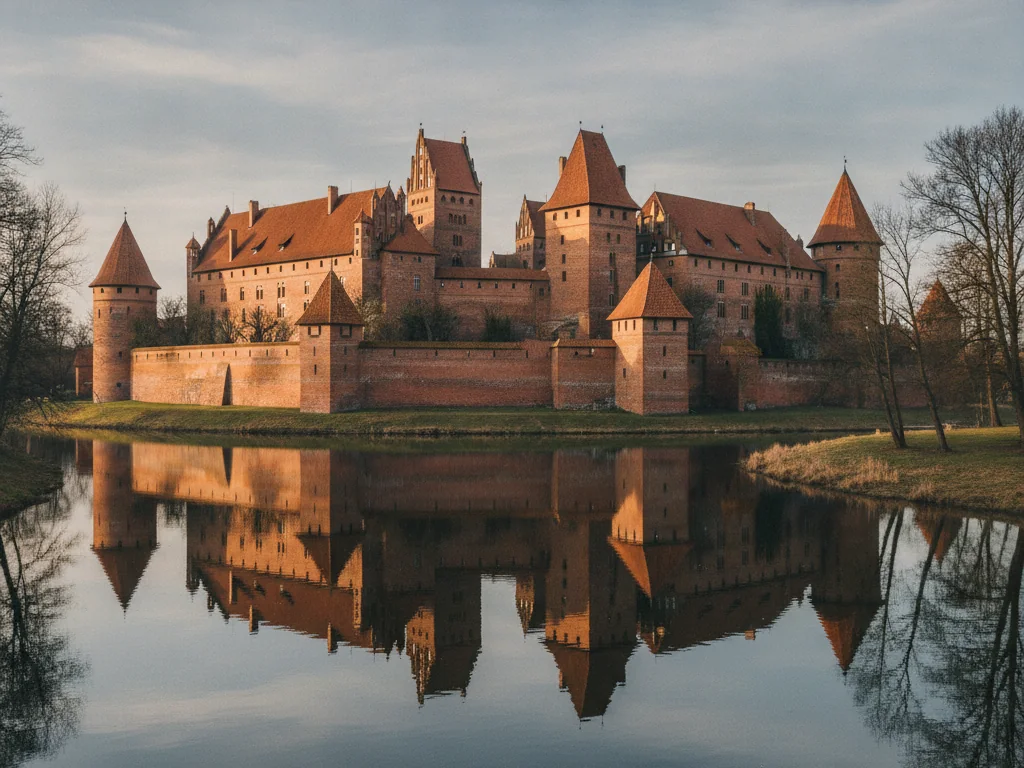
Poland offers families a rich tapestry of medieval castles, interactive museums, and outdoor adventures that span from the Baltic coast to the Tatra Mountains. Timing a family visit to Poland means balancing pleasant weather, manageable crowds, and school schedules. The country experiences a continental climate with warm summers, cold winters, and distinct seasonal shifts that shape the experience for travelling families. Understanding Poland's monthly weather patterns, peak tourist seasons, and school holiday periods helps families choose dates that align with their priorities - whether that means sunshine for exploring Krakow's old town, fewer tourists at Malbork Castle, or snow for a Zakopane mountain escape.
| Month | Avg high | Avg low | Rainfall | Rainy days |
|---|---|---|---|---|
| January | 1.6°C | -2.9°C | 49.5 mm | 13.1 |
| February | 4.3°C | -1.9°C | 42.5 mm | 9.9 |
| March | 8.5°C | 0.3°C | 39.8 mm | 10.2 |
| April | 13.8°C | 4.3°C | 48.5 mm | 10.6 |
| May | 18.7°C | 9.0°C | 75.9 mm | 13.1 |
| June | 23.8°C | 13.9°C | 63.9 mm | 9.9 |
| July | 24.7°C | 15.6°C | 80.7 mm | 14.0 |
| August | 24.9°C | 15.5°C | 79.9 mm | 11.2 |
| September | 19.8°C | 11.2°C | 60.2 mm | 10.1 |
| October | 13.7°C | 6.8°C | 61.7 mm | 11.7 |
| November | 7.3°C | 2.7°C | 40.0 mm | 9.3 |
| December | 3.6°C | -0.4°C | 56.8 mm | 11.7 |
Best Overall Months for Families
May through September represents the prime window for family travel to Poland, with May, June and September standing out as particularly family-friendly. May in Poland brings average highs of 18.7°C and lows of 9.0°C, with spring blossoms and longer daylight hours that energize outdoor exploration without the peak-season crowds. June offers the warmest temperatures before the July-August rush, with average highs of 23.8°C and lows of 13.9°C, plus the fewest rainy days of summer at 9.9. September delivers comfortable conditions with highs around 19.8°C and lows of 11.2°C, ideal for sightseeing as families return home and attractions become less crowded. These shoulder months provide the sweet spot between weather suitable for children and more manageable visitor numbers at popular family sites like Wieliczka Salt Mine or Wawel Castle.
Month-by-Month Breakdown for Families
Each season in Poland presents distinct advantages and challenges for families with children. Winter months from December through February see average highs between 1.6°C and 4.3°C, with January lows dipping to -2.9°C. These months suit families seeking Christmas markets or mountain skiing in Zakopane, though short daylight hours and cold temperatures limit outdoor sightseeing. March marks the transition, with highs reaching 8.5°C and lows at 0.3°C - still chilly but showing signs of spring. April's average high of 13.8°C and low of 4.3°C brings variable weather, with rainfall at 48.5mm across 10.6 rainy days making waterproof gear essential. Summer arrives in earnest by July and August, when Poland experiences its warmest conditions at 24.7°C to 24.9°C highs and 15.5°C to 15.6°C lows. These months also bring the highest rainfall, with July recording 80.7mm and August 79.9mm, though warm temperatures mean occasional showers rarely derail plans. October sees temperatures cooling to 13.7°C highs and 6.8°C lows with 61.7mm of rain, while November's 7.3°C highs and 2.7°C lows signal the approach of winter.

School Holidays vs Shoulder Season Trade-offs
Families must weigh the convenience of school holiday periods against the benefits of shoulder-season travel. July and August align perfectly with summer breaks, offering warm weather ideal for Baltic beach resorts like Sopot or outdoor activities in the Tatra Mountains. However, these months coincide with domestic and international peak season, meaning larger crowds at major attractions and higher accommodation costs. Easter holidays in April present mixed conditions - temperatures averaging 13.8°C highs suit sightseeing, but unpredictable spring weather with 48.5mm of rainfall requires flexibility. The shoulder months of May, early June, and September offer compelling alternatives when school schedules permit. Late May and early June provide nearly summer-like conditions without peak crowds, while September extends the season with pleasant temperatures as European schools reconvene. Families homeschooling or with flexible schedules gain significant advantages by travelling during these quieter windows, enjoying shorter queues at interactive museums and more relaxed dining experiences.
Weather by Season
Poland's four distinct seasons create different experiences for visiting families. Spring from March through May sees temperatures climbing from 8.5°C to 18.7°C, with rainfall ranging from 39.8mm in March to 75.9mm in May. The season brings blossoming parks and outdoor festivals, though layered clothing remains essential for cool mornings and variable conditions. Summer from June through August delivers the warmest weather, with average highs between 23.8°C and 24.9°C and comfortable lows from 13.9°C to 15.6°C. Despite being the wettest period with 63.9mm to 80.7mm of monthly rainfall, summer's warm temperatures and long daylight hours maximize family activity time. Autumn from September through November shows steady cooling from 19.8°C in September to 7.3°C by November, with moderate rainfall between 40.0mm and 61.7mm. Early autumn offers golden landscapes and harvest festivals, while later autumn's shorter days and temperatures dropping toward 2.7°C lows shift the focus to indoor attractions. Winter from December through February brings Poland's coldest conditions, with average highs between 1.6°C and 4.3°C and lows reaching -2.9°C in January, plus rainfall totals between 42.5mm and 56.8mm that often falls as snow.
What to Pack for Family Travel
Packing for Poland depends heavily on travel dates and planned activities. For summer visits in June through August when temperatures reach 23.8°C to 24.9°C, families should pack lightweight clothing, sun protection, and comfortable walking shoes, plus rain jackets and umbrellas given July's 14.0 rainy days and 80.7mm of rainfall. Spring and autumn travel from April through May and September through October requires layering systems, with temperatures ranging from 13.7°C to 18.7°C calling for both short-sleeve and long-sleeve options, plus warmer outer layers for evening. Waterproof footwear proves valuable year-round, particularly during May's 75.9mm rainfall peak. Winter visits demand proper cold-weather gear including insulated coats, thermal layers, hats, gloves, and snow boots when temperatures hover near 1.6°C to 4.3°C during the day and drop below freezing at night. Families planning mountain activities in any season should pack additional warm layers and weather-resistant outerwear. Regardless of timing, comfortable walking shoes remain essential as Polish cities reward exploration on foot, and families typically cover considerable distances visiting castles, old towns, and museums.
Crowd and Price Seasonality
Tourism patterns in Poland follow predictable seasonal rhythms that affect both visitor numbers and travel costs. Peak season runs from July through August, when domestic and international visitors converge on popular destinations, creating the busiest conditions at attractions like Wawel Castle, Auschwitz-Birkenau, and Baltic coastal resorts. Accommodation rates reach their highest levels during these months, and advance booking becomes essential for family-friendly properties. Shoulder seasons in May, June, and September offer more favorable conditions - attractions remain fully operational with manageable visitor numbers, and accommodation costs decrease compared to peak summer. April and October represent transitional periods with lighter crowds and moderate pricing, though weather becomes less predictable. Low season from November through March sees the quietest conditions and lowest accommodation rates, particularly attractive for families focused on indoor attractions, Christmas markets, or winter sports. Easter week and Christmas holidays create mini-peaks with increased domestic travel regardless of shoulder or low season timing. Families seeking the best value should target late May, early June, or September when the combination of pleasant weather, moderate crowds, and reasonable pricing creates optimal conditions.
FAQ
What is the best month to visit Poland with young children who need reliable warm weather?
June offers the most reliable warm weather for families with young children, combining average high temperatures of 23.8°C with the fewest rainy days of the summer season at 9.9. This month provides comfortable conditions for outdoor activities before the peak rainfall of July and August, while temperatures remain warm enough for children to enjoy parks, outdoor museums, and Baltic beach visits without the unpredictability of spring or early autumn.
How should families balance visiting Poland during school holidays versus better weather in shoulder months?
Families able to travel during shoulder months of May or September gain significant advantages in weather, crowds, and value compared to peak July-August school holidays. May offers average highs of 18.7°C suitable for sightseeing, while September provides 19.8°C temperatures as crowds disperse. For families bound by school calendars, late June captures near-peak weather with 23.8°C highs before the busiest summer weeks, while accepting that July-August brings both the warmest temperatures and the highest rainfall between 79.9mm and 80.7mm monthly.
Is Poland worth visiting with kids in winter for Christmas markets despite the cold weather?
Poland's winter season from December through February delivers authentic Christmas market experiences and winter mountain activities, though families must prepare for cold conditions with average December highs of only 3.6°C and lows of -0.4°C. The cold weather suits families specifically seeking Christmas atmosphere, Zakopane skiing, or indoor cultural attractions, but the short daylight hours and temperatures dropping to -2.9°C in January make winter less practical for families prioritizing outdoor sightseeing or young children sensitive to cold.
What weather challenges should families expect when visiting Poland in spring during April or May?
Spring visitors face different challenges depending on timing - April averages 13.8°C highs and 48.5mm of rainfall across 10.6 rainy days, requiring waterproof gear and flexible planning around showers. May warms considerably to 18.7°C highs but brings the year's highest rainfall at 75.9mm over 13.1 rainy days, meaning families should pack rain protection despite pleasant temperatures. Both months reward prepared families with spring blossoms, fewer crowds than summer, and conditions generally suitable for children once proper clothing addresses the variable weather and occasional wet days.
Weather data: open-meteo (ERA5 reanalysis, 2014-2023 averages). Reviewed and updated periodically.