Visiting Czechia with Kids in the School Holidays
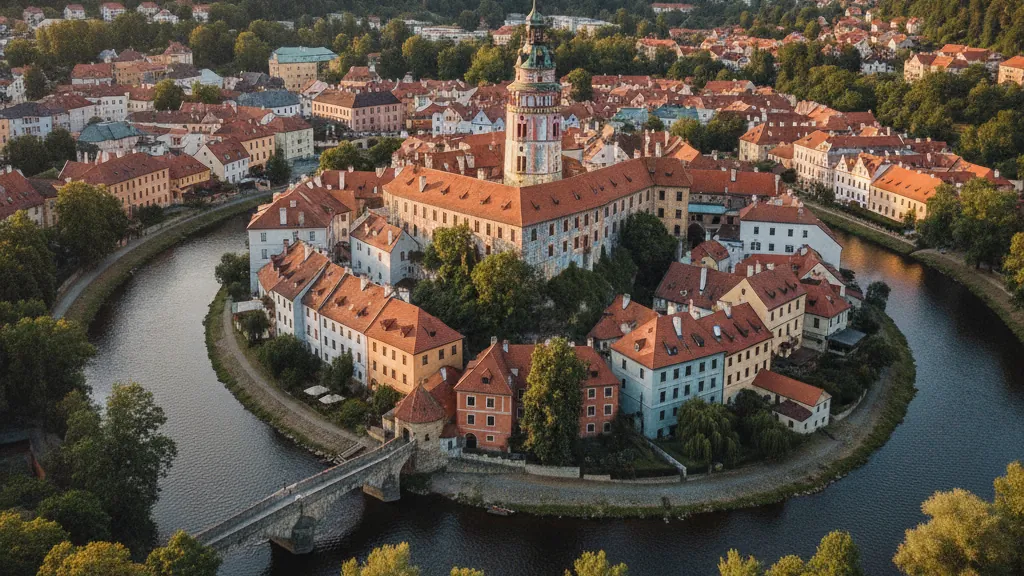
Planning a family trip to Czechia during peak school holidays means accepting certain realities: warmer weather, sizeable crowds at Prague's landmarks, and limited flexibility with timing. For families constrained by the academic calendar, understanding what July, August, Easter and October half-term actually deliver - rather than chasing an idealised 'best time' - makes the difference between frustration and a well-calibrated adventure. Czechia offers fairy-tale castles, medieval old towns and engaging history, but success during these busy windows depends on managing expectations around temperature, rainfall and tourist density.
| Month | Avg high | Avg low | Rainfall | Rainy days |
|---|---|---|---|---|
| January | 3.8°C | -1.6°C | 36.9 mm | 11.1 |
| February | 6.3°C | -1.2°C | 35.4 mm | 8.9 |
| March | 10.1°C | 0.9°C | 38.7 mm | 10.3 |
| April | 14.7°C | 4.4°C | 40.1 mm | 9.3 |
| May | 19.1°C | 9.0°C | 67.8 mm | 12.2 |
| June | 24.3°C | 14.0°C | 74.0 mm | 11.0 |
| July | 25.9°C | 15.7°C | 63.1 mm | 10.8 |
| August | 25.4°C | 15.4°C | 78.7 mm | 10.6 |
| September | 20.8°C | 11.4°C | 51.8 mm | 9.0 |
| October | 15.3°C | 7.3°C | 51.9 mm | 10.4 |
| November | 8.7°C | 2.8°C | 43.0 mm | 9.2 |
| December | 5.3°C | 0.2°C | 45.9 mm | 11.2 |
The Summer Holidays Reality: July and August
July and August represent Czechia's warmest months, with average highs reaching 25.9°C and 25.4°C respectively in Prague. These temperatures sit comfortably below the scorching extremes families encounter in Mediterranean destinations, making daytime sightseeing feasible without overwhelming young children. Rainfall remains moderate - 63.1mm in July and 78.7mm in August - spread across roughly 10-11 rainy days per month, meaning showers tend to be brief rather than day-long washouts. Evenings cool to around 15-16°C, requiring a light layer for late dinners or riverside walks. The challenge lies not in weather but in visitor numbers: Prague Castle, Charles Bridge and Old Town Square see their highest footfall, with queues stretching longest and accommodation prices at peak-season levels. Families travelling during these weeks should book tickets in advance wherever possible and plan major attractions for early morning slots before tour groups arrive.
Easter Week: Variable Weather, Holiday Crowds
Easter falls in late March or April, when Czechia transitions from late winter to early spring. April averages show highs of 14.7°C and lows of 4.4°C, with 40.1mm of rainfall across approximately 9 rainy days. The weather proves less predictable than summer: one day might offer sunshine suitable for castle exploration, the next may require indoor museum visits. Layers become essential, and waterproof jackets belong in every day pack. Tourist numbers surge during the Easter week itself, particularly in Prague's historic centre where spring markets and religious processions draw both international visitors and domestic travellers. Crowd levels approach summer intensity for this brief window, though accommodation costs typically remain below July-August peaks. Families gain the advantage of blossom-filled parks and longer daylight hours compared to winter, but must pack for cool mornings and the realistic possibility of drizzle interrupting outdoor plans.
October Half-Term: Autumn Colour and Cooling Temperatures
October half-term typically falls mid-month, when average highs reach 15.3°C and lows settle around 7.3°C. Rainfall measures 51.9mm across roughly 10 rainy days - similar to autumn averages but less than the wetter summer months. The temperature drop from August becomes noticeable: families require proper jackets, and evenings feel distinctly chilly for outdoor dining. The trade-off comes in reduced crowds compared to summer, though popular Prague attractions still see busy periods during the half-term week itself. Autumn foliage enhances castle visits and countryside excursions, and the cooler air suits active families tackling cobblestone hills without summer heat. Indoor attractions - puppet theatres, interactive museums, thermal spas - gain appeal as comfort stops between outdoor exploration. Schools across Europe break at similar times, so families should not expect empty attractions, but the intensity remains below peak summer levels.
Managing Temperature Extremes with Children
Czechia's landlocked continental climate delivers genuine seasons, and peak holiday periods span a considerable temperature range. July and August bring the warmest conditions at 25-26°C, comfortable for most family activities but warm enough to require sun protection, hydration strategies and midday breaks. Prague's cobblestones and medieval lanes offer limited shade; plan indoor museum visits or riverside park time during the hottest afternoon hours. April sees average highs of just 14.7°C - cool enough that children need fleece layers and windproof outerwear, particularly when visiting exposed castle ramparts or hilltop viewpoints. October half-term sits in between at 15.3°C, requiring similar cool-weather gear. The key lies in layering: mornings start chilly even in summer (15-16°C lows), then warm considerably by midday. Families packing versatile clothing - removable layers, light rain jackets, comfortable walking shoes - adapt more easily to the day's temperature shifts and occasional showers that characterise all four peak periods.
Beating the Crowds During Peak Weeks
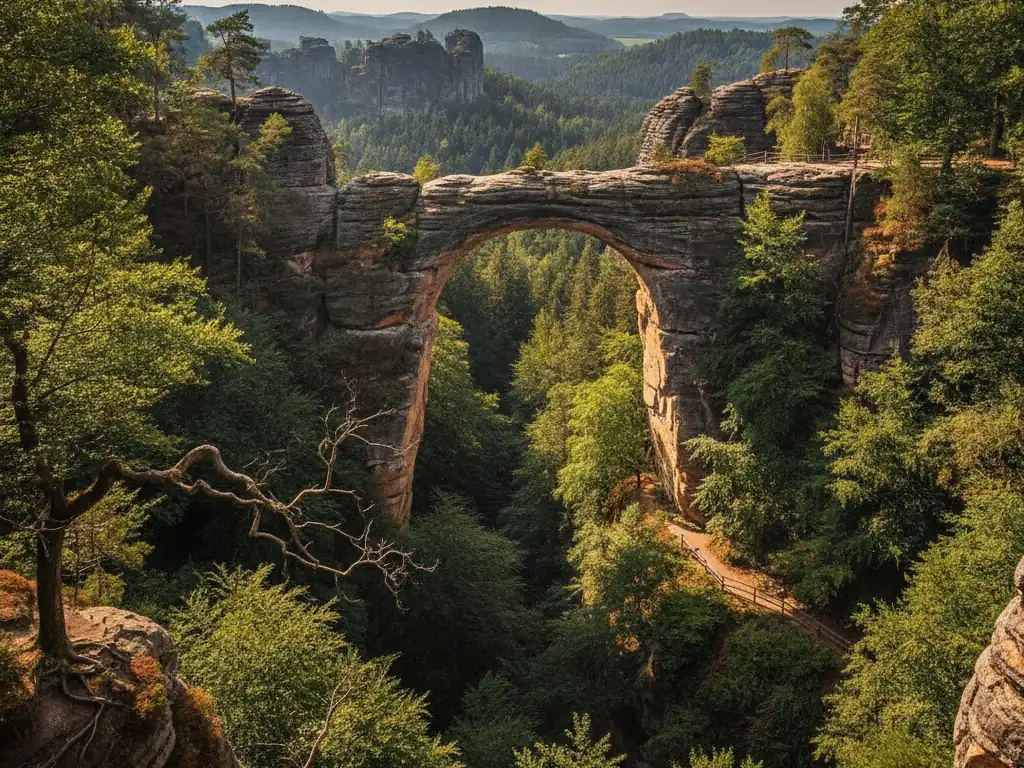
School holiday periods flood Prague's core attractions with visitors, but strategic timing and destination choices mitigate the worst congestion. Arrive at Prague Castle when gates open, typically 9am, to explore courtyards and St Vitus Cathedral before tour buses unload mid-morning. Charles Bridge sees photographer-friendly light and thinner crowds before 8am; families with early risers gain the best experience. Consider day trips to less-trampled destinations: Kutná Hora's bone chapel and medieval centre, Český Krumlov's castle complex, or the Bohemian Switzerland national park all absorb visitors more comfortably than Prague's old town. July and August see the highest domestic and international tourist numbers; Easter and October half-term remain busy but slightly less intense. Book accommodation and major tickets weeks ahead for summer holidays, and maintain flexibility with daily itineraries - if Prague's crowds feel overwhelming, shift castle visits to regional towns where queues stay manageable even during peak weeks.
Booking Strategy for Constrained Dates
Families locked into school holiday dates face limited leverage on timing but can still optimise other variables. Secure accommodation as early as booking windows open - particularly for July and August, when central Prague hotels and apartments fill months ahead. Consider staying in residential neighbourhoods like Vinohrady or Žižkov rather than Old Town; you'll gain lower prices, larger rooms and authentic local life, with reliable tram connections delivering you to tourist zones in 15 minutes. Pre-book major attractions where possible: Prague Castle, astronomical clock tower access, and popular day-trip destinations offer timed-entry tickets that let families skip queues. For rail travel between Czech cities, advance purchase brings significant savings and guaranteed seating on busy holiday routes. Accept that peak-season pricing applies across accommodation, but restaurant and supermarket costs remain consistent year-round. The one element families cannot negotiate is crowd density, making early-morning starts and alternative destinations your most valuable tactics.
Which Peak Holiday Month Is Least Painful?
No peak school holiday period offers empty attractions or bargain accommodation, but October half-term edges ahead for families seeking a balance between manageable conditions and reduced intensity. August delivers the most reliable warmth at 25.4°C but also the highest rainfall at 78.7mm and sustained tourist pressure through the entire month. July runs slightly warmer and drier but equally busy. Easter brings unpredictable weather - 14.7°C average highs and genuine risk of chilly rain - alongside concentrated holiday crowds during one specific week. October half-term provides 15.3°C temperatures, moderate rainfall at 51.9mm, autumn colour, and marginally lower visitor numbers than summer. The cooler conditions suit active sightseeing better than hot July days, and accommodation costs typically sit below peak summer rates. Families who pack for cool weather and accept shorter daylight hours find October half-term delivers Prague's attractions and Czech culture without quite the intensity of summer holidays, though crowds remain present during the half-term week itself.
FAQ
What should families pack for visiting Prague and Czechia during August school holidays?
Pack for warm days and cool evenings: lightweight breathable clothing for 25-26°C daytime temperatures, a light jacket or fleece for 15°C evenings, comfortable walking shoes for cobblestones, sun hats and sunscreen, and a compact rain jacket since August sees around 79mm rainfall across roughly 11 days. Include day packs for water bottles and layers removed during midday heat.
How can families with young children manage the crowds at Prague Castle during July and August?
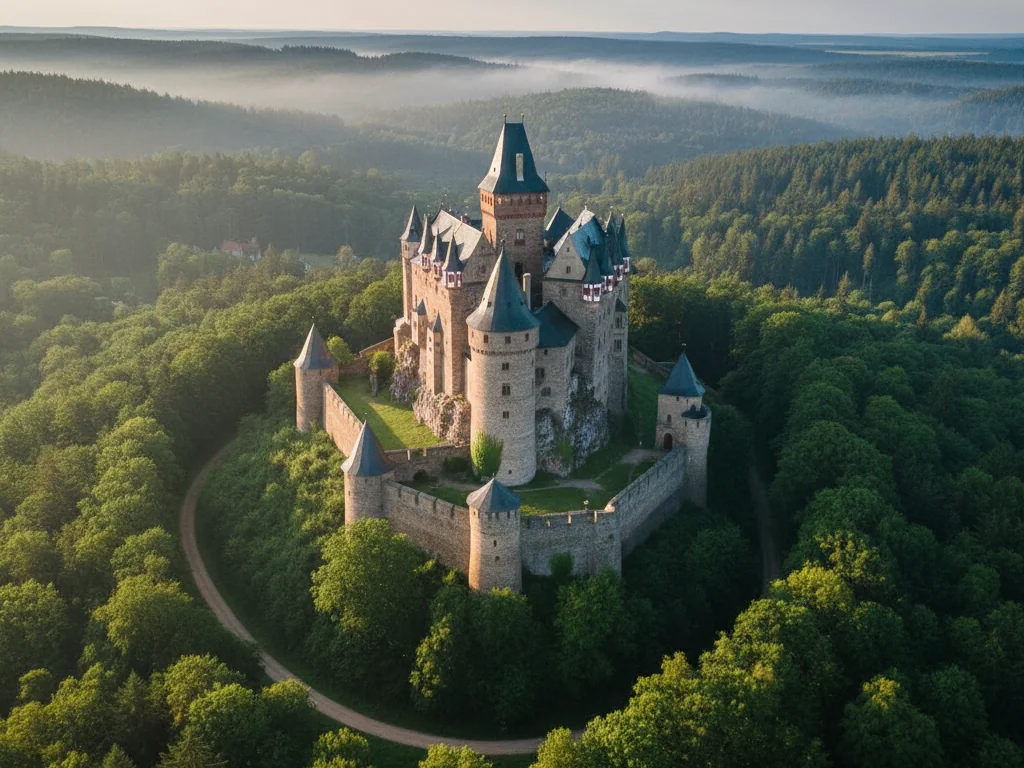
Arrive when the complex opens at 9am, prioritise St Vitus Cathedral and Golden Lane before mid-morning tour groups arrive, book timed-entry tickets online in advance, and consider visiting on weekday mornings rather than weekends. Alternatively, explore impressive but less-crowded castles like Karlštejn or Konopiště as day trips, where children can roam more freely without overwhelming visitor density.
Is Easter week a good time to visit Czechia with kids despite the cooler weather?
Easter offers acceptable conditions if families pack appropriately for 14-15°C temperatures and possible rain, with the advantage of spring atmosphere and Easter markets. However, crowds surge during the specific Easter week, and unpredictable weather means building flexibility into daily plans with indoor alternatives ready. October half-term delivers similar temperatures with slightly more stable conditions and marginally lower tourist intensity.
Which areas of Czechia work best for families trying to avoid peak summer holiday crowds?
Focus on regional towns and natural areas that absorb visitors more comfortably: the Bohemian Paradise (Český ráj) for hiking and rock formations, South Bohemian castle routes around Třeboň and Jindřichův Hradec, Olomouc's baroque squares with far fewer tourists than Prague, and Moravian wine regions offering family-friendly cycling routes. These destinations provide authentic Czech experiences without the concentrated crowds that overwhelm Prague's core during July and August.
Weather data: open-meteo (ERA5 reanalysis, 2014-2023 averages). Reviewed and updated periodically.