Best Time to Visit Italy with Kids
Italy is a glorious jumble of contradictions for families: eye-watering culture and cheap pizza, Renaissance frescoes and gelato shops every fifty paces, ancient ruins that somehow survive millions of small sticky fingers each year. Choosing when to visit matters more than you might think, because the difference between a magical family holiday and a sweaty death-march through the Uffizi often comes down to the calendar. Some links may earn us a small commission, at no cost to you.
| Month | Avg high | Avg low | Rainfall | Rainy days |
|---|---|---|---|---|
| January | 12.1°C | 3.9°C | 76.8 mm | 10.4 |
| February | 14.0°C | 5.2°C | 78.6 mm | 9.0 |
| March | 16.1°C | 6.1°C | 85.9 mm | 10.4 |
| April | 19.2°C | 8.9°C | 62.8 mm | 9.5 |
| May | 23.1°C | 13.0°C | 71.6 mm | 11.5 |
| June | 28.8°C | 17.5°C | 41.8 mm | 5.6 |
| July | 32.2°C | 20.7°C | 21.0 mm | 4.6 |
| August | 31.9°C | 20.8°C | 26.8 mm | 4.4 |
| September | 27.0°C | 17.2°C | 81.2 mm | 8.6 |
| October | 22.4°C | 13.5°C | 93.0 mm | 10.4 |
| November | 17.2°C | 9.7°C | 157.8 mm | 13.9 |
| December | 13.6°C | 5.6°C | 93.7 mm | 9.5 |
The Sweet Spot: April-May and September-Early October
For most families, the shoulder seasons of spring and early autumn deliver the best balance of mild weather, manageable crowds, and reasonable accommodation costs. April through May in Italy offers highs between 19°C and 23°C with lows from around 9°C to 13°C, warm enough for comfortable sightseeing without the brutal midday heat that turns children into limp, grumpy noodles. Rainfall averages 63-72 millimetres across these months with roughly nine to twelve rainy days, so pack a light jacket and accept the occasional shower. September into early October mirrors this pattern beautifully: temperatures range from 22°C to 27°C during the day, dropping to 13-17°C at night, while rainfall ticks up slightly in September with around 81 millimetres and nine rainy days. The Mediterranean stays warm enough for swimming well into October, Italian families return to school after the August exodus, and suddenly you can book a table without a three-week wait. These months hit the family travel trifecta of pleasant weather, thinner crowds, and lower-season pricing, making them ideal for balancing museums, outdoor time, and those leisurely lunches that make Italy special.
Month-by-Month Breakdown
Understanding what each month brings helps you weigh trade-offs between weather, crowds, and school-holiday timing. Here is how the calendar shakes out for families visiting Italy.
- January-February: Winter in Italy is cool and damp, with daytime highs of 12-14°C and lows around 4-5°C. Rainfall sits near 77-79 millimetres with nine to ten rainy days. Cities are quiet, prices drop, and you will have museums nearly to yourselves, but short daylight hours and chilly drizzle limit outdoor fun. Best for older children genuinely interested in art and history, less ideal for toddlers who need playgrounds.
- March: Early spring brings 16°C highs and 6°C lows, with rainfall climbing to 86 millimetres across ten rainy days. Weather remains unpredictable - lovely sunshine one day, grey downpours the next. Easter holidays can land here, bringing European school groups and higher prices during that fortnight, but outside Easter week, March stays relatively calm and affordable.
- April: This is when Italy begins to shine for families. Temperatures reach a comfortable 19°C during the day and drop to 9°C at night, while rainfall eases to 63 millimetres over about ten days. Gardens bloom, outdoor cafes open, and children can run around ruins without overheating. Prices and crowds remain reasonable outside the Easter window.
- May: Late spring delivers 23°C days and 13°C nights with roughly 72 millimetres of rain across twelve days. Conditions are nearly perfect for family sightseeing - warm but not oppressive, long daylight hours, and Italy at its greenest. Half-term holidays bring British families in the last week, nudging crowds upward briefly.
- June: Summer arrives properly with 29°C highs, 18°C lows, and rainfall dropping to just 42 millimetres over six rainy days. Beaches become appealing, outdoor evening activities are comfortable, and school has not yet finished in Italy itself, so domestic tourism stays moderate until the final week. Weather is reliably warm and dry, though southern cities begin to feel hot by mid-afternoon.
- July-August: Peak summer brings serious heat: 32°C daytime highs, 21°C nights, and minimal rainfall around 21-27 millimetres across four to five rainy days. Italy floods with tourists, prices hit their apex, and by early August, Italian families decamp to the coast for Ferragosto, leaving some cities eerily quiet while beach resorts heave. Southern regions become punishingly hot for sightseeing with small children. If school holidays tie your hands, focus on northern lakes or mountains where temperatures stay bearable, plan indoor activities during midday heat, and book months ahead.
- September: Early autumn remains warm at 27°C with 17°C lows, though rainfall increases to 81 millimetres over nine days. The post-summer lull after Italian schools restart makes this a brilliant time for families - beaches stay swimmable, cities empty out, and the light turns golden for photographs. Crowds and costs ease considerably after the first week.
- October: Temperatures cool to 22°C during the day and 14°C at night, with rainfall climbing to 93 millimetres across ten rainy days. Early October retains much of September's appeal, but by month's end, shorter days and wetter weather begin curtailing outdoor plans. Half-term visitors arrive for the final week, creating a brief spike in demand.
- November-December: Autumn slides into winter with highs of 13-17°C, lows of 6-10°C, and heavy rainfall peaking at 158 millimetres in November across fourteen rainy days. Cities look beautiful in the run-up to Christmas, markets appear, and prices drop sharply outside the festive fortnight, but damp, grey weather limits appeal for families with young children. December rainfall eases to 94 millimetres over ten days, though cold and wet conditions persist.
School Holidays vs Shoulder Season: The Eternal Trade-Off
British families face the familiar dilemma of term-time fines versus peak-season mayhem. Visiting Italy during school holidays in July, August, or Easter week means competing with the entire European continent for hotel rooms, restaurant tables, and breathing space in the Colosseum, while paying premium rates for the privilege. On the other hand, pulling children from school for a week in May or late September delivers sunshine, smaller crowds, and gentler prices, along with valuable cultural education that no classroom worksheet can match. The decision ultimately rests on your children's ages, their school's stance on absence, and your tolerance for crowds. For families with pre-school children or understanding heads, shoulder-season Italy is a revelation. For those bound by term dates, focus on northern regions during summer heat, book everything early, and embrace aperitivo hour when temperatures finally become bearable.
Weather by Season: What to Expect
Italy spans roughly ten degrees of latitude, so weather varies considerably from the Alps to Sicily, but Rome's central position offers a reasonable proxy for planning. Winter from December through February brings cool, wet conditions with daytime temperatures of 12-14°C, regular rain, and short daylight hours, making it best suited to city breaks focused on indoor attractions and Christmas markets. Spring from March through May warms gradually from 16°C to 23°C, with rainfall remaining moderate and conditions improving steadily as the season progresses, ideal for varied sightseeing and outdoor exploration. Summer from June through August delivers hot, dry weather with temperatures reaching 29-32°C and minimal rain, perfect for beaches and lakes but challenging for intensive city touring with young children. Autumn from September through November begins warm and pleasant at 27°C in September before cooling to 17°C by November, with rainfall increasing steadily through the season, offering excellent early-autumn conditions that gradually yield to winter damp. Regional variations matter: northern Italy stays cooler and wetter, the south hotter and drier, coastal areas milder than inland cities, so adjust expectations accordingly.
What to Pack for Italy with Kids
Italian families dress their children beautifully, which can make British parents feel slightly scruffy, but comfort trumps fashion when you are walking ten miles a day through cobbled streets. For spring and autumn visits during shoulder season, pack layers - light jumpers, a waterproof jacket, and long trousers alongside T-shirts and shorts, because mornings start cool while afternoons warm up nicely. A compact umbrella lives in your day bag. Summer travel requires sun hats, high-factor sunscreen, and light cotton clothing, plus a sun-protective rashguard if you plan beach days. Comfortable walking shoes are non-negotiable; Italy is murder on feet, and poorly-shod children make everyone miserable. Bring a refillable water bottle for each child - Italian cities offer excellent free drinking fountains called nasoni. A small first-aid kit with plasters, antihistamines, and rehydration sachets proves useful. Finally, pack a portable high-chair harness for younger children, as Italian restaurants rarely provide highchairs and expect bambini to sit at proper tables like civilized humans. One cultural note: Italians keep children covered up more than we do - bare shoulders and shorts inside churches will get you politely turned away, so pack a light scarf or cardigan even in summer.
Crowds and Costs Throughout the Year
Tourism in Italy follows a predictable rhythm that dramatically affects your experience. Peak season from mid-June through August and the Christmas-New Year fortnight brings maximum crowds and premium pricing for accommodation, with popular destinations becoming genuinely unpleasant as visitor numbers overwhelm infrastructure. Easter week creates a similar spike regardless of when it falls. Shoulder seasons in April, May, September, and early October offer the best value, with lighter crowds, more availability, and moderate pricing that rewards flexible travelers. Low season from November through March sees the quietest conditions and lowest costs outside the Christmas bubble, though weather limitations reduce appeal for families. Italian school holidays matter as much as international tourism - avoid Ferragosto in mid-August when domestic tourists flood coastal resorts, and note that Italian families often book Easter and summer accommodation a year ahead. Planning around these patterns means the difference between fighting for space and having breathing room to enjoy your holiday properly.
FAQ
What is the best month to visit Italy with young children who tire easily in heat?
May and September are your best bets. May offers daytime temperatures around 23°C with lows of 13°C, warm enough for comfortable outdoor exploration without the exhausting heat that flattens small children by lunchtime. September delivers similar conditions at 27°C during the day and 17°C at night, with the added advantage of warm sea temperatures for beach breaks. Both months provide long daylight hours for sightseeing and generally reliable weather, though you should pack for occasional rain.
Is it worth visiting Italy with kids during August despite the heat and crowds?
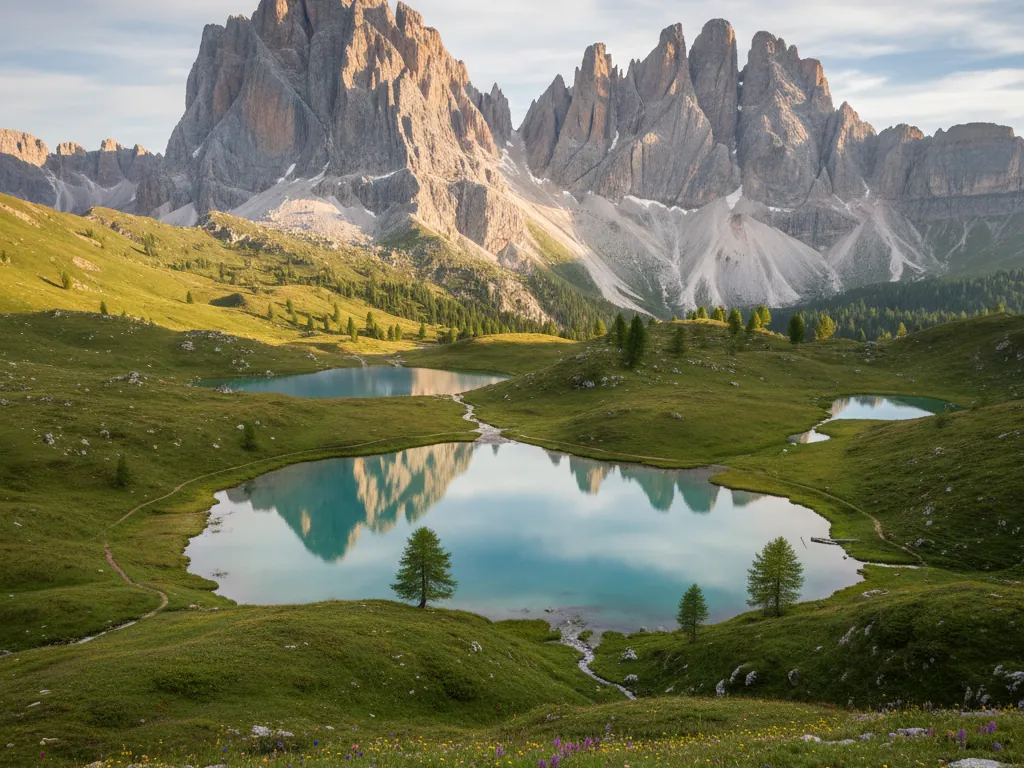
It depends entirely on where you go and what you can tolerate. Major cities like Rome and Florence become punishingly hot - 32°C days are standard - and heavily crowded with tourists, making intensive sightseeing with children genuinely difficult. However, northern regions such as the Italian Lakes or the Dolomites offer much cooler conditions and spectacular scenery, while coastal areas provide beach-focused holidays where heat becomes an asset rather than a burden. If August is your only option, plan indoor activities during the midday hours, book accommodation with air conditioning and a pool, and lower your expectations for covering multiple museums daily.
How much rain should we expect if we visit Italy with children in October half-term?
October in Italy sees an average of 93 millimetres of rainfall spread across roughly ten rainy days, meaning you will likely encounter some wet weather during a week-long visit. Early October tends to be drier and warmer than late October, with daytime highs around 22°C and lows of 14°C, still very pleasant for sightseeing. Rain typically arrives as short, sharp showers rather than all-day drizzle, so pack waterproofs and plan some indoor alternatives - Italian museums, covered markets, and pasta-making classes work beautifully on wet afternoons. The trade-off for occasional rain is far fewer crowds and lower prices than summer, which many families find worthwhile.
Can we swim in the sea in Italy during May or September with kids?
September is generally better for swimming than May, though both are possible depending on location and your children's tolerance for cooler water. By late May, southern beaches and the Adriatic coast warm up enough for most children to enjoy the sea, especially on sunny days, though water temperatures remain refreshing rather than bath-warm. September offers considerably warmer sea temperatures after a full summer of heating, with conditions remaining comfortable for swimming well into early October along most Italian coastlines. Northern beaches and the Ligurian Sea stay cooler throughout the year, so focus on southern regions or the Adriatic if swimming is a priority during shoulder-season visits.
Weather data: open-meteo (ERA5 reanalysis, 2014-2023 averages). Reviewed and updated periodically.