Visiting France with Kids in the School Holidays
France ranks among Europe's most family-friendly destinations, but visiting during school holidays means navigating peak-season realities that off-peak travellers avoid entirely. Families constrained by term dates face higher costs, larger crowds at major attractions, and weather that ranges from pleasant to intensely hot depending on which break you choose. Understanding the specific conditions during July, August, Easter and October half-term helps families prepare properly and set realistic expectations for trips when flexibility simply isn't an option.
| Month | Avg high | Avg low | Rainfall | Rainy days |
|---|---|---|---|---|
| January | 7.5°C | 2.2°C | 63.7 mm | 13.6 |
| February | 9.4°C | 2.3°C | 51.6 mm | 11.0 |
| March | 12.4°C | 3.9°C | 63.5 mm | 12.0 |
| April | 15.7°C | 5.7°C | 46.8 mm | 9.6 |
| May | 19.0°C | 9.4°C | 73.2 mm | 12.3 |
| June | 23.4°C | 13.7°C | 66.9 mm | 11.2 |
| July | 25.4°C | 15.5°C | 51.5 mm | 9.0 |
| August | 24.9°C | 15.1°C | 63.0 mm | 10.1 |
| September | 22.0°C | 12.5°C | 49.0 mm | 7.5 |
| October | 17.1°C | 9.6°C | 65.2 mm | 12.1 |
| November | 11.5°C | 5.7°C | 63.3 mm | 12.0 |
| December | 8.6°C | 3.5°C | 76.8 mm | 13.4 |
The Summer Holidays Reality: July and August
July and August represent peak season across France, when both domestic French families and international visitors converge on beaches, theme parks and cultural sites. July in Paris sees average highs of 25.4°C and lows of 15.5°C, with 51.5 mm of rainfall spread across nine days - warm and generally dry conditions ideal for outdoor sightseeing. August remains similarly warm at 24.9°C highs and 15.1°C lows, though rainfall increases slightly to 63.0 mm over ten days. These comfortable temperatures suit family activities well, but crowds at the Eiffel Tower, Louvre and Versailles reach their annual peak, with queue times extending to several hours at popular times of day. Coastal regions including Brittany, Normandy and the Mediterranean see even warmer conditions and significantly higher visitor numbers, with beaches, campsites and family restaurants operating at full capacity. Booking accommodation and activities months in advance becomes essential rather than optional, and spontaneous plans rarely succeed during these weeks.
Easter: Cooler Weather and Shorter Queues
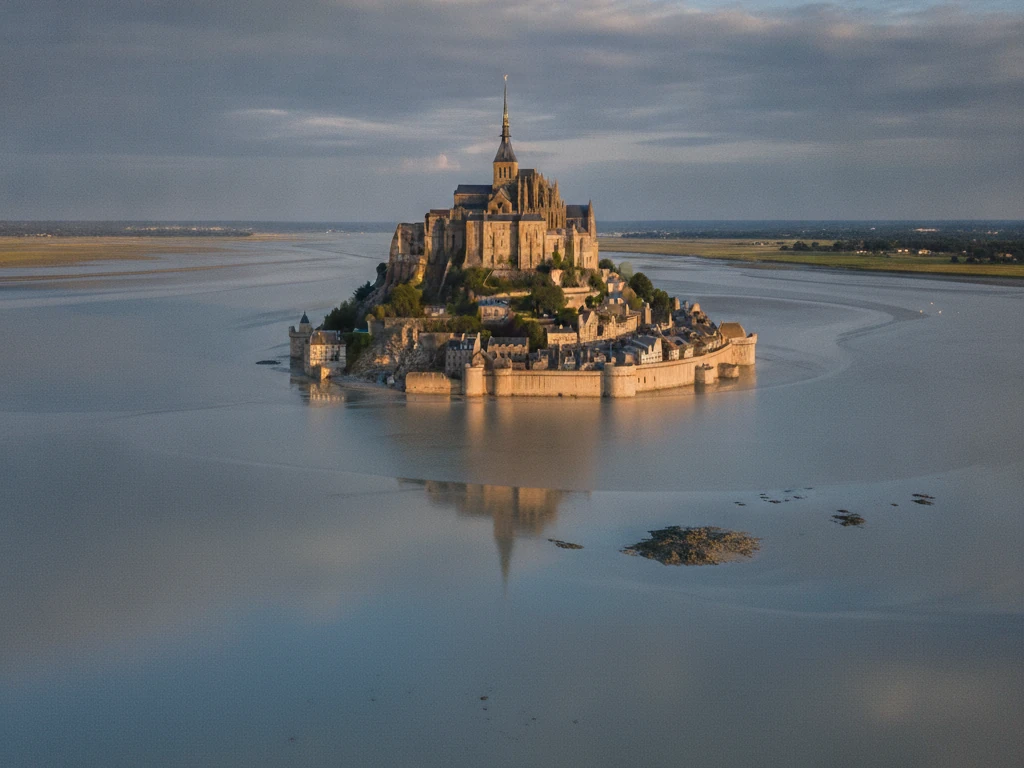
Easter falls in late March or April, bringing cooler but generally manageable conditions for families who layer clothing appropriately. April in Paris averages 15.7°C during the day and 5.7°C at night, with 46.8 mm of rain across roughly ten days - the lowest rainfall of any school holiday period. March shows similar rainfall at 63.5 mm over twelve days, with daytime highs around 12.4°C and night-time lows of 3.9°C. These temperatures suit city sightseeing and museum visits better than beach holidays, though northern coastal regions remain quite chilly for outdoor activities. Crowds prove noticeably lighter than summer, with major Paris attractions experiencing moderate rather than overwhelming visitor numbers. Theme parks including Disneyland Paris operate on extended hours for the Easter period but without the intense heat and queues that characterise summer visits. Families willing to pack warmer layers and waterproof jackets gain the advantage of shorter wait times and more breathing room at indoor and outdoor sites alike.
October Half-Term: Autumn Conditions
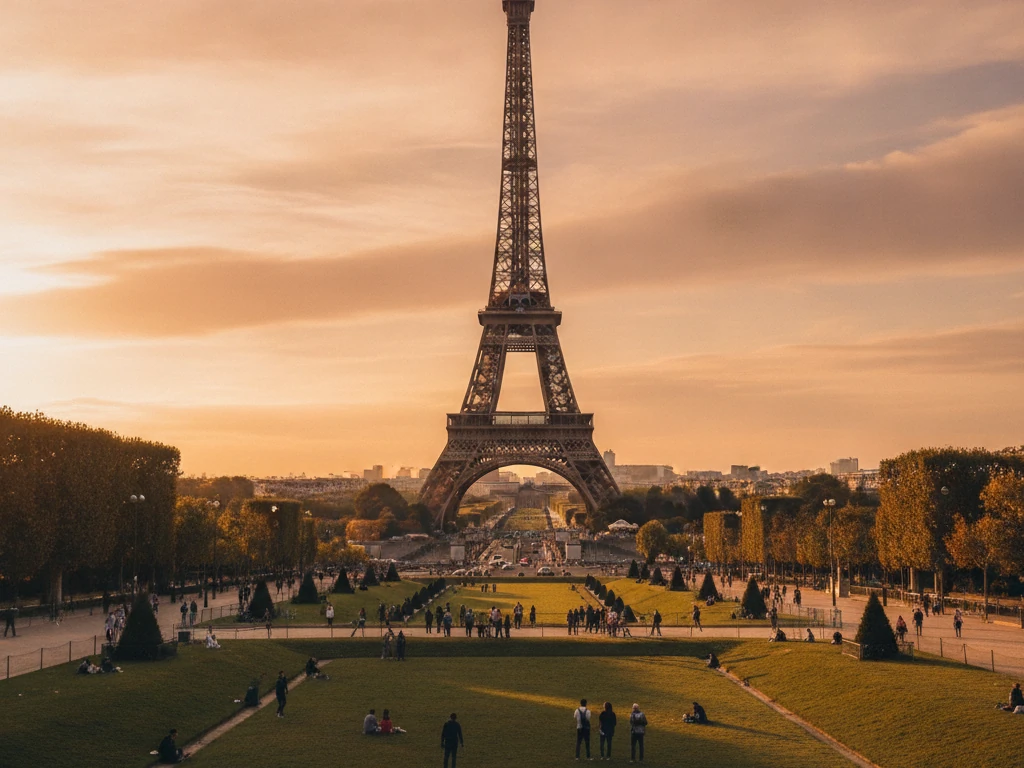
The October half-term typically falls in the final week of October, when autumn firmly establishes itself across France. Paris experiences average highs of 17.1°C and lows of 9.6°C, with 65.2 mm of rainfall over approximately twelve days - the wettest conditions of any school holiday period. Days grow noticeably shorter, with early sunsets limiting afternoon activities, and the probability of encountering rain increases compared to summer or Easter breaks. However, crowds thin considerably as the peak tourist season ends, making October half-term attractive for families prioritising calm museums, uncrowded monuments and relaxed dining experiences. Paris and other cities remain excellent choices, with indoor attractions like museums, galleries and covered markets providing weather-proof options when rain arrives. Beach holidays become impractical as coastal temperatures drop and many seaside facilities close for the season, but rural regions offering autumn markets, harvest festivals and woodland walks suit families comfortable with cooler, damper conditions.
Managing Heat and Sun Exposure with Children
July and August temperatures across France create genuine heat-management challenges for families with young children who tire quickly in warm conditions. Paris temperatures reaching 25.4°C in July and 24.9°C in August feel considerably hotter in direct sun, particularly at exposed sites like the Eiffel Tower, palace gardens and riverside walks. Southern regions including Provence and the Côte d'Azur experience significantly higher temperatures than the Paris figures indicate, often exceeding 30°C during peak afternoon hours. Families travelling during summer holidays should plan major outdoor activities for morning hours before 11am, seek shaded or air-conditioned locations during midday heat, and reserve late afternoons for parks, playgrounds and lighter activities. High-factor sun cream, wide-brimmed hats and refillable water bottles become essential packing items rather than optional extras. Indoor attractions including the Louvre, Musée d'Orsay, Cité des Sciences and aquariums provide welcome air-conditioned relief during the hottest parts of summer days.
Beating the Crowds During Peak Periods
School holiday crowds at major French attractions require strategic planning rather than hoping for the best upon arrival. Pre-booking timed entry tickets for the Eiffel Tower, Louvre, Versailles and other major sites proves essential during July and August, when same-day tickets often sell out entirely or require waits exceeding three hours. Arriving at opening time - typically 9am or 9:30am - provides the calmest experience before tour groups and later visitors arrive mid-morning. Lesser-known museums, neighbourhood markets and local parks offer family-friendly alternatives without the overwhelming crowds that characterise headline attractions during peak periods. Easter and October half-term see noticeably lighter visitor numbers, though popular sites still benefit from advance booking and early arrival strategies. Families visiting Paris during summer holidays should consider timing major tourist activities for weekday mornings, reserving weekend days for neighbourhood exploration, parks and local experiences where crowds prove less concentrated.
Booking Strategy for School Holiday Travel
Accommodation and transport costs increase significantly during school holidays, with properties in popular regions commanding premium rates and availability shrinking as departure dates approach. Families should aim to book flights, trains and accommodation at least three to four months ahead for July and August travel, when the best-value options disappear quickly. Easter and October half-term offer slightly more last-minute flexibility, though waiting until a few weeks before departure still results in noticeably higher prices and reduced choice. Self-catering apartments and holiday rentals suit families better than hotels for longer stays, providing kitchen facilities, washing machines and living space that make daily life with children considerably easier. Comparing prices across different school holiday periods reveals that Easter and October half-term typically cost less than summer holidays, though the difference varies by region and specific dates. Travel insurance becomes particularly important during school holidays when non-refundable bookings represent significant financial commitments and childhood illnesses can derail plans at short notice.
Which Peak Holiday Period Proves Least Challenging?
No school holiday period offers the ideal combination of perfect weather, minimal crowds and lower costs, but each presents different trade-offs that suit different family priorities. July and August deliver the warmest, driest conditions with temperatures of 24.9-25.4°C and moderate rainfall of 51.5-63.0 mm, but crowds reach their annual peak and costs rise to their highest levels. Easter brings cooler temperatures around 12.4-15.7°C depending on timing, with the lightest rainfall at 46.8-63.5 mm and noticeably smaller crowds than summer, though beach holidays become impractical and warmer clothing proves necessary. October half-term offers the quietest major attractions and relatively mild temperatures of 17.1°C, but faces the highest rainfall at 65.2 mm across twelve days and significantly shorter daylight hours. Families prioritising comfortable weather for outdoor activities and beach time should accept summer crowds as inevitable, while those valuing calm museums and uncrowded monuments will find Easter or October half-term more rewarding despite less predictable weather conditions.
FAQ
What should families pack for visiting France during the summer school holidays in July and August?
Pack lightweight breathable clothing, high-factor sun protection, wide-brimmed hats and refillable water bottles for temperatures reaching 24.9-25.4°C. Include one light jumper for air-conditioned museums and cooler evenings around 15°C, plus a compact rain jacket as July sees 51.5 mm of rain over nine days and August sees 63.0 mm over ten days, though showers typically remain brief and light.
How far in advance do families need to book accommodation for France during school holidays?
Book three to four months ahead for July and August when demand peaks and the best-value options disappear quickly, particularly in coastal regions and Paris. Easter and October half-term allow slightly more flexibility, though booking at least six to eight weeks ahead still secures better availability and pricing than last-minute arrangements made a few weeks before departure.
Is it worth visiting French beaches with children during October half-term?
October beach holidays prove impractical as temperatures drop to 17.1°C highs with 9.6°C nights, rainfall increases to 65.2 mm over twelve days, and many coastal facilities close for the season. Families seeking beach time should choose July or August despite the crowds, while October half-term suits city breaks, museum visits and autumn countryside experiences instead.
Which school holiday period offers the best chance of avoiding crowds at major Paris attractions with kids?
October half-term delivers the lightest crowds at major attractions as peak tourist season ends, though families face wetter conditions with 65.2 mm of rainfall and shorter days. Easter provides a middle ground with moderate visitor numbers, cooler temperatures of 15.7°C and lower rainfall at 46.8 mm, making it the best compromise for families wanting manageable crowds without October's weather challenges.
Weather data: open-meteo (ERA5 reanalysis, 2014-2023 averages). Reviewed and updated periodically.