Visiting Indonesia with Kids in the School Holidays

Indonesia is a spectacular family destination, but school holiday timing presents specific climate and crowd considerations. The major UK and European school breaks - July, August, Easter (late March/early April), and October half-term - each offer different conditions across this vast archipelago. Understanding what to expect during these fixed-date periods helps families prepare properly, from packing strategies to activity planning. This guide examines the reality of visiting Indonesia during peak school holidays, when flexibility isn't an option and families must work with the dates the calendar provides.
| Month | Avg high | Avg low | Rainfall | Rainy days |
|---|---|---|---|---|
| January | 26.7°C | 21.9°C | 352.8 mm | 28.2 |
| February | 26.7°C | 21.8°C | 382.2 mm | 26.9 |
| March | 27.1°C | 21.8°C | 326.5 mm | 28.1 |
| April | 26.9°C | 21.8°C | 218.6 mm | 24.7 |
| May | 26.7°C | 21.6°C | 127.8 mm | 19.8 |
| June | 25.8°C | 20.9°C | 131.9 mm | 19.3 |
| July | 24.8°C | 20.1°C | 150.7 mm | 21.9 |
| August | 25.1°C | 19.8°C | 139.3 mm | 19.5 |
| September | 26.1°C | 20.2°C | 121.5 mm | 18.2 |
| October | 27.3°C | 21.0°C | 159.2 mm | 20.0 |
| November | 27.3°C | 21.7°C | 298.9 mm | 26.9 |
| December | 26.9°C | 21.9°C | 373.7 mm | 28.9 |
The Summer Holidays Reality: July and August
July and August fall squarely within Indonesia's dry season, making them objectively suitable months for family travel despite the crowds. In Bali, July sees average highs of 24.8°C and lows of 20.1°C, with 150.7mm of rainfall spread across approximately 22 rainy days. August is similarly dry with 25.1°C highs, 19.8°C lows, and 139.3mm of rain over about 20 days. These are actually the coolest months of the year in Indonesia, with comfortable temperatures ideal for children who struggle with extreme heat. The dry season means fewer weather disruptions to planned activities, and humidity levels are generally lower than during the wet season. However, these months represent absolute peak tourism season - not just for international families but also for domestic Indonesian holidaymakers and Australian school break travellers. Accommodation prices reach their annual maximum, popular beaches become congested, and attractions like Ubud's Sacred Monkey Forest or the Gili Islands ferry services operate at full capacity. Families travelling during July or August should expect Indonesia to be hot, dry, and extremely busy, requiring advance booking for everything from hotels to restaurant tables.
Easter Break Conditions
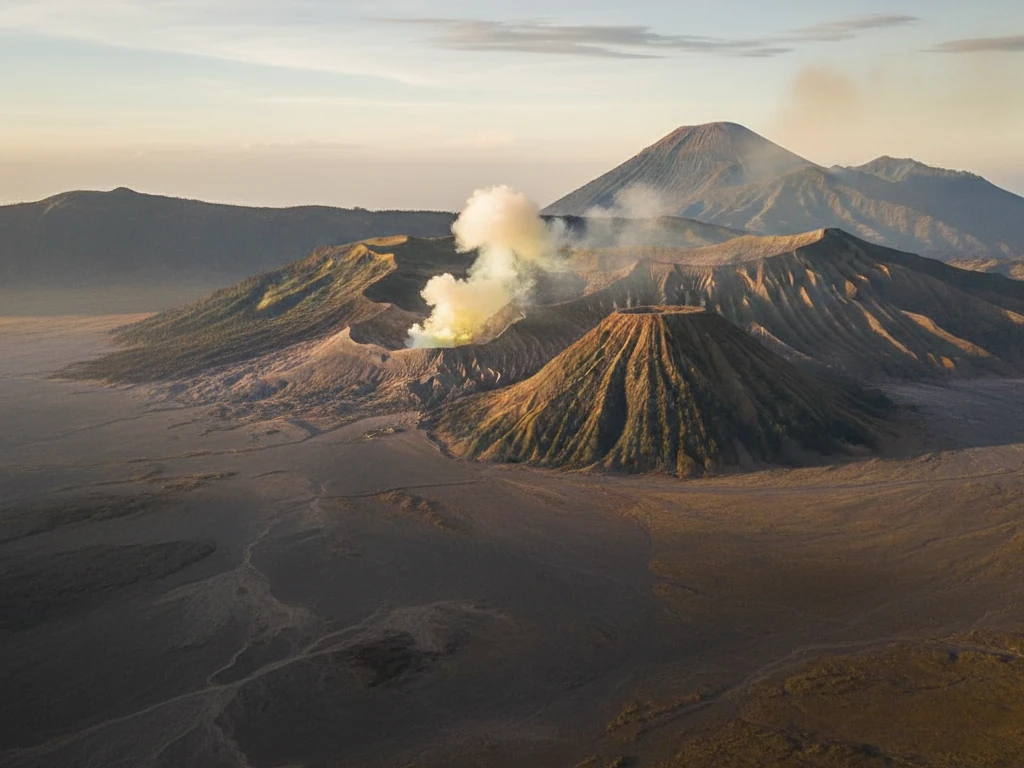
Easter falls in late March or early April, positioning families right at the tail end of Indonesia's wet season. March shows average highs of 27.1°C and lows of 21.8°C, with substantial rainfall at 326.5mm across 28 rainy days. April begins the transition toward drier weather with 26.9°C highs, 21.8°C lows, and reduced rainfall of 218.6mm over approximately 25 days. Easter represents a shoulder period for crowds - busier than the truly quiet months but not as overwhelmed as July and August. The wet season conditions mean families should prepare for afternoon thunderstorms and occasional all-day rain, though mornings often remain clear. Activities like temple visits, rice terrace walks, and snorkelling can still proceed, but flexibility becomes essential. Waterproof gear for every family member is non-negotiable, and backup indoor activities should feature in any itinerary. The advantage is genuinely lower prices and smaller crowds at major attractions, with temperatures that remain warm enough for swimming even when skies cloud over.
October Half-Term Weather
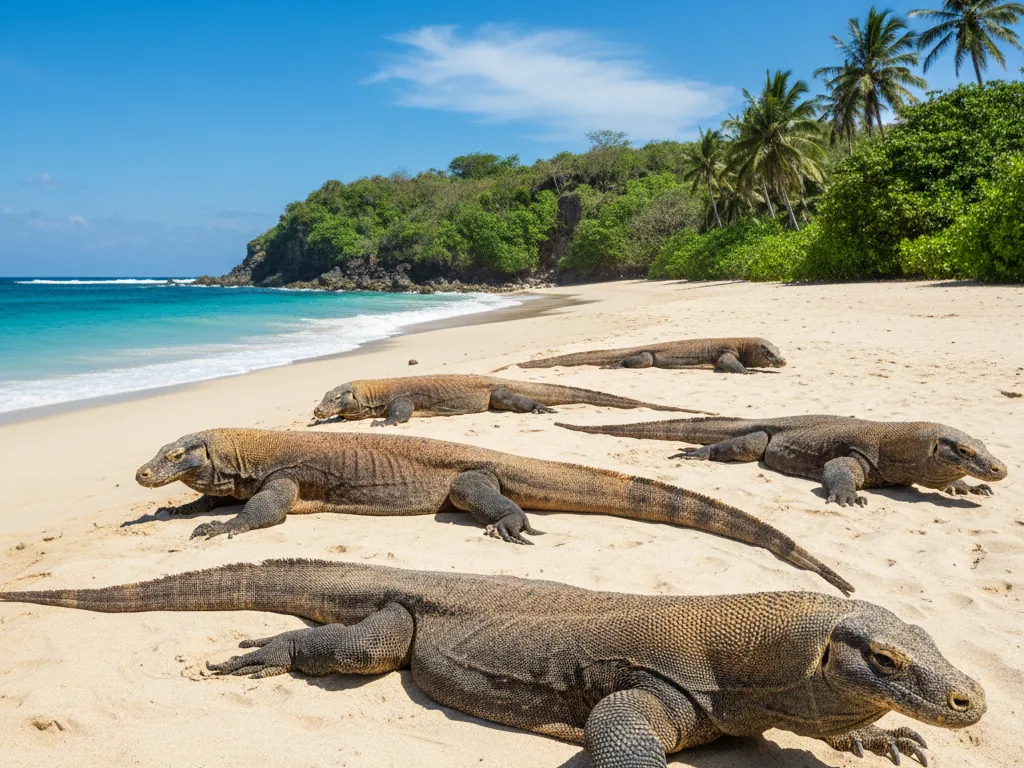
October half-term sits awkwardly between seasons, with Indonesia transitioning from dry to wet conditions. The month records average highs of 27.3°C and lows of 21.0°C, with 159.2mm of rainfall across 20 rainy days. This represents noticeably more precipitation than the core dry season months but significantly less than the wettest periods. October offers warmer temperatures than July or August, which suits beach-focused families but may feel less comfortable for jungle trekking or extensive outdoor touring with children. Crowd levels during October half-term fall between Easter and summer - noticeably busier than the truly quiet months but not quite reaching the July-August peak. The weather pattern typically delivers sunny mornings with increasing cloud and rain likelihood as afternoon progresses. Families can generally plan morning activities with confidence, while afternoons might require poolside relaxation or indoor museum visits. Packing for October means bringing both sun protection and rain gear, with quick-dry clothing particularly valuable for changeable conditions.
Managing Heat and Humidity with Children
Even during the coolest months, Indonesia presents tropical conditions that require specific strategies for child comfort. Temperatures in Indonesia during school holidays range from 24.8°C to 27.3°C for daytime highs, with overnight lows between 19.8°C and 21.8°C - warm enough that lightweight clothing and sun protection matter year-round. Scheduling activities for early morning or late afternoon helps avoid the strongest midday sun, particularly important for young children and babies. Frequent hydration stops become part of the daily rhythm rather than an afterthought, and many families find that building in a midday pool or rest break prevents late-afternoon meltdowns. Loose, breathable cotton clothing works better than synthetic fabrics, and wide-brimmed hats provide essential sun protection for children who resist frequent sunscreen application. Air-conditioned accommodation stops being a luxury and becomes a genuine comfort necessity, allowing children to sleep properly and recover from daily activities. The relatively modest temperature variation between months means these strategies apply whether visiting during the July cool or October warmth.
Beating the School Holiday Crowds
Peak school holiday periods transform Indonesia's popular areas, but strategic planning mitigates crowd impact significantly. Booking accommodation and inter-island flights at least three to four months ahead becomes essential during July, August, and Easter, when prices rise sharply and availability disappears. Choosing less-obvious destinations within Indonesia - such as Flores, Sumatra, or Sulawesi rather than Bali or the Gili Islands - immediately reduces tourist density while still delivering excellent family experiences. Even within Bali, selecting accommodation in quieter areas like Sanur or Amed rather than Seminyak or Canggu makes a substantial difference. Visiting major attractions immediately at opening time or during traditional meal hours helps avoid the worst congestion. Many families find that building in "do nothing" days at accommodation with good pools or beach access reduces stress levels considerably, acknowledging that children don't need constant structured activities to have a memorable holiday. Private tours, though pricier, eliminate the stress of crowded group excursions and allow flexible timing around children's needs and moods.
Booking Strategy for School Holiday Travel
School holiday travel to Indonesia demands a booking approach quite different from off-peak flexibility. Accommodation should be secured as soon as school term dates are confirmed, particularly for July and August when international competition for rooms peaks. Many family-friendly resorts implement minimum stay requirements during peak periods, typically three to seven nights, which affects itinerary planning. Booking refundable rates or purchasing travel insurance with cancellation coverage provides protection against illness or unexpected school schedule changes. Inter-island flights within Indonesia fill rapidly during peak periods, and families often find that booking internal flights simultaneously with international flights yields better availability and sometimes better pricing. Popular family activities like dolphin watching tours, cooking classes, or volcano sunrise treks should be reserved in advance rather than arranged on arrival. Restaurant reservations become necessary at popular dining spots during peak season, particularly in areas like Seminyak or Ubud where demand outstrips capacity. The trade-off for this advance planning is reduced spontaneity, but the alternative during school holidays is often unavailability or significantly inflated last-minute pricing.
Which School Holiday Window Offers the Best Conditions
Among the constrained options available to families, October half-term and the summer holidays each present distinct advantages depending on family priorities. July and August deliver the most reliable weather for Indonesia, with dry conditions, cooler temperatures (24.8°C to 25.1°C highs), and minimal rainfall (139.3mm to 150.7mm) that rarely disrupts plans. These months suit families prioritising weather certainty and those with younger children who cope less well with unpredictable conditions. However, the crowds and premium pricing during summer represent genuine drawbacks. October half-term offers a middle path - warmer than summer at 27.3°C, moderately rainy with 159.2mm across 20 days, and noticeably less crowded than July or August. The weather remains good enough for most activities with some flexibility, and the reduced tourist numbers create a more relaxed atmosphere. Easter presents the wettest conditions (218.6mm to 326.5mm depending on exact timing) with substantial rainy days, but also delivers the least crowded experience and lowest pricing of the three main holiday periods. Families comfortable with weather unpredictability and indoor backup plans may find Easter offers the best value and most authentic experience, while those prioritising guaranteed sunshine and outdoor activities should favour July, August, or October despite the higher costs and crowds.
FAQ
Is Indonesia too hot for young children during the summer school holidays?
Indonesia during July and August actually records its coolest temperatures of the year, with average highs of 24.8°C to 25.1°C and lows around 19.8°C to 20.1°C. These temperatures are comfortable for most children when combined with proper sun protection, frequent hydration, and sensible activity scheduling that avoids midday heat. The humidity matters more than the temperature itself, and the dry season months offer lower humidity than wet season periods. Babies and toddlers generally cope well with early morning and late afternoon activities, with midday pool time or naps in air-conditioned accommodation. Indonesia is considerably cooler during summer than many Mediterranean destinations families commonly visit.
How much rain should we expect when visiting Indonesia with kids during October half-term?
October brings 159.2mm of rainfall across approximately 20 days, representing the early transitional period from dry to wet season. This translates to frequent but often brief afternoon showers rather than all-day downpours. Most mornings remain dry and suitable for planned activities, with increasing cloud and rain probability from midday onwards. Families can typically complete temple visits, beach time, or cultural activities before lunch, then retreat to pools or indoor spaces during afternoon rain. Waterproof jackets and umbrellas should be packed, and itineraries should include flexibility for occasional rainy mornings. The rain is significantly less intense than January or February, when monthly totals exceed 350mm.
What's the best way to avoid the worst crowds when taking kids to Indonesia during August?
August represents peak season, but strategic choices reduce crowd impact considerably. Booking everything - flights, accommodation, tours - three to four months ahead secures better availability and positioning. Choosing less-developed areas like Sanur instead of Seminyak in Bali, or considering islands beyond Bali entirely (such as Lombok or Flores), immediately cuts tourist density. Visiting major attractions right at opening time or during lunch hours bypasses peak congestion. Selecting accommodation with strong on-site facilities (pools, kids' clubs, restaurants) means families can enjoy resort amenities when public areas become overwhelmed. Private tours, though more expensive, eliminate crowded group experiences and allow timing flexibility around children's needs. Building buffer days without structured activities into the itinerary reduces stress when attractions or beaches prove busier than expected.
Should we pack different clothing for Indonesia depending on whether we visit during Easter or summer holidays?
The temperature difference between Easter (26.9°C to 27.1°C) and summer (24.8°C to 25.1°C) is minimal, so the core packing list remains similar: lightweight, breathable clothing, sun hats, and reef-safe sunscreen. The critical difference is rainfall - Easter brings 218.6mm to 326.5mm depending on exact dates across 25-28 rainy days, while July and August see only 139.3mm to 150.7mm over approximately 20-22 days. Easter travellers need proper waterproof jackets for each family member, waterproof bags for electronics and documents, and quick-dry clothing that copes with sudden downpours. Summer visitors can pack lighter rain protection. Both periods require similar sun protection gear, insect repellent, and comfortable walking shoes that can get wet. The wet season demands more backup outfit changes for children who get soaked during unexpected afternoon storms.
Weather data: open-meteo (ERA5 reanalysis, 2014-2023 averages). Reviewed and updated periodically.