Visiting Costa Rica with Kids in the School Holidays

Costa Rica is a magnet for families seeking wildlife, beaches and adventure, but the reality of school-holiday travel means navigating the country's pronounced wet season. The UK summer holidays fall squarely in Costa Rica's rainy season, while Easter and October half-term bring their own trade-offs between weather and crowds. Understanding what to expect during these fixed windows helps families plan smarter, pack appropriately and set realistic expectations for a trip that still delivers memorable experiences despite the rain.
| Month | Avg high | Avg low | Rainfall | Rainy days |
|---|---|---|---|---|
| January | 24.6°C | 16.0°C | 53.2 mm | 8.9 |
| February | 25.9°C | 15.9°C | 33.7 mm | 6.1 |
| March | 26.7°C | 16.4°C | 33.9 mm | 8.4 |
| April | 26.7°C | 17.1°C | 110.8 mm | 17.5 |
| May | 25.2°C | 17.4°C | 381.0 mm | 27.2 |
| June | 24.4°C | 17.3°C | 339.5 mm | 28.3 |
| July | 24.5°C | 17.3°C | 285.7 mm | 24.6 |
| August | 24.6°C | 17.1°C | 379.6 mm | 26.8 |
| September | 24.7°C | 16.8°C | 420.7 mm | 28.9 |
| October | 24.0°C | 16.6°C | 520.3 mm | 29.4 |
| November | 23.7°C | 16.8°C | 309.3 mm | 24.5 |
| December | 24.1°C | 16.4°C | 109.3 mm | 13.3 |
The Summer Holidays Reality: July and August
July and August sit deep in Costa Rica's rainy season, though there is nuance between the two months. July in San Jose sees average highs of 24.5°C and lows of 17.3°C, with 285.7mm of rain spread across nearly 25 rainy days. August is slightly warmer at 24.6°C but considerably wetter, recording 379.6mm over almost 27 rainy days. For families, this means daily afternoon downpours are the norm rather than the exception. Mornings often start bright and humid, making early wildlife tours and zip-lining feasible, but by mid-afternoon the skies typically open. Coastal areas like the Pacific beaches and Caribbean coast experience similar patterns, though temperatures run warmer and humidity is intense. The upside is that the rainforest is at its most lush, waterfalls are spectacular, and wildlife is active. The downside is that muddy trails, cancelled boat trips and sodden afternoons in the lodge become part of the rhythm. Families who embrace the wet season as part of the adventure rather than an inconvenience tend to fare best.

Easter: The Least Wet Peak Window
Easter school holidays typically fall in late March or early April, catching the tail end of Costa Rica's dry season or the start of the transition. April in San Jose records 26.7°C highs and 17.1°C lows, with 110.8mm of rain across 17.5 days - noticeably wetter than March (33.9mm over 8.4 days) but far drier than the summer months. For families locked into Easter travel, this is the most forgiving weather window. Trails are drier, beach days are more reliable, and outdoor activities face fewer cancellations. The trade-off is that Easter is peak tourist season in Costa Rica, particularly during Semana Santa (Holy Week), when domestic tourism surges and beaches become crowded. Accommodation prices are at their highest, and popular national parks like Manuel Antonio see heavy visitor numbers. Booking months ahead is essential, and families should build in buffer days for the possibility of April showers, which can arrive with little warning as the green season begins.
October Half-Term: The Wettest Gamble
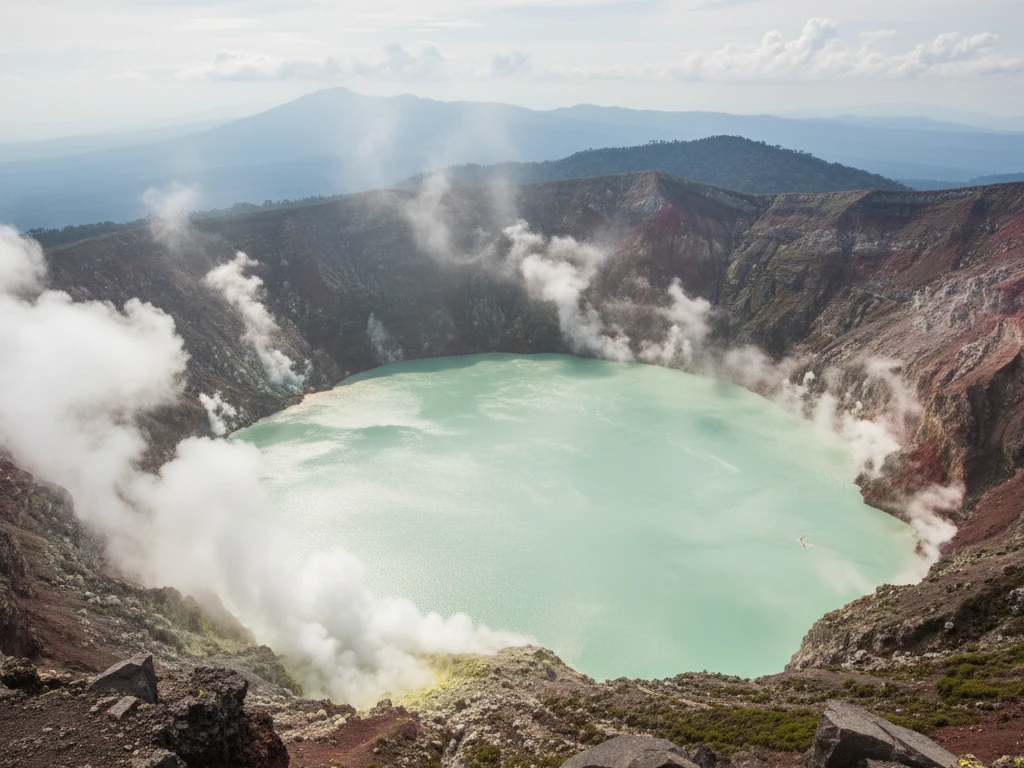
October half-term falls at the absolute peak of Costa Rica's rainy season. San Jose records 24.0°C highs and 16.6°C lows, with a drenching 520.3mm of rain across 29.4 rainy days - essentially rain every single day. September (420.7mm over 28.9 days) is only marginally drier. For families, October travel is the biggest weather gamble. Rivers swell, some roads become impassable, and certain lodges in remote areas may close or limit access. Caribbean coast destinations like Puerto Viejo face particularly heavy rainfall. However, October is also the quietest tourist month, meaning lower prices, empty trails and a more intimate experience for families willing to accept the rain. Waterproof gear becomes non-negotiable, and flexibility in the itinerary is critical. Activities like cloud forest walks, hot springs and wildlife spotting in the rain can be atmospheric and rewarding, but families should not expect multiple consecutive dry days.
Managing Heat and Humidity with Children
While Costa Rica's highlands remain temperate year-round - San Jose's averages hover between 23.7°C and 26.7°C across all months - coastal lowlands are significantly hotter and more humid, especially during school holidays. July and August beach trips mean mid-30s temperatures with oppressive humidity before the afternoon rains bring relief. Young children are particularly vulnerable to heat exhaustion and dehydration. Families should plan beach and outdoor activities for early mornings, retreat to shaded or air-conditioned spaces during midday heat, and ensure constant hydration. Lightweight, quick-drying clothing is essential, as is high-factor reef-safe sunscreen. The afternoon rainstorms actually provide a natural break from the heat, and many families find the post-rain coolness ideal for exploring towns or relaxing at the lodge. Packing a small battery-powered fan for humid nights in eco-lodges without air-conditioning can make a significant difference to children's comfort.
Beating the Crowds During Peak Windows
School-holiday travel means competing with both international families and, during Easter and summer, domestic tourists. The most popular spots - Manuel Antonio, Arenal Volcano, Monteverde Cloud Forest - see their highest visitor numbers during these windows. Families can mitigate crowding by booking the first entry slots at national parks, visiting lesser-known reserves like Braulio Carrillo or Corcovado, and choosing accommodation outside the main tourist hubs. Private tours rather than group excursions offer more flexibility and less jostling for views. July and August, despite the rain, see fewer crowds than Easter, and October is the quietest of all peak school-holiday periods. Accepting the weather trade-off can mean having waterfalls, hanging bridges and wildlife encounters largely to yourselves.
Booking Strategy for Fixed-Date Travel
Families travelling during school holidays must book earlier and pay more than off-peak travellers, but strategic choices can soften the blow. Easter accommodation and tours should be secured at least six months ahead, particularly if targeting Holy Week dates when availability is tightest. July and August bookings benefit from three to four months' lead time. October, being low season despite the half-term, offers more last-minute availability, though the best family-friendly lodges still fill up. Travel insurance with comprehensive weather-related coverage is wise for summer and October trips, given the likelihood of transport delays or activity cancellations due to rain. Families should also build rest days into the itinerary rather than cramming in activities, as wet-season travel can be physically tiring and schedules often require adjustment on the ground.
Which Peak Month Hurts Least?
If choosing between the three main UK school-holiday windows, Easter emerges as the most family-friendly compromise. April's 110.8mm of rain over 17.5 days is manageable compared to July's 285.7mm or October's 520.3mm, and temperatures remain comfortable for outdoor activity. The crowds and prices are the penalty. July offers a middle path - wetter than Easter but less saturated than October, with moderate crowds and prices. August is wetter still, with 379.6mm over 26.8 days, making it less appealing than July. October is only viable for families who genuinely embrace rain as part of the experience or prioritise empty trails and lower costs over reliable sunshine. For a first family trip to Costa Rica during school holidays, Easter or July are the safer bets.
FAQ
Is it worth visiting Costa Rica with kids during the summer holidays even though it is the rainy season?
Yes, if expectations are set appropriately. July and August bring daily afternoon rain - 285.7mm over 24.6 days in July and 379.6mm over 26.8 days in August - but mornings are often clear for wildlife tours and activities. The rainforest is at its most vibrant, crowds are lighter than Easter, and children often find the dramatic storms exciting rather than inconvenient. Waterproof gear, flexible plans and choosing lodges with covered play areas or pools make the wet season workable for families.
What should families pack for a Costa Rica school-holiday trip in terms of weather protection?
Waterproof jackets and trousers are essential for July, August and especially October when rain is near-constant. Quick-dry clothing, closed-toe water shoes for muddy trails, and a dry bag for electronics and documents are critical. High-factor reef-safe sunscreen, hats and lightweight long sleeves protect against intense sun before afternoon rains arrive. A small travel umbrella and waterproof backpack covers keep day-trip gear dry during sudden downpours common in all school-holiday periods.
How far in advance do families need to book Costa Rica trips during UK school holidays?
Easter requires the earliest booking - ideally six months ahead - due to overlap with Semana Santa and high international demand. July and August benefit from three to four months' lead time, especially for family-friendly lodges and private tours. October half-term, falling in the wettest month with 520.3mm of rain over 29.4 days, sees lower demand and can often be booked two to three months out, though the best eco-lodges still fill early.
Are there parts of Costa Rica that stay drier during the summer school holidays for families wanting to avoid heavy rain?
Guanacaste province on the northwest Pacific coast receives less rainfall than the Caribbean or central highlands during July and August, though afternoon showers still occur regularly. No region of Costa Rica stays truly dry during these months - even Guanacaste sees significant rain - but it offers relatively better odds for beach days. October, with 520.3mm nationwide, offers no reliable dry refuge, and families should plan for rain wherever they travel during half-term.
Weather data: open-meteo (ERA5 reanalysis, 2014-2023 averages). Reviewed and updated periodically.