Visiting Seychelles with Kids in the School Holidays

Seychelles ranks among the world's most spectacular beach destinations, but families bound by term dates face a unique challenge: the archipelago's tropical climate and popularity mean every school break brings distinct trade-offs. The summer holidays coincide with the cooler, drier southeast monsoon, Easter falls during the transitional period between wet and dry seasons, and October half-term straddles the shift back to wetter conditions. Understanding what each peak period delivers - and how to work with rather than against the climate - makes the difference between a stressful trip and an unforgettable island adventure with children.
| Month | Avg high | Avg low | Rainfall | Rainy days |
|---|---|---|---|---|
| January | 24.9°C | 23.3°C | 260.4 mm | 23.2 |
| February | 25.4°C | 23.9°C | 172.1 mm | 15.7 |
| March | 26.0°C | 24.3°C | 117.7 mm | 15.6 |
| April | 26.2°C | 24.3°C | 146.3 mm | 20.1 |
| May | 25.7°C | 24.1°C | 190.3 mm | 23.0 |
| June | 24.5°C | 23.3°C | 115.7 mm | 20.2 |
| July | 23.4°C | 22.3°C | 86.3 mm | 18.2 |
| August | 23.4°C | 22.3°C | 79.6 mm | 17.3 |
| September | 24.0°C | 22.7°C | 146.4 mm | 19.3 |
| October | 24.8°C | 23.3°C | 147.6 mm | 19.8 |
| November | 25.1°C | 23.4°C | 202.0 mm | 19.2 |
| December | 25.1°C | 23.3°C | 300.5 mm | 24.1 |
The Summer Holidays Reality: July and August
July and August represent the southeast monsoon season in Seychelles, bringing cooler temperatures and the driest weather of the year. Average highs reach 23.4°C in both months, with lows around 22.3°C - noticeably fresher than the sweltering heat families might expect on the equator. July sees 86.3 mm of rainfall spread across 18.2 rainy days, while August is even drier at 79.6 mm over 17.3 days. The trade-off for this comfortable climate is wind: the southeast monsoon generates choppy seas and persistent breezes that pile seaweed on southeastern beaches like Anse Intendance and Grand Anse. Northwestern beaches such as Beau Vallon, Anse Lazio and Anse Georgette remain calmer and more swimmable, making beach selection crucial during the summer break. Crowds peak as European families flood the islands, flight prices climb, and popular resorts fill months ahead. Despite the bustle, these months deliver genuinely pleasant conditions for active families - hiking, snorkelling on sheltered coasts, and exploring granite boulder formations all benefit from the moderate temperatures and lower rainfall.
Easter: Warm Transition with Unpredictable Showers
Easter falls in late March or April, catching Seychelles between the northwest and southeast monsoons during a transitional period. April records average highs of 26.2°C and lows of 24.3°C, making it warmer than the summer holidays but not oppressively hot. Rainfall sits at 146.3 mm across 20.1 rainy days - moderate by Seychelles standards, though significantly wetter than July or August. March is slightly drier at 117.7 mm over 15.6 days if Easter arrives early. The transitional nature means lighter winds and calmer seas across most beaches, excellent for families with young swimmers and snorkellers. Water clarity improves as sediment settles between monsoons, and granite bays like Anse Source d'Argent on La Digue shine under clearer skies. Easter remains a peak booking period with elevated accommodation costs, but crowds thin noticeably compared to summer, particularly in the second week as European families return for school restarts. Brief tropical downpours arrive more frequently than in winter, yet they often pass quickly, and the warm temperatures mean children dry off within minutes.
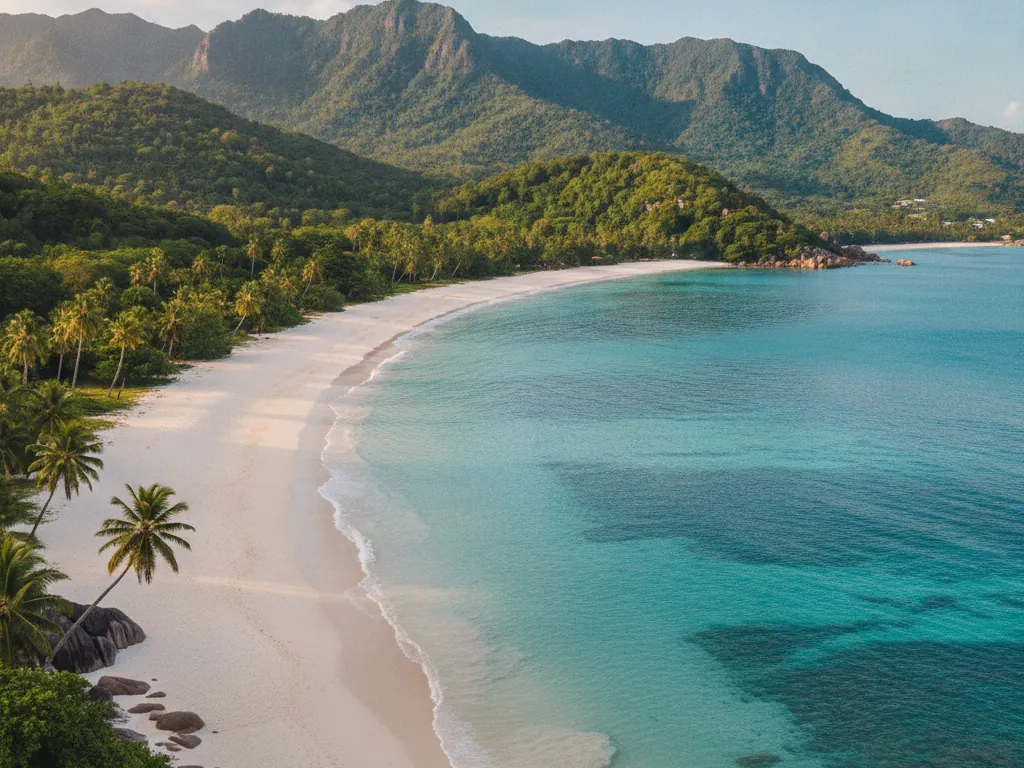
October Half-Term: The Gamble Season
October half-term presents the trickiest gamble for families visiting Seychelles. With average highs of 24.8°C and lows of 23.3°C, temperatures sit comfortably between the cooler July-August period and the hotter northwest monsoon months. Rainfall measures 147.6 mm across 19.8 days - similar to April's totals but with greater unpredictability as the archipelago transitions from the dry southeast monsoon back toward the wetter northwest season. Some October visits deliver glorious sunshine and calm seas; others encounter persistent drizzle and overcast skies. The month marks another inter-monsoon period, so winds typically remain light and beaches across all coasts become accessible, offering flexibility families miss during the summer break. Crowd levels fall between Easter and summer holidays - accommodation availability improves and prices soften slightly, though popular family resorts still fill quickly. Schools across the UK, Europe and parts of Africa break simultaneously, maintaining steady tourist numbers. Families who book October half-term should build flexibility into daily plans, with indoor options like the Seychelles National Botanical Gardens or Takamaka Rum Distillery ready as wet-weather alternatives.
Managing Heat and Humidity with Young Children
Even during the cooler July and August period, Seychelles maintains tropical warmth, and shoulder months bring higher temperatures that challenge young children unaccustomed to equatorial heat. Temperatures in April reach 26.2°C with high humidity year-round, and the combination can quickly lead to overheating, dehydration and cranky kids. Families should structure days around the climate: mornings before 11 AM and late afternoons after 3 PM suit beach time and outdoor exploration, while midday hours call for pool time at accommodation, air-conditioned museum visits, or rest breaks. Lightweight, UV-protective swimwear keeps children covered without adding bulk, and reef-safe sunscreen requires regular reapplication in the intense tropical sun. Hydration matters more than families expect - even infants need frequent fluid top-ups, and older children running between rock pools easily forget to drink. Brief rain showers during shoulder months actually provide welcome cooling breaks, and the warm temperatures mean no one suffers from getting wet. Packing hats with chin straps, portable fans, and electrolyte sachets makes humid days more manageable for the whole family.
Beating the Crowds at Peak Times
School holiday periods flood Seychelles with families, but strategic choices dramatically reduce the impact of crowds. Beau Vallon, the most accessible beach from the main island Mahe, heaves with day-trippers and tour groups during July and August - families staying nearby should arrive by 8 AM or after 4 PM to claim space. Lesser-known beaches like Anse Bazarca, Petite Anse on Mahe's southwestern coast, and Anse Severe on La Digue offer similar beauty with a fraction of the visitors. Inter-island ferries between Mahe and Praslin become sardine tins during peak weeks; booking the earliest morning departure or last afternoon return avoids the worst crush and reduces seasickness risk for children. Popular snorkelling spots like the Sainte Anne Marine National Park fill with glass-bottom boat tours by mid-morning - joining the first boat departure at 9 AM delivers clearer water and uncrowded reefs. Granite boulder sites such as Anse Source d'Argent photograph beautifully, but tour groups descend between 10 AM and 2 PM; visiting at sunrise or late afternoon provides magical golden light and space for children to explore rock pools without crowds. Dining reservations become essential during summer holidays, particularly at family-friendly beachfront restaurants - booking ahead for sunset dinner slots prevents disappointment and long waits with hungry children.
Booking Strategy for School Break Travel
Seychelles presents limited accommodation supply, and school holidays place intense pressure on family-friendly properties. Self-catering apartments and villas book six to nine months ahead for July and August, leaving latecomers with overpriced options or unsuitable boutique hotels aimed at couples. Easter and October half-term offer slightly more flexibility, but popular family resorts still fill three to four months out. Direct bookings with guesthouses and smaller properties sometimes yield better rates than international platforms, and owners may hold back rooms not listed online. Families requiring connecting rooms or larger spaces face the tightest inventory - Seychelles caters heavily to honeymooners, and genuinely family-sized accommodation commands premium rates during peak periods. Flight availability becomes another constraint: direct services from European hubs reduce dramatically outside summer, and connections through Middle Eastern hubs add journey time that tests children's patience. Booking flights as soon as term dates confirm prevents painful premium-cabin prices or split families across different services. Travel insurance with school-term cancellation cover protects against illness or school policy changes that torpedo carefully laid plans.
Which Peak Month Delivers the Least Pain?
For families locked into school holiday travel, July emerges as the optimal choice despite higher costs and crowds. The month delivers genuinely comfortable temperatures at 23.4°C, the lowest rainfall of any school break at 86.3 mm, and predictable weather patterns that allow confident activity planning. August matches July's climate numbers, but southeast winds often strengthen as the month progresses, limiting beach options further. Easter provides warmer swimming conditions and lighter crowds than summer, though the 146.3 mm of April rainfall and 20.1 rainy days introduce more weather disruption than most families prefer. October half-term offers the biggest gamble - when conditions cooperate, calm seas and moderate temperatures create ideal family holiday weather, but the transitional climate brings frustrating unpredictability that disrupts plans and strands families in accommodation during grey, wet days. Families prioritising guaranteed sunshine and stable weather should target July despite the expense and bustle. Those comfortable with weather risk and seeking better value might prefer Easter, while October half-term suits flexible families who can pivot plans around tropical showers and accept that some days simply won't deliver postcard perfection.
FAQ
Is it too hot to visit Seychelles with young children during the summer holidays in July and August?
July and August actually deliver the coolest weather Seychelles offers, with average highs of 23.4°C - noticeably more comfortable than Caribbean or Mediterranean alternatives during summer. The temperatures suit active children well, though humidity remains high year-round and sun protection stays essential. These months present fewer heat-management challenges than Easter or October.
Which beaches in Seychelles stay calm and safe for kids during the windy July and August school holidays?
Northwestern beaches including Beau Vallon, Anse Lazio on Praslin, and Côte d'Or remain significantly calmer during the southeast monsoon that dominates July and August. Southeastern coasts like Anse Intendance and Grand Anse experience rough seas and seaweed accumulation during summer, making them less suitable for young swimmers despite their beauty.
How much rain should families expect when visiting Seychelles during Easter break in March or April?
April sees 146.3 mm of rainfall across 20.1 rainy days, while March records 117.7 mm over 15.6 days. Showers typically arrive as brief tropical downpours rather than all-day rain, and warm temperatures mean children dry quickly. The transitional inter-monsoon period brings less predictable weather than the drier July-August window.
Can families find good availability and reasonable prices for October half-term travel to Seychelles?
October half-term sits between the ultra-peak summer holidays and quieter shoulder seasons, offering moderately better availability than July-August but less flexibility than true off-peak periods. Family-friendly accommodation still books several months ahead, and prices remain elevated during the half-term week, though less extreme than summer rates. The weather gamble during this transitional month represents a bigger consideration than cost for most families.
Weather data: open-meteo (ERA5 reanalysis, 2014-2023 averages). Reviewed and updated periodically.