Visiting Norway with Kids in the School Holidays
Norway presents families with a unique challenge during school holidays: the country's dramatic seasonal swings mean each peak period offers a completely different experience. Summer holidays bring mild temperatures and endless daylight, Easter can deliver snow or spring thaw depending on elevation, and October half-term sits firmly in autumn's grip with shortening days and wet weather. Understanding what each school break actually delivers helps families pack appropriately, set realistic expectations, and choose activities that match the conditions their children will encounter.
| Month | Avg high | Avg low | Rainfall | Rainy days |
|---|---|---|---|---|
| January | -0.3°C | -5.0°C | 75.5 mm | 12.3 |
| February | 1.4°C | -4.0°C | 67.6 mm | 10.6 |
| March | 5.0°C | -2.5°C | 55.6 mm | 8.5 |
| April | 10.6°C | 1.3°C | 48.9 mm | 7.5 |
| May | 15.5°C | 6.4°C | 78.2 mm | 12.3 |
| June | 20.7°C | 11.7°C | 80.4 mm | 11.3 |
| July | 21.7°C | 13.5°C | 102.1 mm | 13.2 |
| August | 19.8°C | 12.4°C | 96.2 mm | 13.8 |
| September | 16.1°C | 9.8°C | 95.8 mm | 10.7 |
| October | 9.6°C | 4.9°C | 96.9 mm | 12.7 |
| November | 4.2°C | 0.6°C | 90.8 mm | 12.9 |
| December | 0.4°C | -3.8°C | 64.6 mm | 12.6 |
The Summer Holidays Reality: July and August
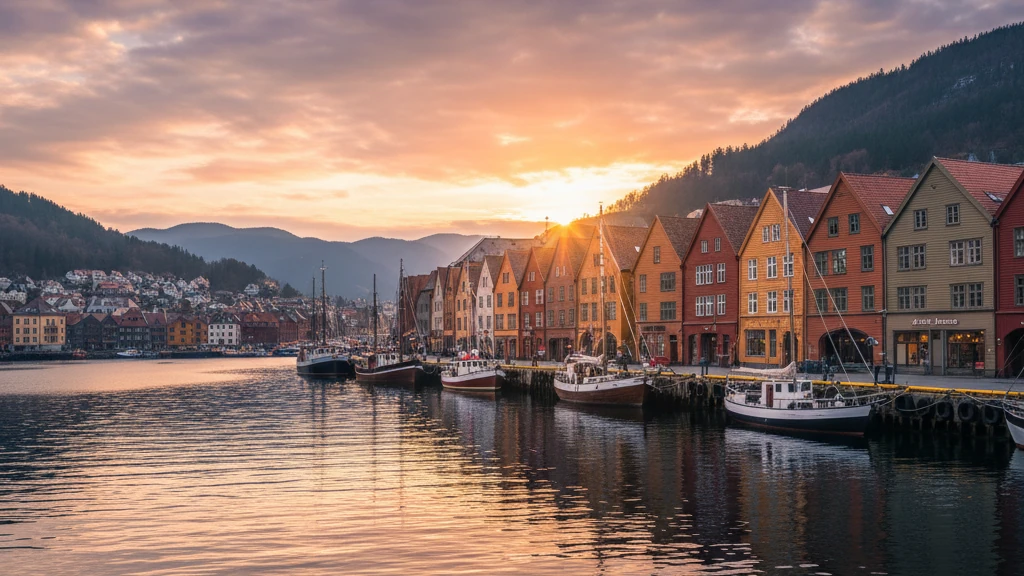
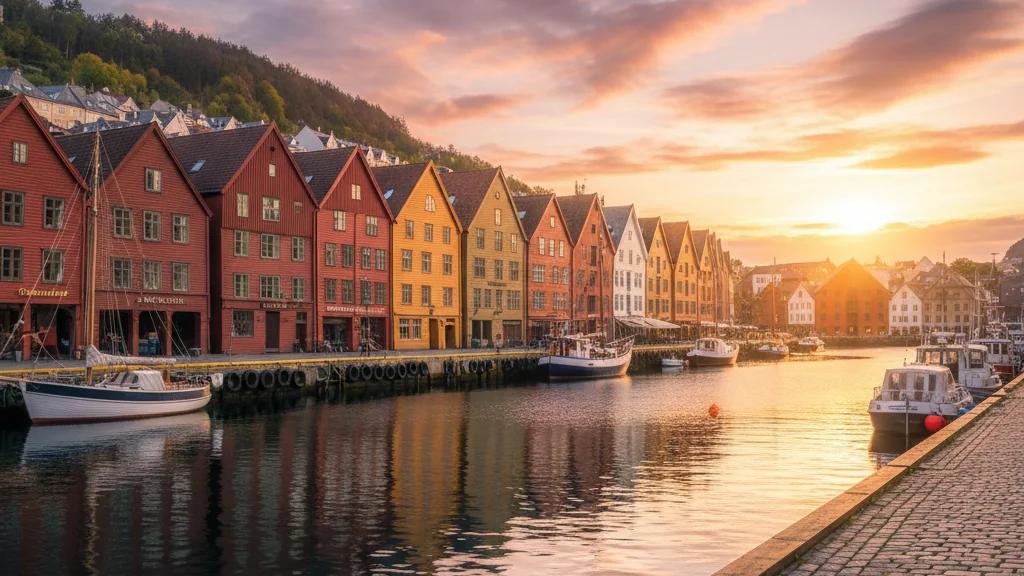
July and August represent Norway's warmest window, with average highs in Oslo reaching 21.7°C and 19.8°C respectively. These months also bring the country's wettest conditions, with July receiving 102.1mm of rainfall across 13.2 rainy days and August delivering 96.2mm over 13.8 rainy days. Families should expect a mix of pleasant warm days and frequent showers rather than consistent sunshine. The temperatures prove comfortable for active children - warm enough for fjord swimming and outdoor adventures without the oppressive heat found in southern European destinations. Crowds peak across all tourist areas during these weeks, with Norwegian families on holiday alongside international visitors. Popular attractions like the Bergen funicular, Vigeland Park, and the Atlantic Road see their longest queues, while accommodation in major cities and scenic regions commands premium rates.
Easter Break Conditions
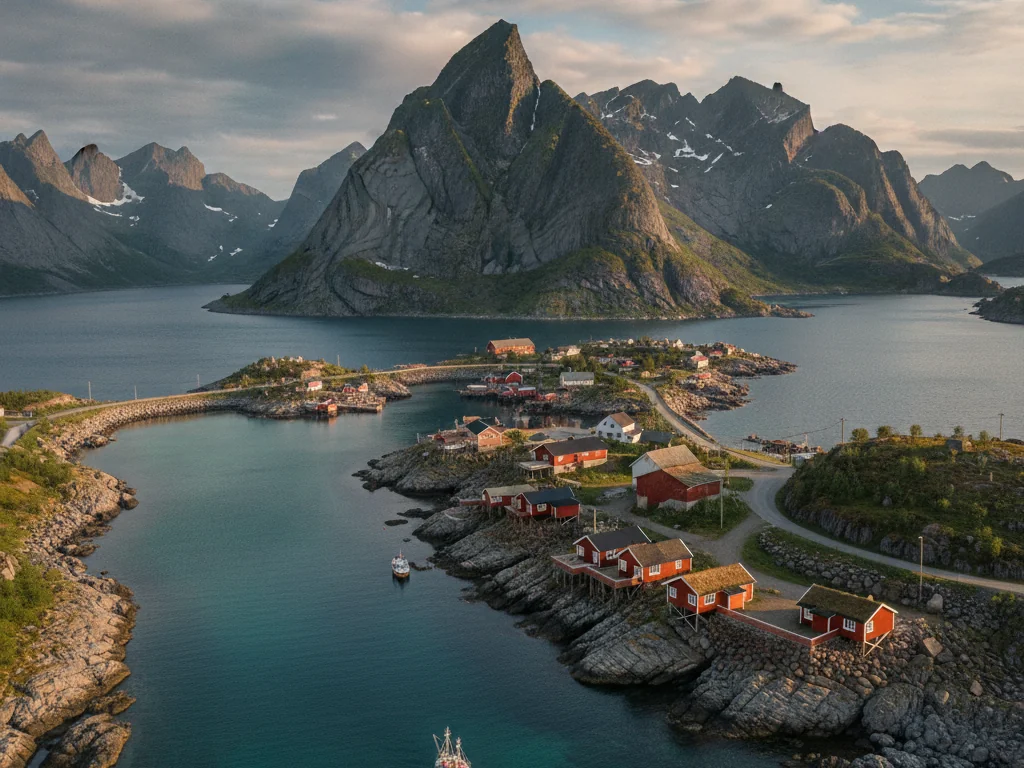
Easter typically falls in April, when Oslo records average highs of 10.6°C and lows of 1.3°C, with 48.9mm of rainfall spread across 7.5 rainy days. This makes Easter the driest of the school holiday periods, though temperatures remain cool and conditions vary dramatically by elevation. Ski resorts in higher elevations often maintain good snow cover through Easter week, making this period Norway's prime family ski holiday window. Lower elevations and coastal areas may experience spring conditions with muddy trails and patchy snow. Families planning mountain activities will find snow-sure conditions and decent weather, while those focusing on cities and fjords should prepare for brisk temperatures and layered clothing. The shoulder-season timing means smaller crowds than summer but still busy conditions at major ski resorts.
October Half-Term Reality Check
October half-term delivers autumn in full force, with Oslo averaging 9.6°C for daytime highs and 4.9°C overnight, alongside 96.9mm of rainfall across 12.7 rainy days. This means frequent rain, limited daylight hours, and conditions that require waterproof gear for any outdoor activities. The positive angle centres on autumn colours in forested areas and significantly reduced tourist crowds compared to summer. Museums, indoor attractions, and cosy cafes become the natural focus, with outdoor adventures limited to well-equipped families comfortable with wet hiking conditions. Temperatures sit too cold for most children to enjoy water activities but remain manageable for walking and exploring with proper rain gear. Accommodation rates drop and popular sites operate with minimal queues, though some seasonal attractions and mountain roads begin closing for winter.
Managing Cool Temperatures with Children
Even Norway's warmest school holiday period - late July and early August - delivers only moderate temperatures in the low 20s Celsius, while Easter and October half-term require genuine cold-weather preparation. Successful family trips depend on layering systems that children can adjust as activity levels change. Base layers, fleece mid-layers, and waterproof outer shells work across all three peak periods, with summer requiring fewer and lighter layers. The key challenge involves keeping children comfortable during transitions between heated indoor spaces and outdoor exploration. Families tend to find Norwegian conditions easier to manage than tropical heat - children can always add layers, and cool temperatures support active hiking and cycling without overheating. The frequent rainfall across all peak periods demands quality waterproof jackets and trousers rather than disposable ponchos, plus waterproof bags for electronics and spare clothing.
Beating the Crowds During Peak Weeks
Norwegian school holidays overlap substantially with international peak travel periods, creating genuine crowd pressure at major attractions during summer and Easter. Families achieve the best experience by booking timed-entry tickets for popular museums weeks in advance, visiting headline attractions either first thing in the morning or during typical dinner hours, and building in alternative plans when queues look excessive. The country's excellent public transport network allows families to base themselves slightly outside major cities, where accommodation runs cheaper and morning arrivals at attractions beat the tour bus rush. October half-term delivers the easiest crowd conditions, with many families deterred by the weather outlook and reduced daylight hours. Rural areas and smaller towns maintain comfortable visitor levels even during peak summer weeks, while Oslo, Bergen, and the Geirangerfjord area see the heaviest concentration.
Booking Strategy for School Holiday Dates
Norway's peak-season accommodation requires earlier booking than many European destinations, with Bergen and Oslo hotels filling months ahead for July and August dates. Families who wait until spring to book summer holidays find limited availability and higher rates across hotels, cabins, and holiday apartments. Easter bookings depend heavily on snow conditions, with ski-focused families monitoring forecasts and resort reports before committing to specific dates. October half-term offers the most booking flexibility, with last-minute deals sometimes available as hotels try to maintain occupancy during quieter autumn weeks. Transport bookings - particularly the famous Flam Railway and Hurtigruten coastal route - sell out well in advance during summer, while Easter and October maintain better availability. Families should book headline activities and accommodation three to four months ahead for summer travel, six to eight weeks for Easter, and four weeks for October half-term.
Which Peak Period Works Best
For families unable to travel outside school holidays, July and early August deliver the most reliably good conditions despite higher rainfall than many expect. The warm temperatures suit children's outdoor activities, long daylight hours maximise sightseeing time, and all attractions operate full schedules. Easter works brilliantly for ski-focused trips and families comfortable with cool conditions, offering the driest weather of the peak periods and genuine snow experiences in mountain areas. October half-term suits museum-loving families, those on tighter budgets, and children who cope well with rainy days, but the limited daylight and frequent wet weather make this period the most challenging for typical sightseeing itineraries. Summer's combination of manageable temperatures, full attraction access, and reasonable daylight hours gives it the edge for most families despite the crowds and rain.
FAQ
Is Norway too rainy to visit with kids during summer school holidays?
July and August are actually Norway's wettest months with over 100mm and 96mm of rainfall respectively, but this typically falls as scattered showers rather than all-day rain. Families who pack quality waterproof gear and build flexibility into daily plans generally find the conditions manageable, with enough dry spells for outdoor activities and the warm temperatures making wet weather less miserable than during spring or autumn.
What should families pack for Norway during Easter break with children?
April temperatures in Norway average 10.6°C during the day and 1.3°C overnight, requiring proper layering systems including base layers, fleece mid-layers, and waterproof shells. Snow remains likely in mountain areas while lower elevations may see spring conditions, so packing should cover both scenarios with warm hats, gloves, and waterproof trousers alongside lighter layers for milder days.
Are Norwegian attractions and activities open during October half-term?
Major city attractions, museums, and year-round activities operate normally during October half-term, but some seasonal mountain roads close and certain outdoor attractions reduce hours or shut down ahead of winter. Families should verify specific attraction schedules before travelling, particularly for higher-elevation activities and scenic mountain routes that may already be closed by late October.
How much more expensive is Norway during peak summer weeks compared to October half-term?
Accommodation rates increase substantially during July and August compared to October, with hotels and holiday rentals commanding premium pricing during peak summer demand. October half-term typically offers better value with shoulder-season rates, though specific price differences vary by property type and location. Families find the greatest savings in popular tourist areas like Bergen and the fjord region, while Oslo city hotels show less dramatic seasonal variation.
Weather data: open-meteo (ERA5 reanalysis, 2014-2023 averages). Reviewed and updated periodically.