What to Pack for Norway with Kids (Season by Season)
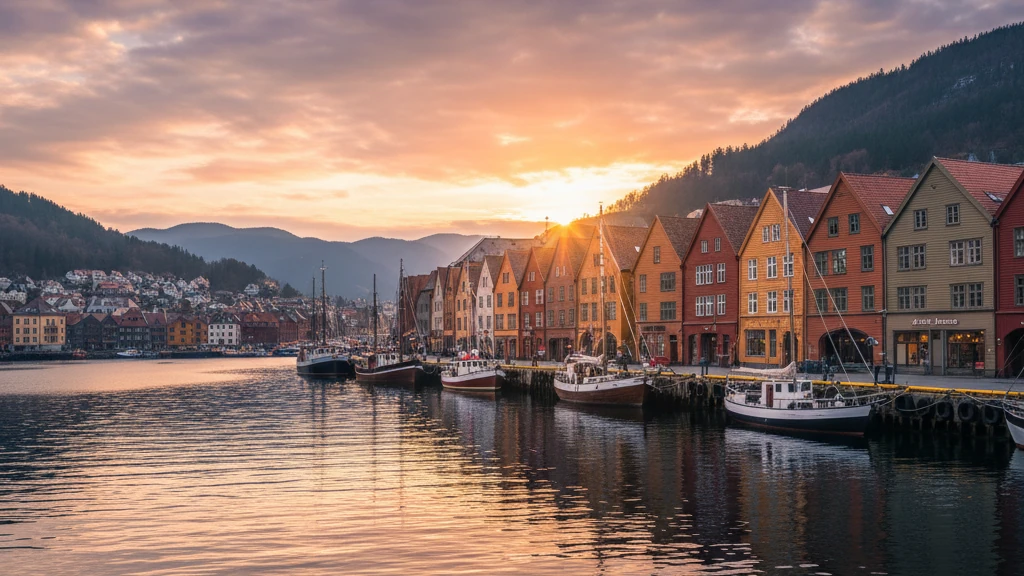
Norway's dramatic seasonal shifts demand thoughtful packing when travelling with children. From sub-zero January mornings averaging -5°C to mild July afternoons reaching 21.7°C, families need versatile wardrobes that layer effectively and protect against the country's frequent precipitation. With rainfall exceeding 90mm from May through November and rainy days numbering over ten per month in multiple seasons, waterproof gear becomes essential year-round. Understanding how temperature, rainfall and daylight patterns shape each season helps families pack efficiently while keeping children comfortable through Oslo's urban museums, Bergen's historic wharf, and Tromsø's Arctic landscapes. Strategic packing balances warmth and weather protection with the practical realities of managing family luggage.
| Month | Avg high | Avg low | Rainfall | Rainy days |
|---|---|---|---|---|
| January | -0.3°C | -5.0°C | 75.5 mm | 12.3 |
| February | 1.4°C | -4.0°C | 67.6 mm | 10.6 |
| March | 5.0°C | -2.5°C | 55.6 mm | 8.5 |
| April | 10.6°C | 1.3°C | 48.9 mm | 7.5 |
| May | 15.5°C | 6.4°C | 78.2 mm | 12.3 |
| June | 20.7°C | 11.7°C | 80.4 mm | 11.3 |
| July | 21.7°C | 13.5°C | 102.1 mm | 13.2 |
| August | 19.8°C | 12.4°C | 96.2 mm | 13.8 |
| September | 16.1°C | 9.8°C | 95.8 mm | 10.7 |
| October | 9.6°C | 4.9°C | 96.9 mm | 12.7 |
| November | 4.2°C | 0.6°C | 90.8 mm | 12.9 |
| December | 0.4°C | -3.8°C | 64.6 mm | 12.6 |
Spring Packing (March-May)
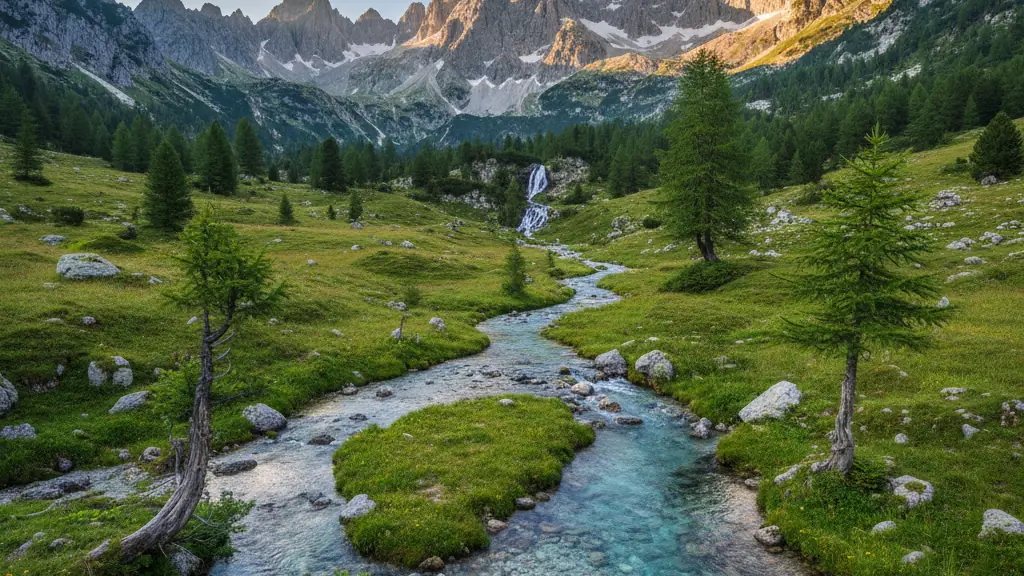
Spring in Norway brings rapid temperature transitions, with March highs averaging 5°C and May reaching 15.5°C. The season combines lingering winter chill (March lows around -2.5°C) with increasing warmth, making layering systems essential for families. May sees substantial rainfall at 78.2mm across more than twelve rainy days, while March remains drier at 55.6mm. Pack medium-weight base layers for children, fleece mid-layers, and waterproof outer shells that accommodate growing spring warmth. Thermal leggings work well under trousers early in the season, while lightweight merino tops provide breathable warmth as temperatures climb. Include waterproof trousers for active children exploring wet trails or playgrounds. Bring warm hats and gloves for early spring mornings, transitioning to lighter caps as May approaches. Spring's variable conditions mean families should prepare for both chilly rain and surprisingly warm afternoons when fjord-side towns bask in extended daylight.
Summer Packing (June-August)
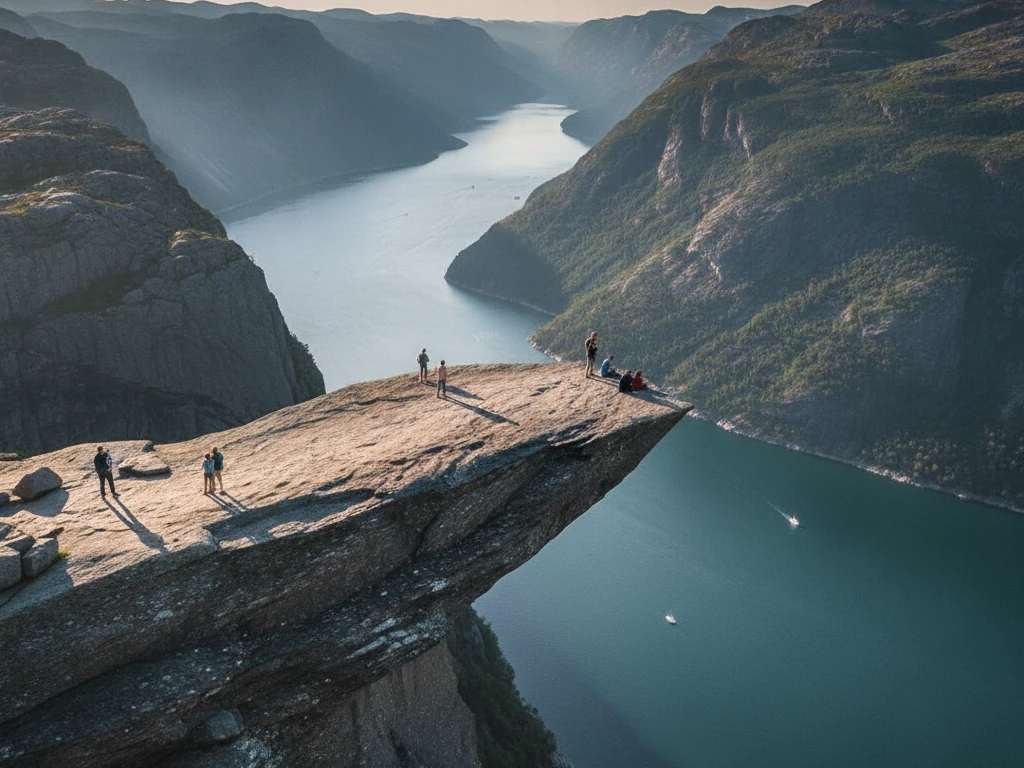
Norwegian summer offers the mildest conditions, with July averaging 21.7°C during the day and 13.5°C overnight. However, this season brings the year's heaviest rainfall - July receives 102.1mm across 13.2 rainy days, and August follows closely with 96.2mm over nearly fourteen rainy days. Pack lightweight, quick-drying clothing that layers easily, as summer temperatures remain moderate rather than hot. T-shirts, long-sleeve tops, and light fleeces create adaptable combinations for children who shift between sunny outdoor activities and cooler coastal breezes. Include full waterproof rain jackets and rain trousers, as summer showers arrive frequently despite pleasant temperatures. Long trousers protect against midges and cooler evenings, though shorts work for warmer days. Nighttime temperatures dipping to 11-13°C mean families need light sweaters or hoodies for late-evening outings during the midnight sun period. Quick-dry fabrics prove invaluable when clothes need overnight drying in accommodation without tumble dryers.
Autumn Packing (September-November)
Autumn brings steady cooling, from September's 16.1°C highs down to November's 4.2°C, with overnight temperatures dropping to 0.6°C by late season. Rainfall remains consistently high throughout autumn, exceeding 90mm monthly and bringing twelve to thirteen rainy days each month. Families need robust layering systems that add warmth progressively: thermal base layers, insulating mid-layers, and waterproof outer shells become daily essentials. Pack warm fleeces or lightweight down jackets for children, as the cooling trend accelerates through October and November. Waterproofs must be reliable - autumn's persistent precipitation and wind make quality rain gear non-negotiable for family comfort. Include warm hats, gloves, and scarves by October, as morning temperatures approach freezing. November conditions border on winter, with lows near -4°C possible, so thermal layers and winter-weight jackets suit families travelling late in the season. The combination of cold and wet conditions means children need clothing that maintains warmth even when damp.
Winter Packing (December-February)
Norwegian winter demands serious cold-weather gear, with January lows averaging -5°C and highs barely reaching -0.3°C. February offers marginal improvement at 1.4°C daytime and -4°C overnight. Rainfall ranges from 64.6mm to 75.5mm monthly, often falling as snow, with twelve to thirteen precipitation days per month. Pack full winter insulation systems: thermal base layers (top and bottom), fleece or wool mid-layers, and insulated winter coats rated for sub-zero conditions. Children need quality winter boots rated to at least -10°C with good traction for icy surfaces. Snowsuits work well for younger children spending extended time outdoors, while older kids manage better with layered systems. Include multiple pairs of warm gloves or mittens - wet gloves in snowy play leave children cold quickly. Thick wool or synthetic socks, warm hats covering ears, and neck warmers or balaclavas protect against biting winds. Thermal long underwear proves essential for everyone. Consider hand and toe warmers for particularly cold days exploring winter landscapes or attending outdoor festivals.
Footwear for Norwegian Conditions
Footwear choices should address Norway's combination of urban exploration, trail hiking, and wet weather across all seasons. Waterproof hiking boots with ankle support suit spring through autumn family activities, handling wet trails, rocky terrain, and muddy paths with reliable traction. Children outgrow boots quickly, but waterproof models prove worth the investment given year-round rainfall. Summer allows lightweight trail shoes or waterproof trainers for less demanding terrain, though boots remain preferable for mountain or forest walks. Winter requires insulated, waterproof boots with deep treads for snow and ice - non-negotiable for family safety on slippery pavements and winter trails. Pack indoor shoes or trainers for accommodation and museums, as many Norwegians remove outdoor footwear inside. Bring backup footwear where possible, particularly for children, as drying wet shoes overnight in humid accommodation proves challenging. Gaiters help keep snow out of boots during winter activities, while older children appreciate waterproof sandals for summer fjord-side exploration and hostel showers.
Sun and Rain Protection
Despite northern latitudes, Norwegian summer sun requires serious protection, particularly during extended daylight hours and at altitude or near reflective water and snow. Pack high-SPF sunscreen and reapply frequently - children burn surprisingly quickly during long outdoor days. Sunglasses with UV protection suit all ages for bright conditions, while wide-brimmed hats or caps with neck flaps shield faces during summer hiking and coastal trips. Rain protection needs year-round attention given monthly rainfall that never drops below 48.9mm (April) and regularly exceeds 90mm from May through November. Quality waterproof jackets with taped seams and hoods work harder than any other item in family luggage. Rain trousers prevent misery during extended wet-weather activities, particularly for children who sit on damp surfaces or crouch in puddles. Pack small folding umbrellas for urban sightseeing, though wind often makes them impractical in exposed coastal areas. Waterproof bags or pack covers protect electronics, documents, and spare clothing during wet-day excursions. Zip-lock bags safeguard phones and small valuables from persistent drizzle that penetrates pockets.
Kids' Essentials Beyond Clothing
Children's comfort items and practical necessities require dedicated packing attention for Norwegian family travel. Bring familiar snacks for picky eaters, as Norwegian grocery prices run high and familiar brands may be unavailable. Pack any specialized medications, as pharmacies require prescriptions for many items available over-the-counter elsewhere. Include small backpacks for older children to carry their own water, snacks, and layers during day trips, building independence and distributing luggage weight. Bring entertainment for travel days - books, tablets with downloaded content, and small games occupy children during long train journeys through mountain scenery or ferry crossings between fjord communities. Reusable water bottles stay filled from Norway's excellent tap water, saving money and plastic waste. Pack nightlights or torches for children unsettled by summer's midnight sun or winter's extended darkness - both extremes disrupt familiar sleep patterns. Include plastic bags for wet or dirty clothing, separating soiled items from clean packing. Bring clothesline or drying cord with clips, as frequent rain means regular laundry needs and accommodation drying facilities vary widely.
What NOT to Bring
Families often overpack bulky items better left home or acquired locally. Skip cotton clothing, which absorbs moisture, dries slowly, and loses insulating properties when wet - Norwegian conditions punish cotton choices throughout the year. Avoid packing excessive formal clothing, as Norway's culture runs casual and children need practical, comfortable outfits for active days. Leave behind single-purpose items used only occasionally, such as specialized snow gear for families visiting cities rather than ski resorts - rental options exist for the few occasions when such equipment proves necessary. Forget packing large quantities of toiletries, as Norwegian shops stock international brands and travel-size restrictions make carrying full bottles impractical. Skip beach toys and bulky outdoor equipment, which add luggage weight and volume for limited use - if needed, buy locally or improvise. Avoid non-waterproof luggage without protective covers, as handling in rainy conditions soaks fabric cases. Do not pack assuming Mediterranean summer conditions, even in July and August - Norwegian summer remains temperate with significant rainfall, not hot beach weather. Leave behind the mindset that children need different outfits daily, as practical travel means re-wearing clean layers and accepting that laundry happens mid-trip.
FAQ
Do children really need waterproof trousers for a summer trip to Norway?
Yes, particularly for active children and families planning outdoor activities. July and August bring over 96mm of monthly rainfall across thirteen to fourteen rainy days, meaning families encounter wet conditions frequently despite mild summer temperatures. Waterproof trousers allow children to sit on damp surfaces, play in wet grass, and remain comfortable during prolonged rainy-day excursions without becoming soaked through. While adults might tolerate damp jeans, children's lower tolerance for discomfort makes waterproof lower layers worthwhile for maintaining happy moods during active travel days.
What type of jacket works best for Norway with kids across multiple seasons?
A quality waterproof shell jacket with breathable fabric, taped seams, and adjustable cuffs provides the most versatile foundation for Norwegian family travel from spring through autumn. This outer layer pairs with varying insulation underneath - light fleeces in summer, heavier mid-layers in spring and autumn. The waterproof shell handles Norway's year-round rainfall while breathability prevents overheating during active hiking or playground time. Winter requires additional insulated jackets, but a reliable waterproof shell proves indispensable across three seasons and justifies investing in proper sizing with room for layering.
How many layers should children wear during a typical spring day in Norway?
Spring's variable conditions from March through May call for three-layer systems that adjust throughout the day. Start with a thermal or merino base layer, add a fleece or light down mid-layer for warmth, and top with a waterproof shell. March mornings at -2.5°C require all layers, while May afternoons reaching 15.5°C allow stripping down to base and shell. This flexible approach accommodates rapid temperature changes, spring rainfall averaging 48.9-78.2mm monthly, and the transition from late winter chill to genuine spring warmth. Carrying a small backpack makes managing shed layers practical during active days.
Should families pack winter boots for a December trip to Oslo even though it is a city destination?
Absolutely - December temperatures average 0.4°C during the day and -3.8°C overnight, with precipitation across nearly thirteen days monthly, often falling as snow. City pavements become icy and slippery, parks fill with snow, and families spend significant time outdoors walking between museums, attractions, and restaurants. Inadequate footwear leaves children cold, uncomfortable, and at risk of slips on icy surfaces. Proper insulated, waterproof winter boots with good traction prove essential for safety and comfort, even in urban settings. Oslo's excellent public transport means less walking than car-dependent destinations, but families still cover substantial distances on foot in genuine winter conditions.
Weather data: open-meteo (ERA5 reanalysis, 2014-2023 averages). Reviewed and updated periodically.