Visiting Oman with Kids in the School Holidays
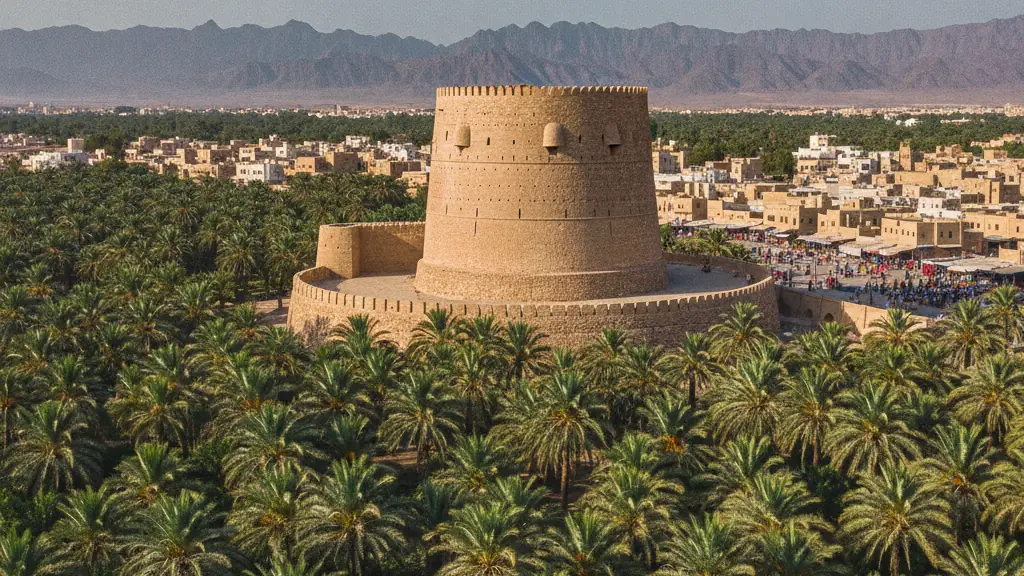
Oman offers families an extraordinary blend of desert adventures, coastal escapes and cultural discovery, but the school holiday calendar presents genuine climate challenges for those unable to travel off-peak. Most UK and European families are locked into July, August, Easter and October half-term - periods when Oman's weather ranges from extreme heat to surprisingly pleasant. Understanding what each peak holiday window brings in terms of temperature, rainfall and crowd patterns helps families prepare effectively and choose the least painful option when flexibility simply isn't possible.
| Month | Avg high | Avg low | Rainfall | Rainy days |
|---|---|---|---|---|
| January | 24.1°C | 16.8°C | 12.7 mm | 2.7 |
| February | 25.6°C | 18.1°C | 4.8 mm | 0.9 |
| March | 29.0°C | 21.3°C | 12.8 mm | 2.0 |
| April | 33.9°C | 25.5°C | 2.9 mm | 0.6 |
| May | 38.0°C | 29.1°C | 0.7 mm | 0.2 |
| June | 38.5°C | 30.4°C | 0.5 mm | 0.2 |
| July | 37.5°C | 30.6°C | 8.0 mm | 0.8 |
| August | 36.6°C | 28.9°C | 0.0 mm | 0.0 |
| September | 35.6°C | 27.5°C | 0.0 mm | 0.0 |
| October | 33.4°C | 25.4°C | 12.3 mm | 1.1 |
| November | 29.1°C | 21.7°C | 7.0 mm | 1.4 |
| December | 25.6°C | 18.6°C | 12.4 mm | 1.3 |
The Summer Holidays Reality: July and August Heat
The six-week summer break falls squarely into Oman's hottest season. July in Muscat sees average highs of 37.5°C with lows of 30.6°C, while August delivers 36.6°C highs and 28.9°C lows. These figures represent averages - midday temperatures frequently push higher. Rainfall is minimal: July receives approximately 8.0 mm over less than one rainy day, and August is essentially bone-dry at 0.0 mm. The heat is relentless and humid along the coast, making outdoor exploration challenging during daylight hours. Families willing to travel during summer need to build their itinerary around early mornings, late afternoons and air-conditioned indoor attractions. The upside is relatively smaller crowds compared to European peak season destinations, and hotel rates remain moderate because most international tourists avoid Oman entirely during these months. Beach resorts and mountain retreats in Jebel Akhdar offer marginally cooler conditions, but summer remains the most demanding school holiday period for families travelling to Oman.
Easter: A More Forgiving Window
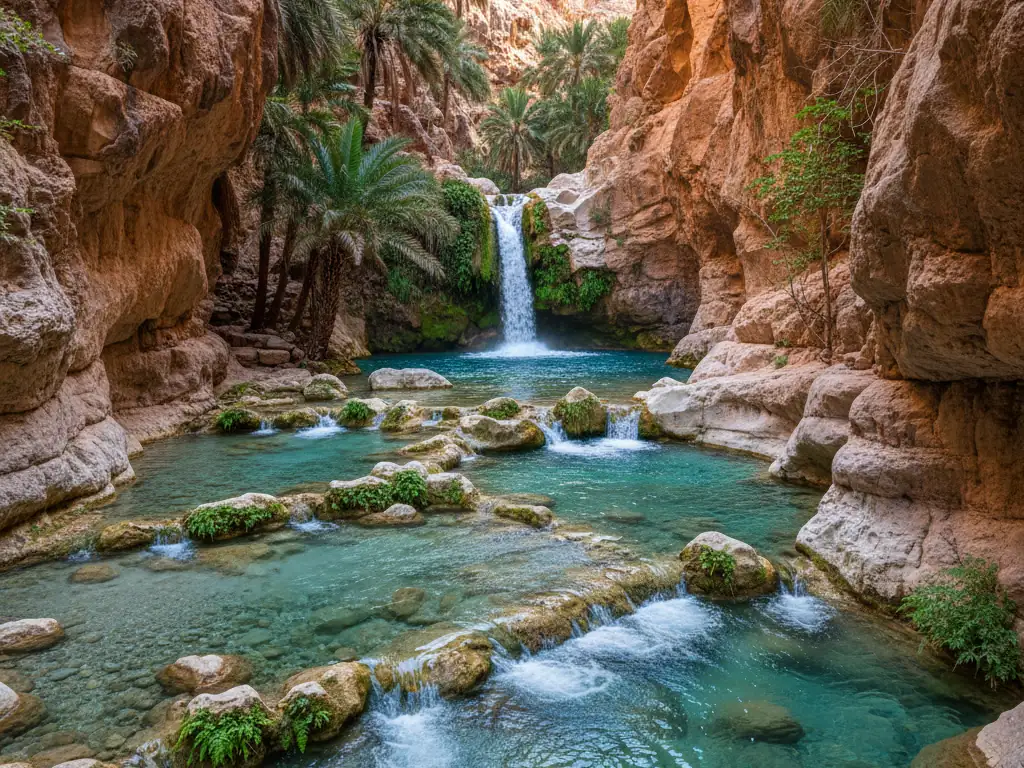
Easter typically falls in late March or April, catching Oman during a transitional period. March offers average highs of 29.0°C and lows of 21.3°C with approximately 12.8 mm of rainfall spread over two days - genuinely pleasant conditions for family sightseeing. April turns warmer with highs reaching 33.9°C and lows of 25.5°C, and rainfall drops to just 2.9 mm over less than one rainy day. Both months deliver dry, sunny weather ideal for exploring wadis, forts and souqs without the suffocating heat of summer. Families will find April afternoons warm but manageable with proper sun protection and hydration. Easter represents one of the better peak-period options, offering reliable weather for outdoor adventures before temperatures become oppressive. Crowds remain light as Oman sits outside mainstream European holiday circuits, and accommodation availability is generally good even during the Easter fortnight.

October Half-Term: Cooling Down
October half-term catches Oman as temperatures begin their welcome decline from summer extremes. Average highs sit at 33.4°C with lows of 25.4°C - still warm but noticeably more tolerable than July and August. The month sees approximately 12.3 mm of rainfall over roughly one day, making precipitation unlikely but not impossible. By late October, when most half-term breaks occur, families experience increasingly comfortable mornings and evenings suitable for hiking, camel trekking and beach activities. Midday heat still requires caution, particularly for younger children, but the worst of summer has passed. October represents a shoulder season climate-wise, offering families a realistic compromise between weather comfort and school calendar constraints. Crowds remain manageable, and families often find October provides better value than Easter while delivering comparable touring conditions.
Managing Heat with Children
Travelling to Oman during July, August or even April requires deliberate heat management strategies. Start outings at first light - Muscat's souqs and forts open early and offer magical experiences before temperatures climb. Plan indoor activities for midday: the National Museum, aquariums and shopping complexes provide air-conditioned respite. Return to outdoor exploration after 4pm when temperatures drop slightly. Constant hydration is non-negotiable - children need water offered every 20 minutes regardless of whether they request it. Loose, light-coloured cotton clothing, wide-brimmed hats and high-SPF sunscreen form essential kit. Consider water-based activities during peak heat: hotel pools, beach time and wadi swimming naturally cool children while keeping them entertained. Night-time activities like evening desert camps or dhow cruises allow families to experience Oman's landscapes without heat stress. Renting a car with excellent air conditioning is worth the premium during summer holidays.
Beating the Crowds (Such As They Are)
Oman never suffers the overwhelming tourist crush seen in Mediterranean hotspots, but understanding relative crowd patterns helps maximise the experience. July and August see fewer international tourists but more regional visitors from neighbouring Gulf states escaping their own summer heat. Easter and October half-term attract European families but numbers remain modest. Popular sites like Nizwa Fort, Wahiba Sands and Jebel Shams see their busiest periods during these school holidays, but 'busy' in Oman means you'll share spaces rather than queue extensively. Arriving at major attractions right at opening time typically provides quieter experiences. Coastal areas around Muscat and Salalah become more populated during school holidays, but heading inland to mountain villages and lesser-known wadis offers near-solitude even during peak weeks. Booking desert camps and mountain resorts well ahead secures preferred dates, as capacity is limited at boutique properties favoured by families.
Booking Strategy for School Holiday Travel
Committing to flights and accommodation three to four months ahead provides the widest choice during school holidays, particularly for Easter and October when demand concentrates into narrow windows. Direct flights from UK hubs to Muscat fill quickly during half-term weeks. Hotel rates show less dramatic seasonal variation than in Europe, but family rooms and connecting suites at popular resorts become scarce close to travel dates. Pre-booking rental cars is essential - automatic transmission vehicles suitable for families are limited during peak periods. Desert camps and mountain lodges often operate at capacity during school holidays, making advance reservations necessary rather than optional. Tours and guides focusing on family experiences also fill early. The extended summer holiday window offers more booking flexibility than the shorter Easter and October breaks, though last-minute deals rarely materialise due to Oman's boutique tourism scale.
Which Peak Month Is Least Painful?
Among school holiday options, Easter emerges as the most comfortable choice if the holiday falls in March or early April, delivering warm days around 29-34°C without summer's crushing heat. Rainfall remains minimal and touring conditions are nearly ideal for families with young children. October half-term runs a close second, offering cooling temperatures in the 33°C range and signalling the end of extreme heat. Both periods provide family-friendly weather with minimal rain and manageable crowds. July and August demand more resilience and careful planning but remain viable for families who embrace early starts, midday retreats and water-focused activities. The summer months suit teenagers better than toddlers, and families with experience in hot climates will adapt more readily. Those with any flexibility should target Easter or October; those locked into summer holidays should prepare thoroughly but can still create memorable experiences with the right approach and realistic expectations.
FAQ
Is Oman too hot to visit with young children during the summer school holidays in July and August?
July and August are genuinely challenging with average highs of 37.5°C and 36.6°C respectively, and minimal rainfall. Young children can visit successfully if families adapt their schedule - early morning outings, midday indoor time, water-based activities and evening adventures. It requires careful heat management, constant hydration and realistic expectations about activity levels during peak heat hours. Families with toddlers find these months demanding; those with older children who tolerate heat better have more flexibility.
What's the best school holiday period to visit Oman if we want warm weather but not extreme heat?
Easter offers the optimal balance, particularly if it falls in March when highs average 29.0°C, or early April with 33.9°C - warm enough for swimming but comfortable for active sightseeing. October half-term also works well as temperatures cool to 33.4°C with pleasant evenings. Both periods deliver dry conditions with minimal rainfall (under 13 mm) and allow full-day outdoor exploration without the oppressive heat of summer holidays.
How should we plan our daily schedule when visiting Oman during school holidays in hot months?
Structure days around the heat: begin outdoor activities at sunrise, retreat to air-conditioned spaces or hotel pools between 11am and 4pm, then resume exploration in late afternoon and evening. Museums, shopping areas and aquariums provide midday respite. Water-based activities like wadi swimming, beach time and dhow cruises naturally manage heat. Evening desert camps and night markets allow families to experience Oman's landscapes and culture during cooler hours while children remain comfortable and energised.
Do we need to book accommodation and activities far in advance for October half-term in Oman?
Yes, particularly for family-friendly properties and experiences with limited capacity. Desert camps, mountain lodges and boutique resorts favoured by families fill three to four months ahead during October half-term. Rental cars with automatic transmission and family-suitable tours also require advance booking. October half-term compresses demand into one week, creating tighter availability than the longer summer holiday period. Booking early ensures preferred dates and locations rather than accepting whatever remains available.
Weather data: open-meteo (ERA5 reanalysis, 2014-2023 averages). Reviewed and updated periodically.