Visiting Poland with Kids in the School Holidays
Poland offers families a compelling mix of history, culture and outdoor adventure, but timing a visit during school holidays requires careful planning around weather patterns and tourist seasons. For families constrained by term dates, understanding what to expect during the main break periods - summer holidays, Easter and October half-term - helps set realistic expectations and prepare accordingly. This guide examines the realities of visiting Poland during these peak school holiday windows, focusing on climate conditions, crowd management strategies and practical considerations for travelling with children when you cannot choose shoulder or off-peak dates.
| Month | Avg high | Avg low | Rainfall | Rainy days |
|---|---|---|---|---|
| January | 1.6°C | -2.9°C | 49.5 mm | 13.1 |
| February | 4.3°C | -1.9°C | 42.5 mm | 9.9 |
| March | 8.5°C | 0.3°C | 39.8 mm | 10.2 |
| April | 13.8°C | 4.3°C | 48.5 mm | 10.6 |
| May | 18.7°C | 9.0°C | 75.9 mm | 13.1 |
| June | 23.8°C | 13.9°C | 63.9 mm | 9.9 |
| July | 24.7°C | 15.6°C | 80.7 mm | 14.0 |
| August | 24.9°C | 15.5°C | 79.9 mm | 11.2 |
| September | 19.8°C | 11.2°C | 60.2 mm | 10.1 |
| October | 13.7°C | 6.8°C | 61.7 mm | 11.7 |
| November | 7.3°C | 2.7°C | 40.0 mm | 9.3 |
| December | 3.6°C | -0.4°C | 56.8 mm | 11.7 |
Summer Holidays: The July and August Reality
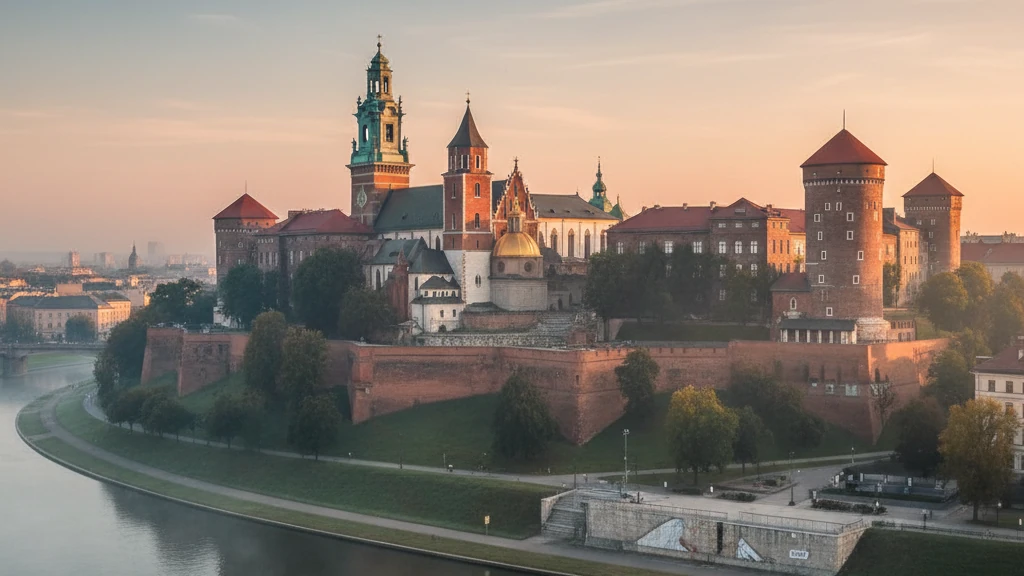
The summer school holidays represent Poland's warmest and wettest period. July in Poland sees average highs of 24.7°C and lows of 15.6°C, with 80.7mm of rainfall spread across 14.0 rainy days - the highest rainfall month of the year. August follows closely with highs of 24.9°C, lows of 15.5°C, and 79.9mm of rain across 11.2 days. These temperatures suit families well, warm enough for outdoor exploration without the extreme heat found in southern European destinations, though the frequent rain showers mean packing waterproofs is essential. Afternoons can be comfortably warm for urban sightseeing in cities like Krakow and Warsaw, while evenings remain mild enough for outdoor dining without requiring heavy layers. The regular rainfall, however, means planning indoor backup activities - Poland's abundance of museums, interactive science centres and indoor play spaces becomes invaluable during wet spells. Summer holidays also coincide with peak domestic tourism, as Polish families take their own holidays, so popular attractions like Wawel Castle and the Wieliczka Salt Mine experience their busiest crowds of the year.
Easter: Unpredictable Spring Weather
Easter holidays in Poland typically fall between late March and mid-April, catching the tail end of winter and the beginning of spring. March averages 8.5°C highs and 0.3°C lows with 39.8mm of rain across 10.2 days, while April warms to 13.8°C highs and 4.3°C lows with 48.5mm across 10.6 rainy days. This transitional period means layered clothing is crucial - mornings can be genuinely cold while afternoons occasionally reach comfortable temperatures for outdoor activities. Easter represents a significant cultural moment in Poland, with special church services, traditional food markets and unique customs that offer families authentic cultural experiences not available at other times. The weather variability, however, makes planning outdoor-heavy itineraries risky - one day might allow pleasant park visits and bike rides, while the next could require retreating to indoor attractions. Crowds during Easter are moderate rather than overwhelming, as international tourist numbers remain lower than summer peaks, though accommodation in major cities books well in advance due to limited supply during this shorter holiday window.
October Half-Term: Autumn Chill Sets In
The October half-term holiday finds Poland firmly in autumn, with average highs of 13.7°C and lows of 6.8°C, alongside 61.7mm of rainfall across 11.7 rainy days. These conditions lean decidedly cool, requiring proper autumn clothing including warm jackets, and the shorter daylight hours limit sightseeing time compared to summer visits. For families interested in Poland's historic cities, however, October offers distinct advantages - the golden autumn colours in parks and along tree-lined streets create atmospheric backdrops for photography, and the cooler weather suits walking-intensive city exploration better than summer heat. Museums and indoor attractions feel particularly appropriate at this time of year, and the seasonal shift means fewer tour groups and shorter queues at major sights compared to July and August. The weather does not typically support extended outdoor activities like hiking in mountain regions, and coastal areas have generally closed their summer facilities by this point, but urban-focused itineraries work well if families come prepared with appropriate clothing and realistic expectations about the autumnal conditions.
Managing Temperature Extremes with Children
While Poland does not experience the intense heat of Mediterranean destinations, the July and August temperatures of around 24-25°C can still feel warm during midday urban sightseeing, particularly in historic city centres where stone buildings and cobbled squares retain heat. Families should plan indoor activities during the warmest afternoon hours, schedule major walking tours for morning or evening, and ensure children stay hydrated throughout the day. The frequent summer rainfall, with 14.0 rainy days in July and 11.2 in August, actually provides natural cooling breaks, though it requires flexibility in daily plans. For Easter and October half-term visits, the challenge shifts to managing cooler temperatures - layering becomes essential, as mornings might start at 0.3°C in March or 6.8°C in October, while afternoons warm sufficiently to make heavy coats uncomfortable. Thermal underlayers work well for young children who feel the cold more acutely, and having indoor backup options prevents weather from derailing entire days when temperatures or rain make outdoor activities unpleasant.
Beating the Crowds During Peak Season
School holiday periods in Poland coincide with both domestic and international tourist peaks, particularly during July and August when families worldwide travel simultaneously. Strategic timing helps minimise crowd impact - visiting major attractions immediately when they open or during typical meal times reduces queuing, while booking skip-the-line tickets in advance for popular sites like Auschwitz-Birkenau or the Warsaw Uprising Museum proves essential. Choosing accommodation outside immediate historic centres but near public transport allows families to start their days earlier before day-trippers arrive, and exploring lesser-known attractions provides quality experiences without the masses. Cities like Gdansk, Wroclaw and Torun offer comparable historic interest to Krakow but with notably smaller crowds even during peak summer. The Easter and October half-term periods see substantially lighter tourist numbers than summer holidays, though accommodation availability tightens during these shorter windows, making early booking critical.
Booking Strategy for School Holiday Windows
Accommodation prices rise during school holidays, particularly in July and August, with the best-located family rooms in popular cities booking months ahead. Securing lodging as early as possible - ideally six months before travel for summer holidays - provides better availability and rates. Easter and October half-term require three to four months advance booking, as these shorter holiday periods compress demand into narrower date ranges. Transport bookings also benefit from early planning, as train routes between major cities fill quickly and flight prices climb as departure dates approach. Attraction tickets for time-specific entry slots, particularly at Auschwitz-Birkenau which requires advance booking regardless of season, should be secured immediately after finalising travel dates. Package deals rarely offer advantages for Poland travel, as independent booking typically provides better flexibility and value, but families should confirm cancellation policies given that weather during Easter and October can occasionally disrupt travel plans more severely than stable summer conditions.
Which Peak Holiday Period Works Best
Among the three main school holiday windows, each presents distinct advantages and challenges. Summer holidays offer the warmest weather with highs around 24-25°C and the longest daylight hours for sightseeing, but bring the highest rainfall totals - 80.7mm in July and 79.9mm in August - alongside the largest crowds and premium pricing. Easter provides authentic cultural experiences and moderate crowds with temperatures reaching 13.8°C in April, but weather unpredictability with lows near freezing in March makes planning challenging. October half-term delivers the lightest crowds and attractive autumn scenery with temperatures of 13.7°C, though the cool conditions with lows of 6.8°C and 61.7mm of rain limit outdoor activities. For families prioritising weather reliability and extended daylight, summer holidays work best despite the crowds and rain frequency. Those seeking cultural immersion with fewer tourists might prefer Easter, accepting weather variability. Families comfortable with cooler conditions who value crowd avoidance find October half-term most appealing, particularly for city-focused itineraries.
FAQ
What should families pack for visiting Poland with kids during the summer school holidays in July and August?
Summer visits require versatile clothing for temperatures around 24-25°C during the day and 15-16°C at night, but waterproof jackets and sturdy rain gear are essential given that July sees 14.0 rainy days and August 11.2 rainy days with substantial rainfall totals. Pack layers that can be added or removed as weather shifts, comfortable walking shoes that handle wet cobblestones, and a compact umbrella or rain cover for pushchairs. Sun protection including hats and sunscreen remains important for sunny spells, while a light sweater or fleece works for cooler evenings.
How difficult is it to visit Poland's major attractions with children during peak summer school holidays when crowds are at their highest?
Major attractions experience significant crowds during July and August when domestic and international tourism peaks simultaneously, but advance booking, early morning visits and strategic planning mitigate most challenges. Sites like Wawel Castle, the Main Market Square in Krakow and Warsaw's Old Town become notably busy during midday hours, making early starts or late afternoon visits more comfortable for families. Pre-booking timed entry tickets eliminates most queuing, and Poland's extensive public transport networks allow families to base themselves outside busy centres and arrive before day-trippers, making peak-season visits manageable with proper planning.
Is Poland too cold to visit with young children during October half-term or should families wait for warmer months?
October in Poland sees average highs of 13.7°C and lows of 6.8°C with 61.7mm of rainfall across 11.7 rainy days - conditions that suit urban exploration well with appropriate clothing but limit extended outdoor activities. Families comfortable with autumn weather and prepared with warm layers, waterproof outerwear and realistic expectations about shorter daylight hours find October perfectly viable for city-focused itineraries centred on museums, historic sites and indoor attractions. The cooler temperatures actually make walking-intensive sightseeing more comfortable than summer heat, while substantially lighter crowds and attractive autumn scenery provide distinct advantages, though beach trips and mountain hiking become impractical at this time of year.
What kind of weather should families expect when visiting Poland with kids during Easter school holidays and how unpredictable is it?
Easter in Poland falls during the March-April transition when weather remains genuinely variable, with March averaging 8.5°C highs and 0.3°C lows, while April reaches 13.8°C highs and 4.3°C lows, alongside 39.8-48.5mm of rainfall. This unpredictability means families might experience anything from late winter cold requiring proper coats and warm layers to pleasant spring days allowing comfortable outdoor exploration, often within the same trip. The key to successful Easter visits lies in packing versatile layered clothing, maintaining flexible daily itineraries with indoor backup options, and focusing on cultural experiences like traditional Easter markets and church celebrations rather than planning around guaranteed outdoor weather conditions.
Weather data: open-meteo (ERA5 reanalysis, 2014-2023 averages). Reviewed and updated periodically.