
Spain vs Portugal for Families: Which to Pick?

Choosing between Spain and Portugal for a family holiday means weighing sunshine, beaches, cultural attractions, and practical concerns like crowds and budgets. Both Iberian neighbours offer family-friendly destinations, warm Mediterranean and Atlantic climates, and rich histories - yet their weather patterns, peak seasons, and on-the-ground experiences differ in ways that matter when travelling with children. This guide compares the two countries head-to-head using real climate data, seasonal crowd dynamics, and family suitability to help you decide which destination fits your family's needs.
Quick Verdict: Who Should Pick Which?
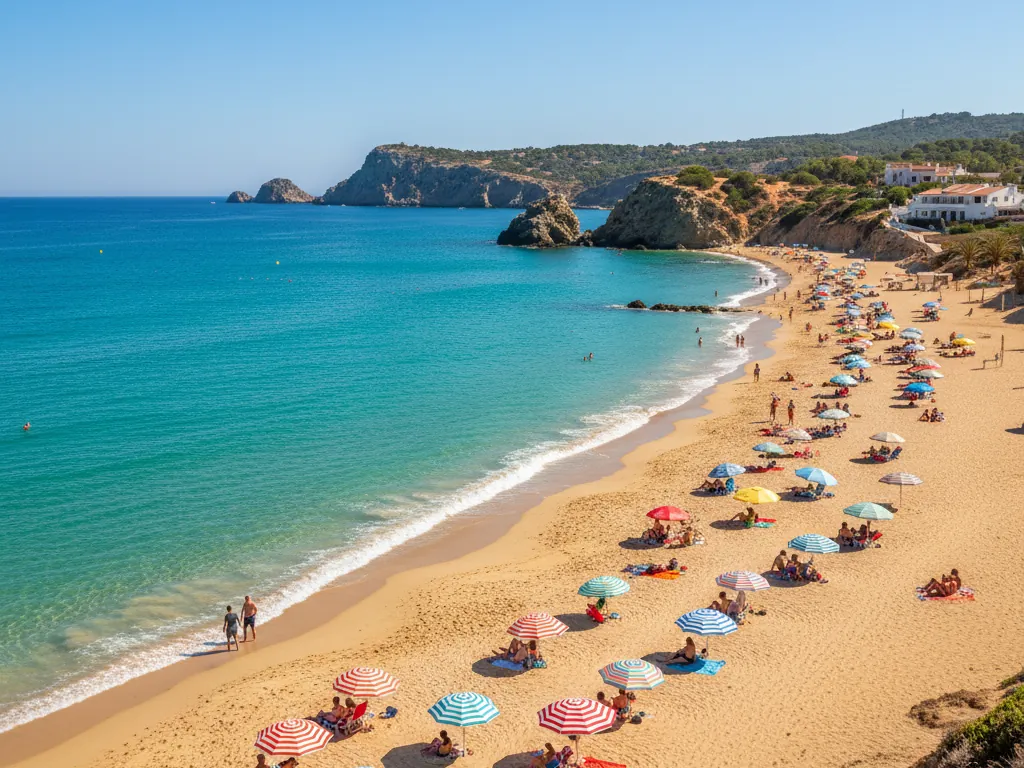
Portugal suits families seeking milder summer heat, dramatic Atlantic coastlines, and slightly lower peak-season pressure. Spain appeals to families who want hotter, drier summers, a wider variety of beach and mountain destinations, and more extensive theme-park and activity infrastructure. Both countries shine in late spring and early autumn, but their summer climates diverge enough to influence comfort with young children. Budget-conscious families often find Portugal marginally easier on the wallet outside major tourist hubs, while Spain's sheer scale offers more choice at every price point.
Weather Compared: Spain vs Portugal
Spain's interior (represented by Madrid) experiences a more continental climate with hotter summers and colder winters than Portugal's Atlantic-facing capital, Lisbon. July in Madrid sees average highs of 33.9°C and lows of 19.9°C with only 7.9 mm of rain across just over one rainy day, creating reliably dry, intensely hot conditions ideal for families committed to air-conditioned accommodation and evening outings. August remains similarly scorching at 33.0°C. By contrast, Lisbon's July peaks at a more temperate 27.3°C with 18.0°C overnight and a mere 2.3 mm of rainfall, while August reaches 27.9°C - still warm and sunny, but five to six degrees cooler than Madrid, which many families with toddlers and babies find more manageable for daytime sightseeing and beach play.
| Month | Avg high | Avg low | Rainfall | Rainy days |
|---|---|---|---|---|
| January | 10.1°C | 1.2°C | 37.6 mm | 6.9 |
| February | 12.9°C | 2.5°C | 28.2 mm | 5.6 |
| March | 15.9°C | 4.7°C | 49.3 mm | 8.2 |
| April | 19.0°C | 7.5°C | 61.2 mm | 9.4 |
| May | 24.3°C | 11.6°C | 31.0 mm | 6.1 |
| June | 29.4°C | 16.3°C | 16.3 mm | 3.9 |
| July | 33.9°C | 19.9°C | 7.9 mm | 1.2 |
| August | 33.0°C | 19.4°C | 10.9 mm | 1.6 |
| September | 26.8°C | 15.1°C | 51.5 mm | 5.3 |
| October | 21.7°C | 10.9°C | 62.9 mm | 7.6 |
| November | 14.3°C | 5.8°C | 54.9 mm | 8.8 |
| December | 11.4°C | 3.1°C | 45.2 mm | 6.9 |
Winter differences are equally notable. January in Madrid drops to 10.1°C during the day and 1.2°C at night with 37.6 mm of rain over nearly seven days, while Lisbon stays milder at 14.3°C and 8.9°C with 51.6 mm over eight rainy days. Portugal's maritime influence keeps temperatures steadier year-round but brings more winter precipitation. For families considering a Christmas or February half-term break, Lisbon offers gentler conditions, though both destinations remain cooler and wetter than summer and require layered clothing and indoor backup plans.
| Month | Avg high | Avg low | Rainfall | Rainy days |
|---|---|---|---|---|
| January | 14.3°C | 8.9°C | 51.6 mm | 8.0 |
| February | 15.4°C | 9.3°C | 53.6 mm | 7.5 |
| March | 17.0°C | 10.3°C | 54.0 mm | 8.0 |
| April | 19.0°C | 12.0°C | 65.3 mm | 9.3 |
| May | 22.6°C | 14.6°C | 39.8 mm | 4.6 |
| June | 24.6°C | 16.4°C | 13.8 mm | 3.7 |
| July | 27.3°C | 18.0°C | 2.3 mm | 0.7 |
| August | 27.9°C | 18.4°C | 1.5 mm | 0.6 |
| September | 25.8°C | 17.7°C | 40.9 mm | 5.0 |
| October | 22.9°C | 15.9°C | 74.3 mm | 9.3 |
| November | 17.7°C | 12.3°C | 85.3 mm | 10.6 |
| December | 15.6°C | 10.3°C | 78.6 mm | 7.7 |
Spring and autumn present the sweet spot for both countries. May in Madrid averages 24.3°C with just 31.0 mm of rain, while Lisbon reaches 22.6°C with 39.8 mm - both warm enough for comfortable touring and outdoor meals without the searing heat or peak crowds. September mirrors this pattern: Madrid at 26.8°C and Lisbon at 25.8°C, with moderate rainfall that rarely disrupts plans. These shoulder months deliver the best balance of weather, crowd levels, and family comfort.
Best Time to Visit Spain with Kids
For beach holidays on Spain's Mediterranean coast, June through early September offers guaranteed sunshine and warm sea temperatures, with July and August delivering the hottest, driest weather. Families tolerant of heat and crowds will find these months packed with festivals, open attractions, and buzzing resort towns. However, the intensity of July and August heat - especially inland - can challenge families with very young children; shade, hydration, and midday breaks become essential.
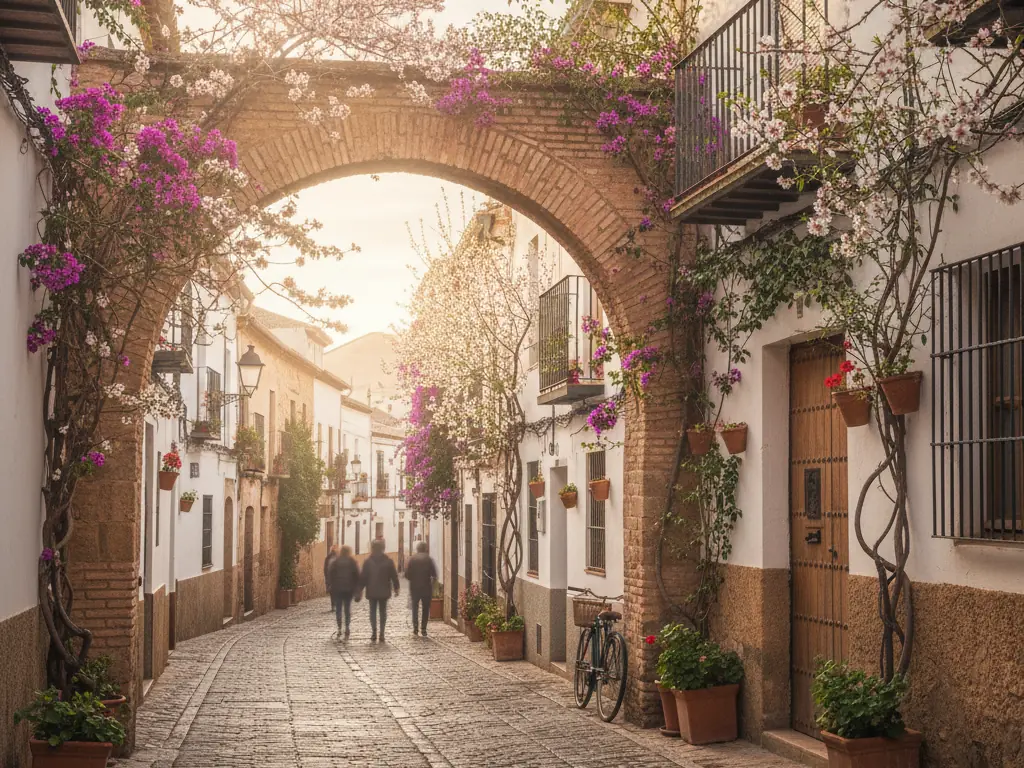
Late May, early June, and September represent the optimal windows for families seeking Spain's best weather without the extremes. Temperatures remain warm enough for swimming and outdoor adventure, rainfall stays low, and popular sites like Barcelona's Sagrada Familia or Madrid's museums see shorter queues. School-holiday travellers should book well ahead for late August and early September, when many European families also target the shoulder season. Winter months suit city-focused itineraries in southern Spain - Seville and Granada stay relatively mild - but expect cooler evenings and occasional rain.
Best Time to Visit Portugal with Families
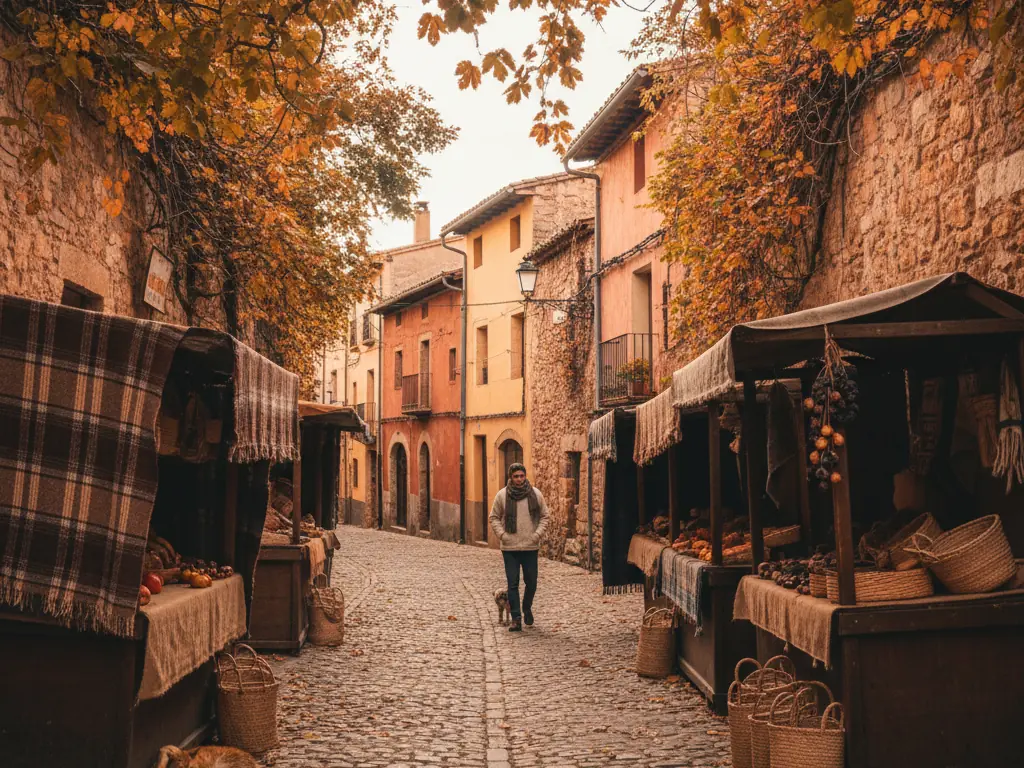
Portugal's Atlantic coastline and southern Algarve region thrive from late May through September, with July and August bringing the warmest, driest conditions. The Algarve especially benefits from Spain's rain-shadow effect, staying sunnier than Lisbon. June and September offer the most family-friendly compromise: Lisbon and Porto see average highs in the mid-twenties Celsius, minimal rain, and far thinner crowds than peak summer, making sightseeing with strollers and tired legs significantly easier.
Lisbon and Porto remain viable in April and October for families prioritising culture and city exploration over beach time, though October's 74.3 mm and 85.3 mm rainfall (Lisbon and surrounds) mean packing waterproofs and planning indoor activities like the Lisbon Oceanarium or Porto's riverside museums. Winter visits work for hardy families drawn to festive markets and off-season pricing, but expect frequent rain, especially in November and December, when Lisbon records over 78 mm and more than seven rainy days per month.
Crowds and Costs: Seasonal Dynamics
Both Spain and Portugal experience pronounced peak seasons in July and August, when domestic and northern European holidaymakers flood coastal resorts, historic cities, and islands. Accommodation prices rise, restaurants fill early, and major attractions require advance tickets or long waits. Families travelling during school holidays should expect these conditions and budget accordingly, booking lodging and any must-see experiences months ahead.
Shoulder seasons - May, June, and September - bring noticeably thinner crowds and more competitive pricing for hotels and holiday rentals in both countries. Flights also tend to cost less outside the July-August window, and families gain flexibility for spontaneous restaurant choices and day trips. Portugal's shoulder season can feel particularly relaxed compared to Spain's, simply because overall visitor numbers remain lower year-round, though Lisbon and the Algarve still see significant tourist traffic.
Low season spans November through March, when both countries offer the lowest accommodation rates and quietest streets. Winter travel suits families on tight budgets who prioritise sightseeing over beach time and don't mind cooler, wetter weather. Coastal resorts may see reduced restaurant and activity hours, but cities like Madrid, Barcelona, Lisbon, and Porto remain fully operational with museums, parks, and cultural programming tailored to locals and off-season visitors alike.
Beaches, Activities, and Family Infrastructure
Spain's geographic diversity delivers Mediterranean beaches with calm, warm waters on the Costa Brava and Costa del Sol, Atlantic surf on the northern coast, and volcanic beaches in the Canary Islands. Theme parks like PortAventura near Barcelona, water parks across the costas, and child-friendly museums in Madrid and Barcelona provide rainy-day or heat-escape options. Spain's tourism infrastructure is deep and well-developed, with family rooms, kids' menus, and stroller-accessible sights widely available.
Portugal's Algarve boasts stunning cliff-backed beaches, rock pools for exploring, and calmer southern bays ideal for toddlers, while the Costa Vicentina offers dramatic Atlantic scenery for older children. Lisbon's trams, hilltop castles, and interactive science museum (Pavilhão do Conhecimento) engage curious kids, and Porto's riverside walks and boat trips suit family pacing. Portugal's smaller scale means less sprawl and shorter transfer times, but fewer mega-attractions; families seeking major theme parks will find Spain's offerings more extensive.
Both countries serve child-friendly cuisine - think grilled fish, rice dishes, pastries, and fresh fruit - though Spain's tapas culture and Portugal's pastel de nata bakeries become instant family favourites. Public transport in major cities is affordable and efficient, and English is increasingly spoken in tourist areas, easing navigation for non-Spanish or Portuguese speakers.
Which Family Should Pick Which?
Choose Spain if your family thrives in hot, dry summer weather, wants access to major theme parks and diverse beach regions, or plans a longer trip that covers multiple climates and landscapes. Spain suits families with older children ready for adventure sports, cultural deep dives, and varied terrain from mountains to islands. The country's extensive tourist infrastructure and wide range of accommodation styles - from rural casas to city aparthotels - support every travel style and budget.
Choose Portugal if you prefer milder summer temperatures, a slower travel pace, and a more intimate scale. Portugal appeals to families with toddlers or babies who benefit from cooler daytime highs in July and August, as well as those seeking dramatic coastal scenery, charming historic towns, and less overwhelming crowds even in peak season. Families prioritising walkable cities, shorter distances between destinations, and a gentler cost structure often find Portugal the better fit.
For families torn between the two, consider splitting a longer trip - fly into Lisbon, explore Portugal's coast and capital, then cross into southern Spain for Seville and the Andalusian countryside, or vice versa. Both countries reward flexible itineraries and spontaneous exploration, especially outside the peak summer crush.
Packing and Practical Considerations
Summer travellers to either country need high-factor sunscreen, hats, lightweight breathable clothing, and reusable water bottles - hydration becomes critical in Spain's July and August heat. Swimwear, rash guards for children, and sand toys suit beach-focused itineraries. Shoulder-season visitors should pack layers, a light rain jacket, and closed-toe shoes for variable conditions, particularly in Portugal where coastal breezes and sudden showers occur even in May and September.
Winter travel demands warmer layers, waterproof outerwear, and indoor activity plans. Neither country experiences severe cold, but heating in older buildings can be inconsistent, and rain disrupts outdoor sightseeing. Families should bring entertainment for downtime - books, tablets, travel games - and research indoor attractions in advance. EU citizens enjoy seamless travel; others should verify visa requirements and ensure passports have adequate validity.
FAQ
Is Spain or Portugal better for a family beach holiday in summer?
Portugal offers milder summer temperatures - Lisbon averages 27.3°C in July compared to Madrid's 33.9°C - making it more comfortable for families with young children who struggle in intense heat. Spain's Mediterranean coast delivers hotter, drier conditions ideal for families prioritising guaranteed sunshine and warm sea temperatures. Both countries provide excellent beaches; the choice depends on your family's heat tolerance and preferred activity level during the hottest months.
When is the cheapest time to visit Spain and Portugal with kids outside school holidays?
May, early June, and late September through October offer the best value in both countries, with lower accommodation costs, fewer crowds, and still-pleasant weather. May in Madrid sees 24.3°C and minimal rain, while Lisbon reaches 22.6°C - warm enough for outdoor exploration without peak-season pricing. November through March brings the lowest prices but cooler, wetter conditions; Lisbon records over 78 mm of rain in December, requiring indoor backup plans.
Which country has better weather for travelling with toddlers and babies?
Portugal's milder summer climate suits families with very young children who need moderate temperatures for naps, stroller walks, and outdoor play. Lisbon's July high of 27.3°C and August's 27.9°C remain warm but manageable, whereas Spain's interior heat - Madrid reaches 33.9°C in July - can overwhelm infants and toddlers. Both countries shine in May and September, when temperatures sit comfortably in the low to mid-twenties Celsius with low rainfall and gentle conditions for all ages.
Can you visit both Spain and Portugal in one family trip?
Yes, combining both countries works well for families with older children and flexible schedules. Lisbon to Seville takes under four hours by car, and southern Portugal's Algarve lies close to Andalusia's white villages and beaches. A two-week itinerary might cover Lisbon, the Portuguese coast, and southern Spain, or focus on Porto and northern Spain's Galicia region. Shorter trips benefit from concentrating on one country to minimise travel time and maximise experiences, especially with younger children who tire easily.
Weather data: open-meteo (ERA5 reanalysis, 2014-2023 averages). Reviewed and updated periodically.


