Visiting Switzerland with Kids in the School Holidays
Switzerland ranks among Europe's most family-friendly destinations, but visiting during school holidays means navigating peak-season crowds, higher accommodation costs, and weather that varies dramatically between summer and spring breaks. Families bound by term dates face a trade-off: July and August offer warm mountain weather ideal for hiking and lake swimming, while Easter and October half-term bring cooler temperatures better suited to city sightseeing and indoor attractions. Understanding the climate patterns and crowd dynamics for each holiday period helps families choose the right Switzerland experience and plan accordingly.
| Month | Avg high | Avg low | Rainfall | Rainy days |
|---|---|---|---|---|
| January | 4.6°C | -1.4°C | 99.3 mm | 14.2 |
| February | 7.1°C | -0.8°C | 71.8 mm | 12.0 |
| March | 10.8°C | 1.2°C | 66.3 mm | 12.0 |
| April | 14.7°C | 4.4°C | 89.7 mm | 12.1 |
| May | 17.8°C | 8.5°C | 131.5 mm | 16.7 |
| June | 23.2°C | 13.6°C | 117.6 mm | 14.3 |
| July | 24.8°C | 15.5°C | 133.3 mm | 15.0 |
| August | 24.2°C | 15.3°C | 125.5 mm | 13.3 |
| September | 20.1°C | 11.8°C | 83.1 mm | 11.4 |
| October | 15.5°C | 7.6°C | 86.1 mm | 11.6 |
| November | 9.1°C | 3.1°C | 94.8 mm | 13.0 |
| December | 5.7°C | 0.0°C | 97.6 mm | 14.3 |
The Summer Holidays Reality: July and August
July and August represent peak season across Switzerland, when temperatures in Zurich average 24.8°C and 24.2°C respectively, with nighttime lows around 15°C providing comfortable sleeping conditions. These months bring substantial rainfall - 133.3mm in July and 125.5mm in August - spread across roughly 13 to 15 rainy days per month, meaning families should expect afternoon thunderstorms particularly in mountain regions. The warm, settled periods between storms create ideal conditions for Alpine hiking, lake activities, and cable car excursions, but popular destinations like Lucerne, Interlaken, and the Jungfrau region experience maximum visitor numbers. Accommodation prices reach their annual peak, mountain railways run at capacity, and iconic viewpoints can feel overcrowded during mid-morning through early afternoon. Families traveling in summer holidays benefit from the most reliable weather for outdoor activities and the longest daylight hours, but must accept sharing Switzerland's attractions with visitors from across Europe and beyond.
Easter Break in Switzerland
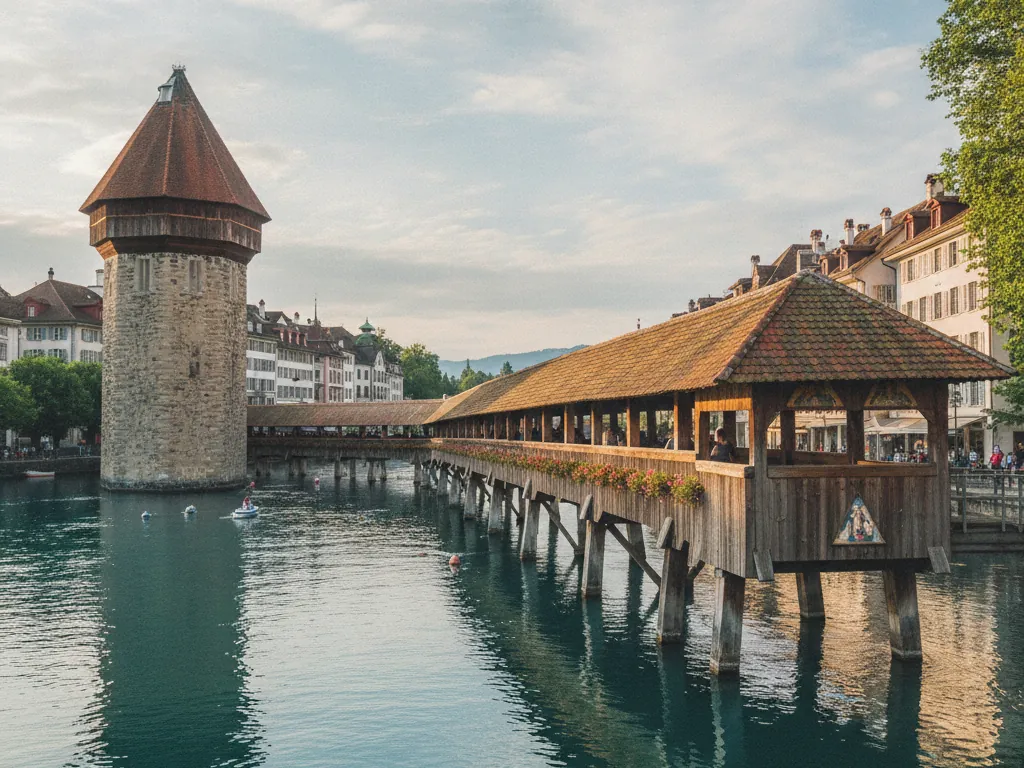
Easter timing varies annually, typically falling between late March and late April when Switzerland experiences spring transition weather. March temperatures average 10.8°C highs and 1.2°C lows with 66.3mm rainfall, while April warms to 14.7°C highs and 4.4°C lows with 89.7mm precipitation. Snow remains abundant at higher elevations during Easter, making this period suitable for families seeking late-season skiing without the extreme cold of January and February. Lower elevation cities like Zurich, Lucerne, and Geneva experience cool but manageable conditions for sightseeing, though families should pack layers and waterproof outerwear. Crowds during Easter week reach significant levels at ski resorts still operating, while city attractions see moderate visitor numbers compared to summer peak. The shoulder-season pricing makes Easter more affordable than summer holidays, and the combination of skiing possibilities alongside emerging spring weather in valleys offers diverse activity options for families with varied interests.
October Half-Term Conditions
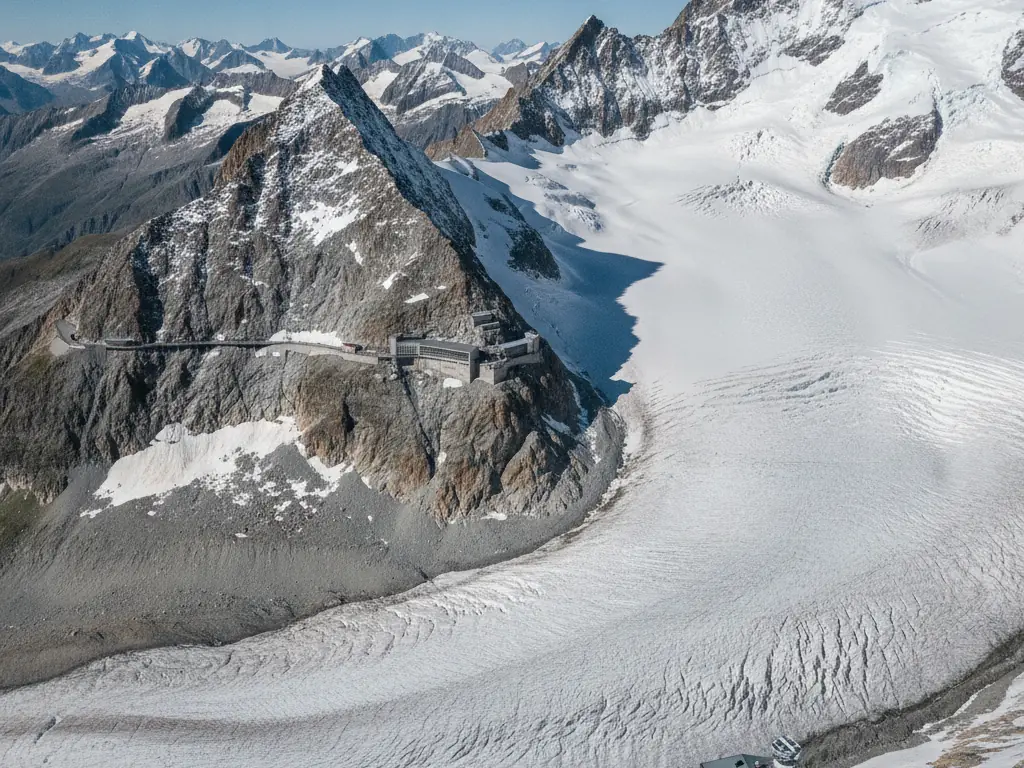
October half-term typically occurs mid-month when Switzerland transitions into autumn, with average high temperatures of 15.5°C and lows of 7.6°C in Zurich. Rainfall measures 86.1mm across approximately 11 to 12 rainy days, making October drier than summer months but requiring weather-appropriate clothing. Mountain regions begin closing seasonal attractions and cable cars for maintenance before winter operations commence, limiting high-altitude options for families. This period favours city-based itineraries focused on museums, chocolate factories, old towns, and indoor cultural attractions, with the added benefit of autumn foliage enhancing lakeside and urban park settings. Crowds thin considerably compared to summer, and accommodation costs drop from peak-season rates. Families should verify operating schedules for mountain attractions before booking, as many Alpine destinations shut down completely during the transition period between summer and winter seasons. The cooler temperatures suit active families comfortable with brisk walking weather but prove challenging for very young children requiring frequent outdoor breaks.
Managing Heat and Weather with Children
Switzerland's summer holiday temperatures rarely reach uncomfortable levels for families, with highs around 24°C representing pleasant warmth rather than oppressive heat. The greater challenge involves managing the frequent rainfall that characterizes July and August in Switzerland, when afternoon thunderstorms can disrupt outdoor plans. Families should build flexibility into daily itineraries, planning indoor alternatives for rainy spells and scheduling mountain excursions for morning hours before storms typically develop. Switzerland's excellent network of covered attractions - including aquariums, interactive museums, indoor play centres, and covered swimming complexes - provides weather backup options in every major town. Lake regions offer relief during warm spells, with designated swimming areas featuring shallow sections suitable for younger children. The moderate temperatures mean families can engage in active hiking and cycling without heat exhaustion concerns that plague Mediterranean destinations during school holidays, though sun protection remains essential at higher elevations where UV exposure increases with altitude.
Beating the Crowds During Peak Periods
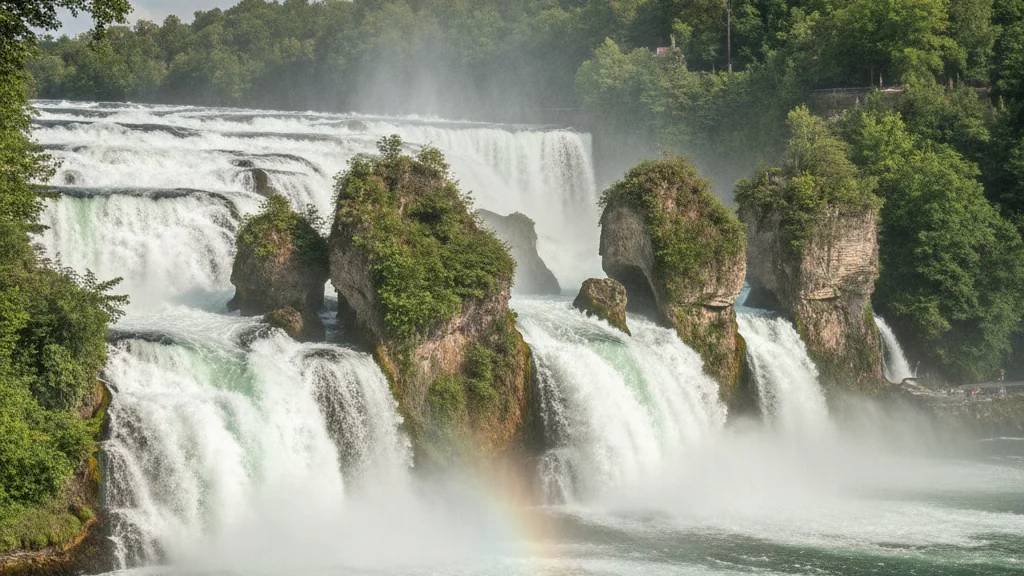
Switzerland's compact size and efficient transport network create concentration points where crowds converge regardless of season, particularly at headline attractions like the Jungfraujoch, Matterhorn viewpoints, and Rhine Falls. Families visiting during school holidays gain advantage by adjusting daily schedules, starting mountain excursions on first cable cars before mid-morning tour groups arrive, and visiting popular cities midweek rather than weekends when domestic Swiss families join tourists. Lesser-known regions like Appenzell, the Emmental valley, and smaller lake towns around Lake Constance offer authentic Swiss experiences with fraction of the visitor numbers found in Interlaken or Zermatt. Booking accommodation in smaller towns outside main tourist centres provides quieter bases while maintaining easy train access to major attractions. Many Swiss cities offer extended museum hours during summer, allowing families to visit popular indoor attractions during late afternoon when day-trippers have departed. Pre-booking mountain railway tickets and museum entries online reduces queuing time significantly during peak weeks.
Booking Strategy for School Holiday Travel
Switzerland's accommodation and transport infrastructure experiences intense demand during school holiday periods, requiring families to book well in advance for best availability and rates. Mountain resort hotels and city centre properties fill earliest, particularly for July and August when European, Asian, and North American school holidays overlap. Families seeking apartment rentals gain kitchen facilities that reduce meal costs - significant given Switzerland's expensive restaurant prices - and should target properties outside immediate tourist zones where rates moderate slightly. The Swiss Travel Pass system offers fixed-price transport covering trains, buses, and many mountain railways, providing cost certainty when booked in advance and avoiding per-journey ticket purchases during the trip. Many museums and attractions offer family combination tickets that reduce per-person costs compared to individual adult and child entries. Package deals bundling accommodation with lift passes or activity vouchers sometimes offer better value than booking components separately, though families should verify cancellation terms given Switzerland's unpredictable weather that can disrupt mountain plans.
Which Peak Holiday Period Works Best
Families prioritizing outdoor mountain activities find July and August deliver the most reliable conditions despite maximum crowds and costs, with warm temperatures and long daylight hours offsetting the frequent rainfall. The weather during these months supports the full range of Swiss family attractions from Alpine hiking to lake swimming, cable car excursions to outdoor adventure parks. Easter break suits families comfortable with cooler conditions who value lower costs and reduced crowds, particularly those interested in late-season skiing or city-focused itineraries that perform well in spring weather. October half-term presents the most challenging option for families seeking classic Swiss mountain experiences, as many high-altitude attractions close for seasonal transition, though this period rewards city-focused trips with autumn scenery and thin crowds. Budget-conscious families find Easter and October offer meaningful savings on accommodation and sometimes flights, while those with flexible funds but inflexible school calendars should accept July and August as the premium-priced but weather-reliable choice for experiencing Switzerland's outdoor highlights with children.
FAQ
What should families pack for Switzerland during summer school holidays in July and August?
Families need layered clothing for varying elevations, including t-shirts and shorts for warm valley days around 24°C, plus fleeces and waterproof jackets for mountain elevations where temperatures drop significantly and afternoon thunderstorms develop frequently. Pack closed-toe hiking shoes with good grip for mountain trails, sun hats and high-SPF sunscreen for UV protection at altitude, and a compact umbrella or rain poncho for each family member. Swimming gear suits lake activities during settled weather periods.
How bad are the crowds at popular Swiss attractions during school holidays compared to other times?
Major attractions like Jungfraujoch, Rhine Falls, and Lucerne's Chapel Bridge experience substantially higher visitor numbers during school holidays, particularly July and August when multiple countries' holidays coincide. Cable car queues extend during mid-morning through early afternoon, mountain restaurants fill to capacity at lunchtime, and popular hiking trails become congested. Early morning visits and midweek timing help somewhat, but families should expect sharing Switzerland's headline attractions with significant crowds during any school holiday period.
Can families do much in Switzerland during October half-term or do most mountain attractions close?
October half-term catches Switzerland's transition period when many Alpine attractions close for maintenance between summer and winter operations. Cable cars to high viewpoints, mountain restaurants, and Alpine passes often shut down mid-October, limiting high-altitude options. Families can focus successfully on city sightseeing in Zurich, Bern, Lucerne, and Geneva where museums, old towns, and cultural attractions operate year-round, plus lower-elevation lake regions and gentle valley walks remain accessible in the 15°C temperatures typical for October.
Is Easter a good time to visit Switzerland with kids who want to see mountains but do not ski?
Easter timing determines mountain accessibility, with late March seeing more snow and closed roads than mid-April when spring conditions emerge at lower elevations. Higher mountains retain snow through Easter allowing skiing, but many viewpoint cable cars and high-altitude hiking trails remain closed or snow-covered. Families seeking mountain scenery without skiing should target lower-elevation destinations like Lucerne, Interlaken town, and lakeside areas where temperatures range from 10°C to 14°C, accepting that classic Alpine hiking requires waiting until summer holidays when trails clear and facilities open fully.
Weather data: open-meteo (ERA5 reanalysis, 2014-2023 averages). Reviewed and updated periodically.