Visiting Vietnam with Kids in the School Holidays
Families bound by term dates face a specific challenge when planning a Vietnam adventure: the country's weather and tourist patterns shift dramatically across the calendar, and school holidays don't always align with ideal conditions. July and August bring intense heat and crowds, Easter falls during rising temperatures, and October half-term coincides with Vietnam's wettest month. Understanding what each peak holiday window offers - and how to work with the climate rather than against it - makes the difference between a stressful trip and a memorable family adventure. This guide focuses exclusively on navigating Vietnam during school holidays, using climate data to help families prepare for the conditions they'll actually encounter.
| Month | Avg high | Avg low | Rainfall | Rainy days |
|---|---|---|---|---|
| January | 23.5°C | 19.9°C | 165.3 mm | 19.3 |
| February | 24.2°C | 19.9°C | 80.6 mm | 12.5 |
| March | 26.9°C | 22.4°C | 52.6 mm | 9.4 |
| April | 29.3°C | 24.4°C | 78.1 mm | 8.7 |
| May | 31.8°C | 26.4°C | 70.0 mm | 12.2 |
| June | 33.4°C | 27.3°C | 59.8 mm | 10.1 |
| July | 32.5°C | 26.8°C | 135.8 mm | 16.9 |
| August | 32.6°C | 26.7°C | 130.0 mm | 17.5 |
| September | 30.6°C | 25.7°C | 229.7 mm | 21.3 |
| October | 28.1°C | 24.4°C | 441.0 mm | 25.6 |
| November | 26.7°C | 23.3°C | 321.3 mm | 24.5 |
| December | 24.1°C | 21.3°C | 364.3 mm | 25.4 |
The Summer Holiday Reality: July and August
The main summer break places families in Vietnam during the height of the monsoon season across much of the country. July sees average highs of 32.5°C with 135.8 mm of rainfall spread across 16.9 days, while August registers similar temperatures at 32.6°C with 130.0 mm falling over 17.5 days. The combination of heat, humidity, and frequent afternoon downpours defines this period. Coastal areas like Da Nang and Hoi An experience the full force of these conditions, with sudden heavy showers that can disrupt outdoor plans. Families should expect rain on more than half the days during these months, though storms typically arrive in intense bursts rather than all-day drizzle. The upside is lush green landscapes and fewer domestic tourists compared to Vietnamese holiday periods, though international visitor numbers remain high. July edges slightly ahead of August for marginally better conditions, with fractionally less rainfall and comparable temperatures.

Easter School Holidays
Easter timing varies year to year, but typically falls between late March and late April, placing families in Vietnam's transitional shoulder season. Late March offers average highs around 26.9°C with just 52.6 mm of rainfall across 9.4 days - arguably the most comfortable window in the entire school holiday calendar. April temperatures climb to 29.3°C with 78.1 mm of rain over 8.7 days, still manageable for active families. The heat hasn't yet reached its summer peak, humidity remains tolerable, and rainfall is sporadic rather than systematic. This period works well for multi-generational trips where grandparents might struggle with July's intensity. Beaches are pleasant without being uncomfortably hot, and outdoor activities like cycling through rice paddies or exploring ancient towns remain enjoyable throughout the day. Easter represents the sweet spot for families seeking easier weather conditions, though accommodation prices reflect this advantage during the holiday fortnight itself.
October Half-Term
October half-term lands families in Vietnam's wettest month by a substantial margin. Average highs of 28.1°C sound reasonable, but the 441.0 mm of rainfall across 25.6 rainy days tells the real story - expect rain on essentially every day of your trip. This is monsoon season proper, with prolonged downpours, overcast skies, and the genuine possibility of flooding in low-lying areas. Some families avoid Vietnam entirely during October, but the month has its defenders: temperatures are less punishing than summer, the countryside is spectacularly green, and tourist numbers drop significantly. Success requires the right mindset and backup plans. Indoor attractions become essential - museums, cooking classes, covered markets, and cultural performances. Waterproof gear isn't optional, and itineraries need flexibility to pivot when outdoor sites become inaccessible. October works for resilient families who can roll with disruption, but it's the hardest sell among the major school holidays.
Managing Heat and Humidity with Children
Vietnam's tropical climate during peak holidays demands specific strategies when travelling with children. The combination of temperatures exceeding 30°C and high humidity can overwhelm young bodies quickly. Structure days with early morning outings when temperatures are lowest, long midday breaks for pool time or air-conditioned rest, and late afternoon resumption of activities. Hydration becomes a constant priority - refillable water bottles should be within arm's reach always, and regular reminder breaks prevent children from becoming dehydrated before they notice thirst. Clothing matters more than families often anticipate: lightweight, loose, natural-fiber items allow sweat to evaporate, while hats and sunscreen prevent burns. Some parents pack small battery-powered fans or cooling towels. Recognize that children's tolerance for heat varies enormously - what one family manages comfortably might prove miserable for another. Adjust ambitions accordingly rather than pushing through when a child is genuinely struggling with the climate.
Beating the Crowds During Peak Season
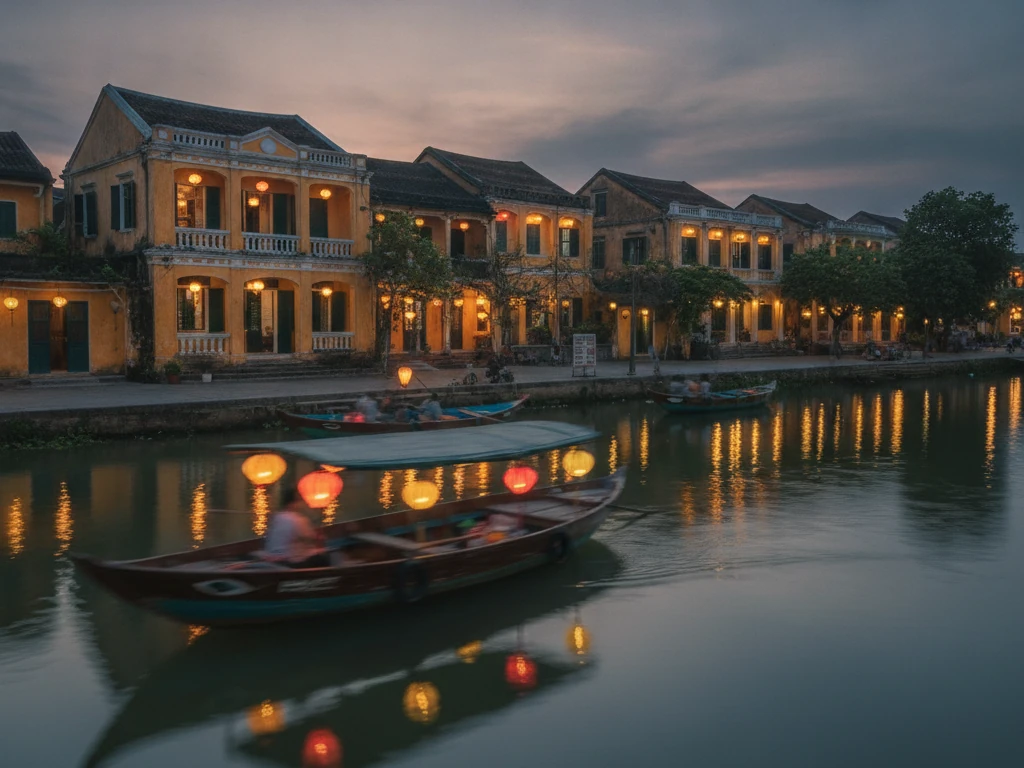
School holidays coincide with high tourist volumes throughout Vietnam, but strategic choices reduce the impact. Visit major sites either first thing in the morning or late afternoon when tour groups thin out. Popular destinations like Hoi An's Old Town or Hanoi's Old Quarter see fewer visitors during meal times - counterintuitive but effective. Consider basing yourself slightly outside headline towns: staying a short distance from the main tourist hub provides quieter accommodation and easier beach access while keeping attractions within reach. Choose lesser-known alternatives to famous sites when they offer comparable experiences - Vietnam has countless temples, beaches, and craft villages beyond the guidebook highlights. Book popular restaurants in advance rather than attempting walk-ins during peak meal hours. If possible, avoid weekend travel when domestic tourists swell crowds further. The July-to-August period sees steadier international visitor flows, while Easter and October half-term create shorter but more intense pressure on accommodation and attractions.
Booking Strategy for School Holiday Travel
Families locked into term dates face premium pricing and limited availability unless they book well ahead. Six months advance reservation is prudent for July and August travel, securing better accommodation choices and reasonable rates before desperate last-minute bookers arrive. Easter can be booked slightly later - three to four months - though early April dates disappear quickly. October half-term actually offers more flexibility due to the challenging weather putting some families off entirely. Focus booking energy on accommodation rather than tours: family-friendly hotels with pools in central locations book earliest, while activities and day trips can often be arranged closer to departure. Confirm cancellation policies carefully, particularly for October when weather might genuinely disrupt plans. Flights require earliest attention, with school holiday pricing notorious across all airlines. Consider open-jaw tickets flying into one city and out of another to maximize a north-to-south or south-to-north route without backtracking. Travel insurance with comprehensive coverage becomes essential rather than optional during monsoon months.
Which Peak Holiday Window Is Least Challenging?
If circumstances allow choosing between school holiday periods, Easter emerges as the clear winner for family travel to Vietnam. The late March to April window offers the most balanced conditions: warm but not overwhelming temperatures around 26.9°C to 29.3°C, minimal rainfall at 52.6 mm to 78.1 mm, and reasonable rainy day counts at 9.4 to 8.7 days. July and August follow as workable options for families comfortable with tropical heat and prepared for regular afternoon storms, with July marginally preferable. October half-term ranks last - manageable for adventurous families with waterproof backup plans, but genuinely difficult for those expecting typical holiday weather. The monsoon conditions during October require accepting that outdoor activities will be compromised and that flexibility matters more than itinerary adherence. Families with very young children or heat-sensitive individuals should prioritize Easter if possible, while older children and teenagers often cope better with July and August's challenges. No peak holiday window offers perfect conditions, but understanding exactly what each period delivers allows appropriate preparation rather than unwelcome surprises.
FAQ
Is it possible to visit Vietnam with young children during the summer holidays without everyone being miserable from the heat?
Success is absolutely possible with the right approach. Structure days around the heat rather than fighting it: early starts, midday breaks in air-conditioning or at the pool, and resumed activities in late afternoon. Choose accommodation with good pools as a non-negotiable requirement. Lower ambitions for distance covered and accept that some days will be primarily water-based. The 32.5°C to 32.6°C temperatures in July and August are challenging but manageable with proper pacing, hydration, and realistic expectations about what children can handle.
What should families pack specifically for dealing with Vietnam's rainy season if travelling in August or October half-term?
Lightweight rain jackets for every family member prove more practical than umbrellas when navigating crowded streets with children. Quick-dry clothing means items washed in hotel sinks can be worn the next day despite humidity. Waterproof bags protect phones and cameras during sudden downpours. Sandals or water-friendly shoes prevent the misery of sodden trainers. Pack double the usual entertainment options for hotel downtime during October's 25.6 rainy days. A positive attitude toward weather disruption matters more than any physical item - frame rain as adventure rather than disaster for children's sake.
Are Vietnam's beaches actually enjoyable for families during the peak summer holiday weeks in July and August?
Central coast beaches around Da Nang and Hoi An remain popular with families throughout July and August despite the heat and rain risk. The 32.5°C to 32.6°C temperatures make water time appealing rather than optional. Afternoon storms often arrive predictably, allowing morning beach sessions before retreating to accommodation. Sea temperatures are warm and swimming conditions generally good, though waves can be significant. The combination of heat and frequent rain makes beaches more enjoyable than intensive sightseeing during these months. Northern beaches face different patterns, while southern Vietnam experiences less rainfall during this period, offering alternatives worth considering.
How far in advance do families need to book hotels and flights to Vietnam for Easter school holidays to get reasonable availability?
Three to four months ahead gives good accommodation choice and acceptable pricing for Easter travel. Leave it later and family rooms particularly - often limited in Vietnamese hotels - disappear quickly. Flights need even earlier attention, with six months not excessive for popular routes during this brief holiday window. Easter's variable dates each year mean checking exact term break timing and booking as soon as dates are confirmed. The favorable climate conditions during late March to April with temperatures of 26.9°C to 29.3°C and minimal rainfall make this period highly competitive among families with flexibility to choose their travel window.
Weather data: open-meteo (ERA5 reanalysis, 2014-2023 averages). Reviewed and updated periodically.