What to Pack for Montenegro with Kids (Season by Season)
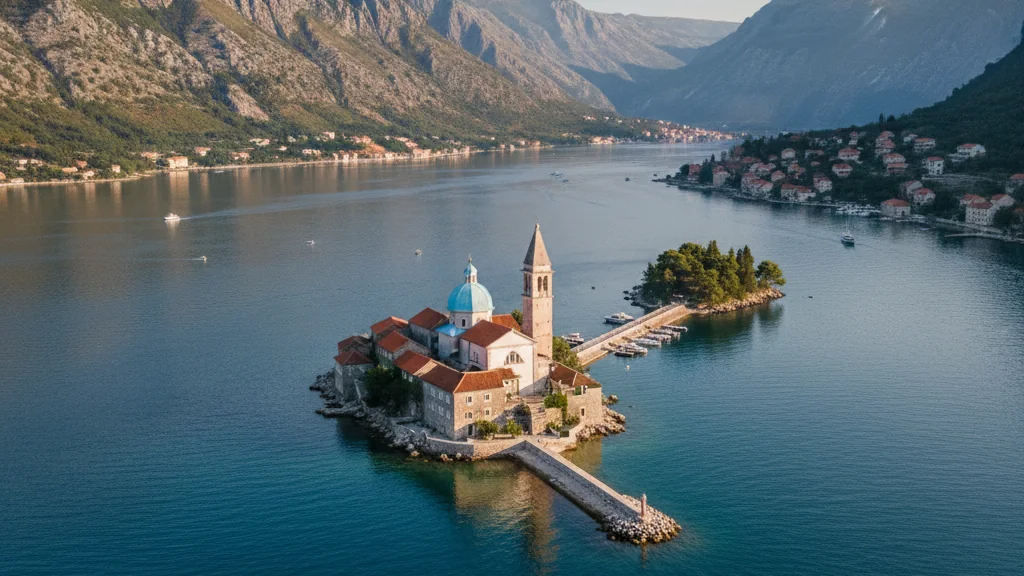
Montenegro's dramatic weather swings between seasons demand strategic packing for family travellers. Coastal Podgorica and inland destinations experience everything from wet, cool winters to scorching, bone-dry summers, with shoulder seasons offering moderate temperatures but unpredictable rainfall. This guide breaks down exactly what clothing, footwear and family essentials families need for Montenegro trips, using real climate data to ensure children stay comfortable whether exploring medieval towns, hiking mountain trails or splashing on Adriatic beaches.
| Month | Avg high | Avg low | Rainfall | Rainy days |
|---|---|---|---|---|
| January | 9.4°C | 1.4°C | 237.3 mm | 13.4 |
| February | 12.0°C | 3.6°C | 198.7 mm | 11.5 |
| March | 14.8°C | 5.4°C | 166.1 mm | 11.4 |
| April | 18.6°C | 8.9°C | 119.2 mm | 11.0 |
| May | 22.8°C | 13.2°C | 132.1 mm | 11.5 |
| June | 28.3°C | 17.9°C | 67.5 mm | 8.2 |
| July | 32.2°C | 20.6°C | 33.6 mm | 4.3 |
| August | 32.3°C | 20.9°C | 31.9 mm | 4.1 |
| September | 26.5°C | 16.6°C | 140.4 mm | 7.9 |
| October | 20.8°C | 11.6°C | 175.8 mm | 8.9 |
| November | 15.8°C | 7.8°C | 312.5 mm | 12.7 |
| December | 11.3°C | 3.3°C | 232.9 mm | 10.7 |
Spring Packing for Montenegro (March-May)
Spring in Montenegro brings steadily warming temperatures - from 14.8°C highs in March climbing to 22.8°C by May - but remains the wettest stretch outside winter, with 11-12 rainy days monthly and substantial precipitation totals. Layering becomes essential for families, as mornings start cool (5.4°C lows in March, 13.2°C in May) but afternoons grow genuinely warm by late spring. Pack lightweight long-sleeve shirts, cardigans and fleece jackets that children can shed as temperatures rise through the day. Include at least one warmer jumper for March visits when highland areas stay decidedly chilly.
Families should prioritise waterproof outer layers during spring months. With rainfall exceeding 100mm each month and frequent showers, waterproof jackets with hoods prove non-negotiable for children - choose breathable fabrics that won't overheat active kids during warmer April and May afternoons. Pack quick-dry trousers rather than jeans, which stay damp and uncomfortable after rain exposure. Bring covered shoes rather than sandals for most spring activities, though May's warmer conditions allow occasional open-toed footwear on dry days. Backpack rain covers protect electronics and spare clothing during unexpected downpours.
Summer Packing for Montenegro (June-August)
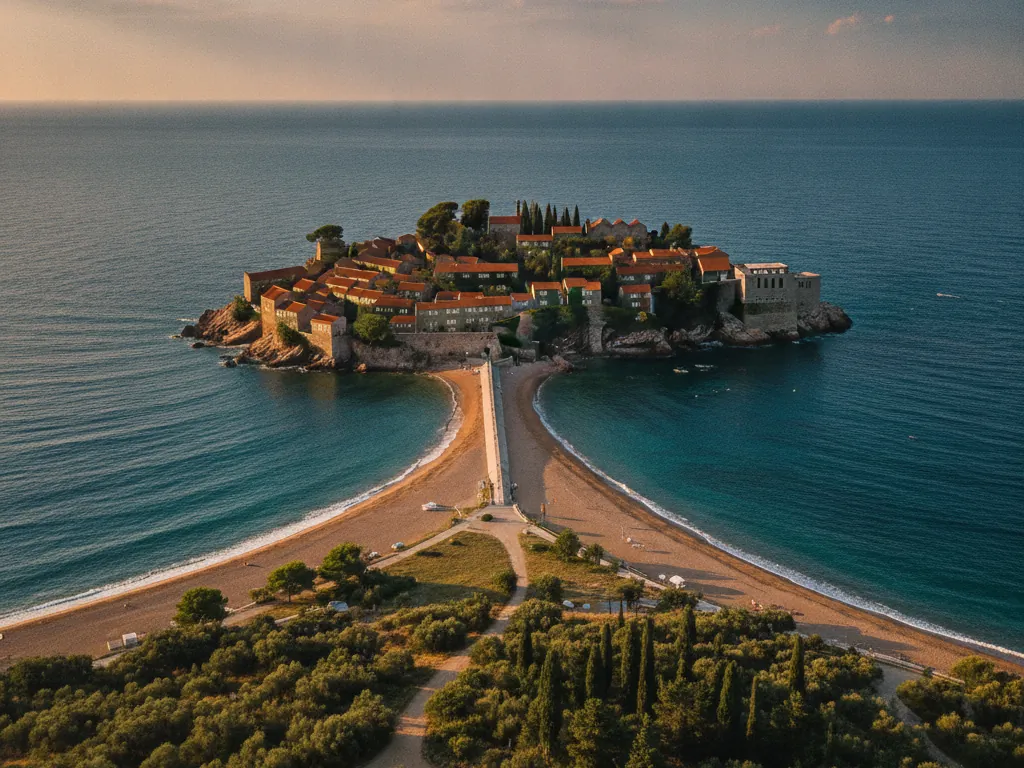
Summer transforms Montenegro into a hot, dry destination perfectly suited for beach-focused family holidays. July and August see identical highs around 32°C with overnight lows remaining above 20°C, whilst rainfall plummets to just 31-34mm monthly with only four rainy days. This dramatic shift from spring means families can pack light, focusing on breathable cotton and linen fabrics. Shorts, t-shirts, sundresses and swimwear dominate summer packing lists, with lightweight trousers or capris for modest site visits. Include one light cardigan or long-sleeve shirt for air-conditioned restaurants and buses - the contrast from outdoor heat can feel jarring to children.
June offers slightly milder conditions with 28.3°C highs and marginally more rainfall (67.5mm), making it ideal for families who find peak summer heat challenging. Even during June's gentler weather, sun protection remains critical. Pack multiple swimsuits per child to ensure dry options between beach sessions. Lightweight, loose-fitting cover-ups protect shoulders from intense Adriatic sun whilst keeping children cool. Avoid heavy fabrics entirely - synthetic moisture-wicking materials work well for active families planning hikes or cycling, but natural fibres generally prove more comfortable for younger children in extreme heat.
Autumn Packing for Montenegro (September-November)
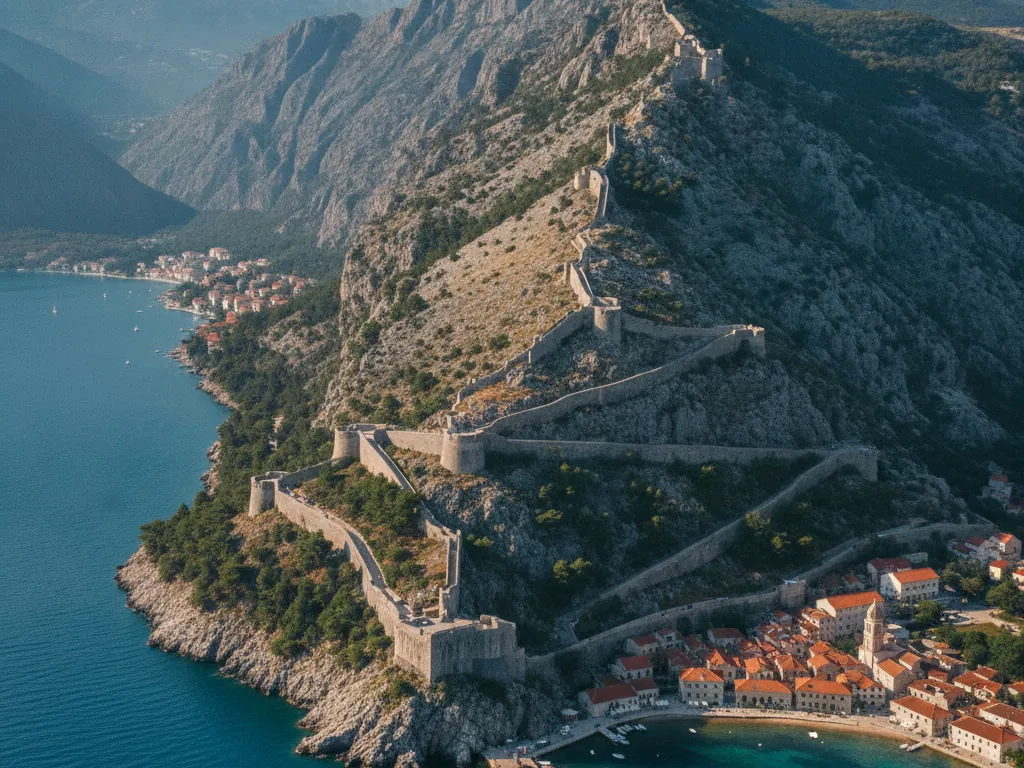
Autumn sees temperatures decline steadily from pleasant 26.5°C September highs down to cool 15.8°C by November, whilst rainfall surges dramatically - November becomes Montenegro's wettest month with 312.5mm and nearly 13 rainy days. September offers excellent conditions for families, with warm days, mild 16.6°C nights and moderate rainfall (140.4mm), making it suitable for similar packing to late spring. Include swimming gear for early autumn, as sea temperatures remain inviting and children will want beach time during sunny spells.
October and November demand progressively warmer layers as temperatures drop and rain intensifies. Pack medium-weight jumpers, long trousers and closed-toe shoes as standard, with waterproof jackets becoming daily essentials rather than precautionary items. November's combination of cool temperatures (11.6°C lows) and heavy precipitation means families should bring winter-weight fleeces, waterproof trousers for children and warm hats for mountain excursions. Thermal base layers prove valuable for November trips involving outdoor activities. The dramatic rainfall increase makes quick-dry fabrics and multiple changes of clothing sensible - children inevitably get wet despite best waterproof efforts.
Winter Packing for Montenegro (December-February)
Winter brings cool, wet conditions to Montenegro with daytime highs between 9.4°C and 12°C and nighttime lows dropping to 1.4-3.6°C. Rainfall remains substantial throughout winter months, ranging from 198.7mm to 237.3mm, with 11-13 rainy days monthly. Families require proper cold-weather gear including insulated winter coats, warm jumpers, thermal underlayers and weatherproof outer shells. Children need warm hats, gloves and scarves for outdoor exploration, particularly in highland regions where temperatures drop further and snow becomes possible.
Winter packing should assume consistently damp conditions rather than frozen weather. Waterproof boots with good insulation keep feet warm and dry, whilst waterproof trousers over jeans or thermal leggings provide essential protection during outdoor activities. Pack multiple layers rather than single heavy items - fleece mid-layers under waterproof shells allow families to adjust to varying indoor heating and outdoor exposure. Bring warm pyjamas for children, as accommodation heating varies considerably. Avoid cotton base layers which retain moisture; wool or synthetic thermal fabrics dry faster and maintain warmth even when damp from rain or perspiration.
Footwear Essentials for Family Travel
Montenegro's varied terrain and seasonal weather make footwear choices critical for family comfort. Sturdy walking shoes or lightweight hiking boots prove most versatile year-round, handling cobblestone old towns, mountain trails and uneven coastal paths equally well. Children need closed-toe shoes with good grip and ankle support for most activities - flimsy sandals or ballet flats lead to slips on wet stones and tired feet during full-day excursions.
Summer months allow sandals and water shoes as secondary options for beach days and pool time. Choose sandals with back straps and arch support rather than flip-flops, which offer poor stability on Montenegro's often-rocky beaches. Pack dedicated water shoes for children if planning significant beach time, as pebble beaches dominate the coast and can prove uncomfortable for bare feet. Waterproof walking shoes or boots become essential from October through May when rainfall and muddy trails make standard trainers inadequate. Bring at least two pairs of shoes per family member during wet seasons so one pair can dry whilst wearing the other.
Sun and Rain Protection
Sun protection demands serious attention during Montenegro summers when July and August deliver intense sunshine with minimal cloud cover. High-SPF sunscreen (factor 50) requires multiple daily applications for children, particularly during beach activities. Wide-brimmed hats with chin straps prevent loss during boat trips and coastal winds, whilst UV-protective sunglasses shield young eyes from reflected glare off water and white stone. Lightweight long-sleeve rash vests offer superior protection compared to repeatedly applying sunscreen to shoulders and backs during extended water play.
Rain protection proves necessary year-round but becomes critical from October through May. Compact folding umbrellas fit easily in daypacks for sudden spring and autumn showers, though proper waterproof jackets with hoods work better for active children who need hands free for climbing fortress walls or hiking trails. Waterproof backpack covers protect electronics, documents and spare clothing - even brief downpours can soak through standard bags. Pack waterproof pouches for phones and tablets, as children often want entertainment during rainy-day cafe stops or accommodation downtime.
Kids' Essentials Beyond Clothing
Family-specific items make Montenegro travel significantly smoother. Reusable water bottles prove essential year-round - summer heat creates constant hydration needs, whilst winter hiking demands regular fluid intake. Insect repellent becomes valuable during late spring and summer evenings, particularly near wetland areas or when dining outdoors. Small first-aid kits should include plasters, antiseptic wipes, child pain relief and any prescription medications, as specific brands may prove difficult to locate in smaller towns.
Entertainment items help during travel days and weather-related indoor periods. Download offline maps, games and films before arrival, as WiFi coverage varies outside main tourist areas. Pack lightweight travel games, colouring supplies or small activity books for restaurant waiting periods and long drives between destinations. Snack bags containing familiar treats help manage hunger between meals, particularly for fussy eaters adjusting to new cuisines. Bring child-appropriate daypacks so older children can carry their own water, snacks and entertainment, fostering independence whilst distributing family luggage weight.
What NOT to Pack for Montenegro
Avoid over-packing formal clothing - Montenegro maintains a relaxed dress code even in upscale restaurants, with smart-casual attire sufficient for virtually all situations. Leave fancy shoes, suits and elaborate dresses at home. Heavy guidebooks prove unnecessary when digital alternatives weigh nothing and offer updated information. Skip bulky beach towels, as most accommodation provides them, and many beaches offer rental options.
Excessive electronics create security concerns and packing bulk without adding value - one tablet per family suffices for children's entertainment alongside smartphones. Avoid packing full-size toiletries, as supermarkets and pharmacies stock international brands throughout Montenegro. Leave expensive jewellery behind to eliminate theft worries and insurance complications. Single-use plastic bags face increasing restrictions, so skip them in favour of reusable shopping bags. Finally, avoid rigid daily schedules and over-structured itineraries - flexibility proves more valuable than any physical item when travelling with children.
FAQ
What should families pack for a week in Montenegro during July with young children who love beaches?
Focus on lightweight, sun-protective items for July's 32°C heat and minimal rainfall. Pack multiple swimsuits per child (two to three), UV rash vests, wide-brimmed sun hats, high-factor sunscreen and water shoes for rocky beaches. Include light cotton clothing, one cardigan for air-conditioned spaces, sandals with back straps and basic evening wear for waterfront restaurants. Bring sun-protective beach tents or umbrellas if planning extended beach sessions with toddlers or babies who need shade breaks.
Do families really need waterproof jackets for Montenegro in November or will regular coats work fine?
Proper waterproof jackets prove essential for November visits when rainfall reaches 312.5mm across nearly 13 rainy days. Regular coats absorb moisture and leave children damp and uncomfortable during outdoor exploration of fortresses, old towns and natural sites. Choose breathable waterproof shells with sealed seams and hoods - these keep children genuinely dry whilst preventing overheating during active sightseeing. Waterproof trousers add extra protection for extended outdoor time in November's consistently wet conditions.
What type of shoes work best for families visiting both Montenegro's beaches and mountain areas in September?
Bring two pairs per person for September trips covering diverse terrain. Sturdy closed-toe walking shoes or lightweight hiking boots handle mountain trails, cobblestone towns and uneven paths, whilst sandals with arch support and back straps (not flip-flops) suit beach days and coastal promenades. September's 26.5°C temperatures and moderate rainfall (140.4mm) mean both shoe types see regular use. Add water shoes for children if significant beach time is planned, as Montenegro's predominantly pebble beaches prove uncomfortable for bare feet.
Should families pack winter clothes for a Montenegro trip in May or are spring layers sufficient?
Spring layers prove adequate for May when temperatures reach pleasant 22.8°C highs, though mornings start cool at 13.2°C. Focus on versatile layering - t-shirts, long-sleeve shirts, light jumpers and a waterproof jacket manage May's variable conditions without requiring heavy winter gear. Pack one warmer fleece for mountain excursions or particularly cool evenings, but avoid bulky winter coats. May's 132.1mm rainfall and 11-12 rainy days make waterproof outer layers more critical than heavy insulation, with quick-dry fabrics preferred over thick cotton or denim.
Weather data: open-meteo (ERA5 reanalysis, 2014-2023 averages). Reviewed and updated periodically.