Visiting Greece with Kids in the School Holidays
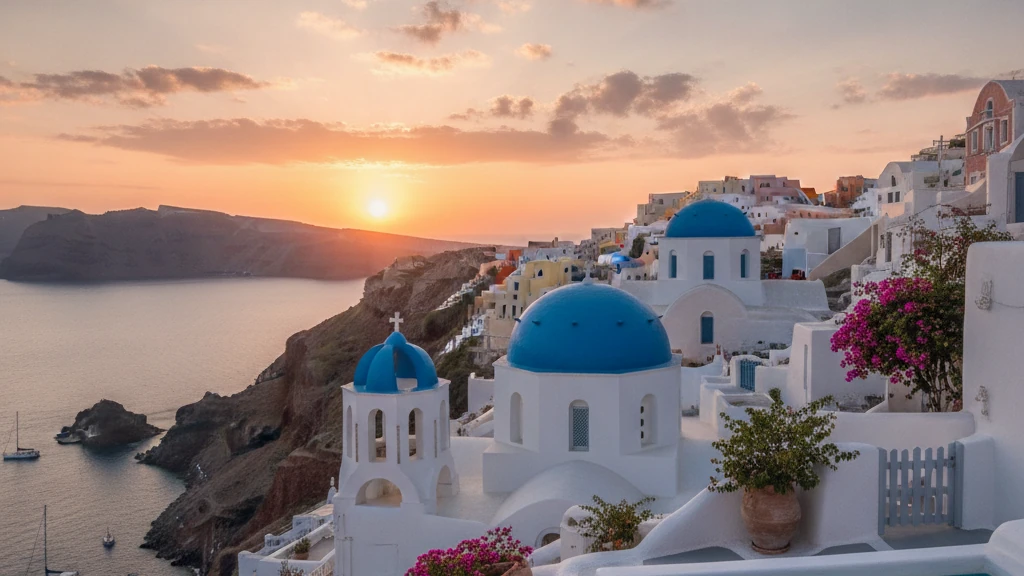
Greece ranks among Europe's most popular family destinations, yet families bound by school term dates face a narrow window of opportunity. The peak summer holidays of July and August, along with Easter and October half-term, present distinct challenges and opportunities for those visiting Greece with children. Understanding what to expect during these fixed periods - from temperatures averaging above 30°C in midsummer to crowd patterns at major archaeological sites - helps families prepare for a successful Mediterranean holiday when flexibility simply isn't an option.
| Month | Avg high | Avg low | Rainfall | Rainy days |
|---|---|---|---|---|
| January | 12.3°C | 5.4°C | 73.5 mm | 8.9 |
| February | 13.7°C | 6.5°C | 47.4 mm | 7.0 |
| March | 15.6°C | 7.9°C | 52.1 mm | 7.1 |
| April | 20.0°C | 11.0°C | 29.8 mm | 5.6 |
| May | 25.0°C | 15.8°C | 29.6 mm | 4.9 |
| June | 29.5°C | 19.9°C | 33.4 mm | 5.8 |
| July | 33.2°C | 22.9°C | 7.7 mm | 1.8 |
| August | 32.9°C | 22.8°C | 8.8 mm | 2.0 |
| September | 28.5°C | 19.5°C | 28.2 mm | 3.2 |
| October | 23.1°C | 15.1°C | 30.8 mm | 3.5 |
| November | 18.5°C | 11.4°C | 62.0 mm | 7.5 |
| December | 14.1°C | 7.6°C | 82.9 mm | 8.0 |
The Summer Holidays Reality: July and August
July and August in Greece deliver the classic Mediterranean summer experience, with temperatures reaching 33.2°C and 32.9°C respectively during the day, and remaining warm overnight at around 23°C. Rainfall drops to just 7.7mm in July and 8.8mm in August across fewer than two rainy days per month, making these the driest months of the year. For families, this translates to guaranteed beach weather and minimal packing challenges, but also means managing genuine heat during midday hours. These months coincide with peak European holiday season, so Greece's islands, mainland beaches and major attractions experience their busiest period. Ferries run frequently, accommodation opens fully, and children's activities proliferate - but booking well ahead becomes essential rather than optional.
Easter School Holidays in Greece
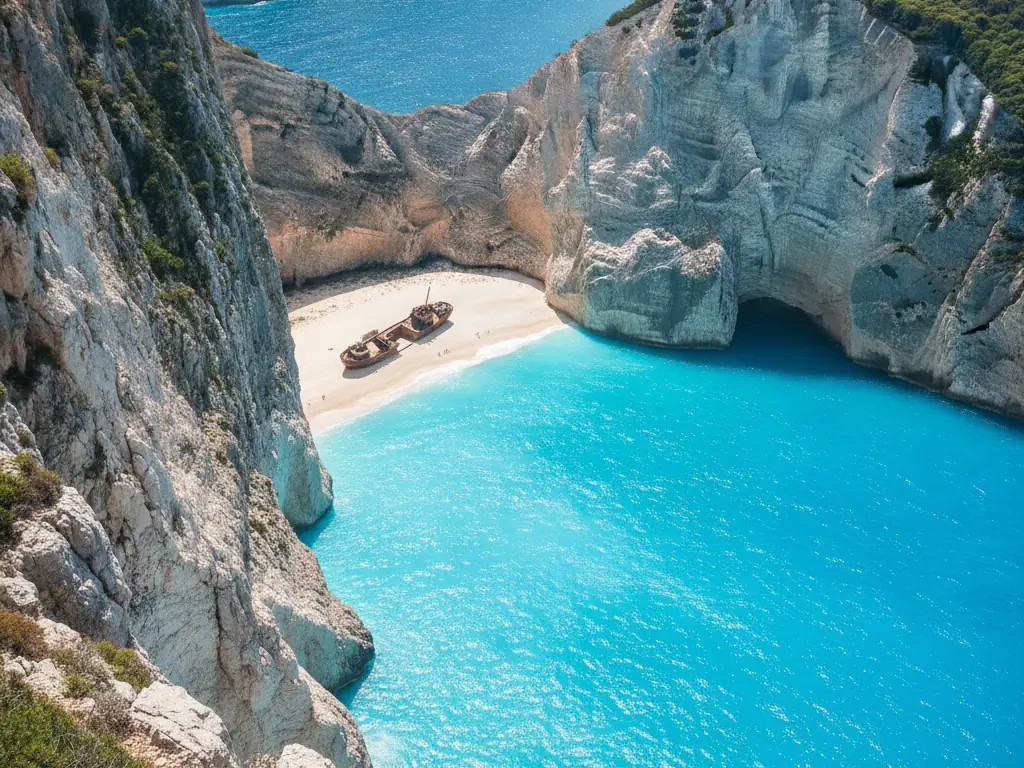
Easter break typically falls in March or April, when Greece transitions from spring into early summer. April temperatures average 20°C during the day and 11°C at night, with approximately 30mm of rainfall spread across six days. This shoulder period offers comfortable walking weather for exploring archaeological sites without the intense summer heat, though families should pack layers for cooler evenings and the possibility of spring showers. Many island hotels and restaurants remain closed until late April or early May, particularly on smaller islands, so research is essential. The Greek Orthodox Easter often differs from UK school holidays, but when they align, you'll encounter vibrant local celebrations, processions and traditional foods that add cultural richness to a family visit.
October Half-Term: Autumn in the Aegean
The October half-term week delivers arguably the most comfortable weather for active families, with daytime temperatures around 23°C and overnight lows of 15°C. Rainfall averages 31mm across just three to four days, meaning mostly dry conditions with occasional showers. The sea retains summer warmth from months of sunshine, making October swimming more pleasant than many expect. Crowds thin dramatically compared to summer, particularly after the first week of October, though this also means reduced ferry schedules to smaller islands and some seasonal closures. Families combining beach time with cultural exploration find October conditions ideal - hot enough for swimming and outdoor dining, cool enough for comfortable sightseeing without the wilting heat that challenges younger children in summer.
Managing the Heat with Young Children
The July-August reality of 32-33°C temperatures and strong Mediterranean sun requires deliberate heat management strategies. Families should structure days around the Greek rhythm: beach or pool until late morning, a substantial indoor break during the 13:00-17:00 heat peak, then a return to outdoor activities as temperatures drop in early evening. Accommodation with air conditioning becomes non-negotiable rather than a luxury during these months. Hydration needs increase significantly, and young children particularly require regular drinks, sun protection reapplied every two hours, and access to shade. Many families find that Greece's beach clubs and organised lidos, with their umbrellas, shallow water and facilities, work better than remote coves when managing small children in high summer heat.
Beating the School Holiday Crowds
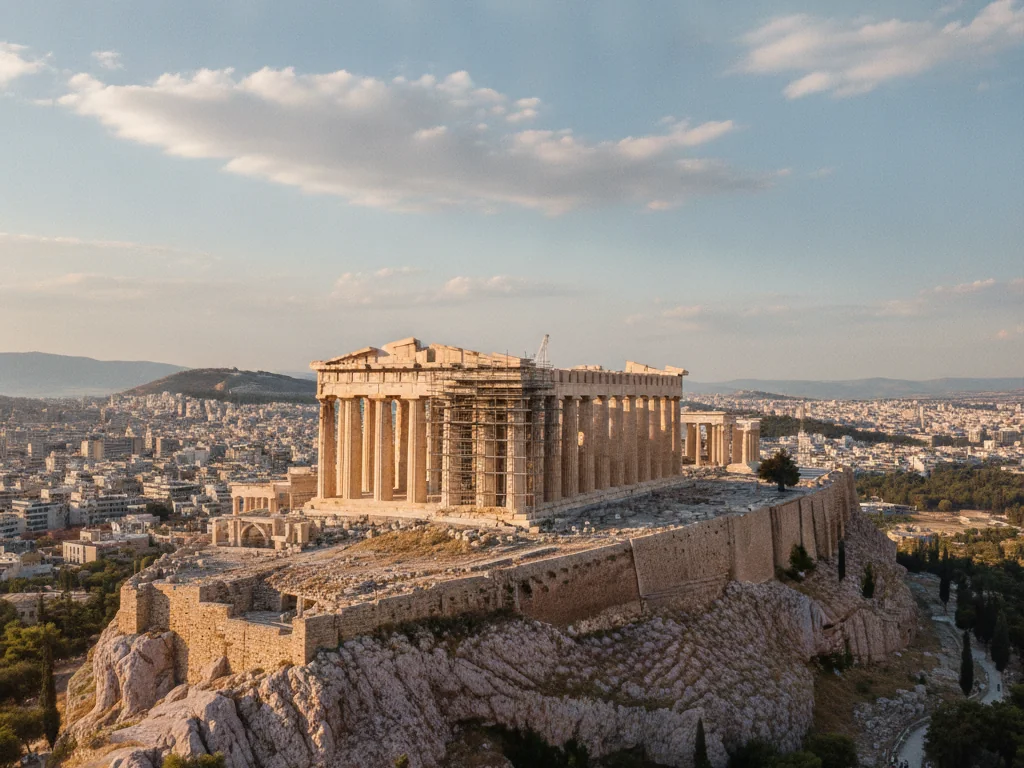
Peak season crowds at Greece's UNESCO sites and popular islands cannot be avoided entirely, but timing within the day makes substantial difference. Major archaeological sites like the Acropolis become uncomfortably packed and hot between 10:00 and 15:00 in summer; families visiting at opening time or late afternoon encounter smaller crowds and marginally cooler conditions. Popular islands like Santorini and Mykonos reach capacity during July and August school holidays, with day-trippers from cruise ships adding to resident tourists. Families often find better value and more authentic experiences on less-publicised islands - Naxos, Paros or Syros offer excellent beaches and facilities without the overwhelming crowds. On the mainland, heading beyond the obvious stops reveals quieter beaches and towns where Greek families holiday, providing space and more reasonable pricing even during peak season.
Booking Strategy for Fixed Holiday Dates
Families constrained by school holiday dates need to book Greece trips earlier than travellers with flexibility. July and August accommodation, particularly family rooms and interconnecting options, often fills by March or April for popular destinations. Flight prices rise significantly during school holiday weeks, and package holidays to Greece typically command premium pricing for these fixed periods. Booking six months ahead typically secures better choice and pricing, while last-minute August availability tends to mean either premium pricing or less desirable locations. Ferry tickets for popular routes during summer require advance booking, especially for families needing cabin accommodation or travelling with vehicles. Package deals occasionally offer better value than independent booking during peak season, as tour operators pre-purchase inventory at contracted rates.
Which Peak Holiday Period Works Best
Among the constrained school holiday options, October half-term delivers the most comfortable conditions for families, combining swimmable seas with manageable temperatures and smaller crowds. The trade-off involves reduced services and ferry schedules, plus the risk of occasional autumn showers. Easter suits families prioritising culture and walking over beach time, with pleasant spring temperatures but variable island infrastructure. July marginally edges August for those committed to peak summer, with fractionally lower temperatures and crowds building through the month rather than arriving all at once. August sees Athens particularly hot and many local Greeks on holiday, creating maximum pressure on island infrastructure. Ultimately, the 'best' school holiday period depends on family priorities - guaranteed sunshine and full services versus comfortable temperatures and breathing room.
FAQ
Is Greece too hot for young children during the summer school holidays in July and August?
Greece in July and August is genuinely hot, with temperatures reaching 33°C and strong sun, but manageable with planning. Families should schedule beach time for mornings and late afternoons, retreat to air-conditioned accommodation during the 13:00-17:00 peak heat, and prioritise hydration and sun protection. Many families successfully visit during these months by adapting to local patterns and choosing accommodation with pools and cooling facilities.
Can you still swim in Greece during October half-term?
Yes, swimming remains very pleasant during October half-term. The sea retains warmth accumulated through summer months, while air temperatures around 23°C provide comfortable beach conditions. Many families find October swimming more enjoyable than high summer, as you can be active in the sun without overwhelming heat, though the water does cool gradually as the month progresses.
How far in advance should families book Greece holidays for school summer holidays?
Booking six months ahead - by January or February for July and August travel - typically provides the best choice of family accommodation and reasonable flight pricing. Popular family hotels and interconnecting rooms fill earliest, while last-minute availability during peak summer usually means either premium pricing or less convenient locations. Ferry tickets for popular routes also require advance booking during summer school holidays.
Are the Greek islands open and accessible during Easter school holidays?
Island accessibility during Easter depends on timing and destination. Larger islands like Crete, Rhodes and Corfu operate year-round, but many smaller islands don't fully open until late April or early May. Ferry schedules run less frequently than summer, and many hotels and restaurants remain closed through early April. Families visiting during Easter should research specific islands and book ahead, as infrastructure is limited compared to summer months.
Weather data: open-meteo (ERA5 reanalysis, 2014-2023 averages). Reviewed and updated periodically.