Visiting Croatia with Kids in the School Holidays
Croatia's Adriatic coast, historic cities, and island-hopping opportunities make it a compelling family destination, but school holidays impose strict timing constraints. Families booking for July, August, Easter, or October half-term face distinct trade-offs between heat, crowds, and rainfall. Understanding the climate realities for peak-season travel helps set realistic expectations and informs practical decisions about which school holiday window works best for your family's tolerance for heat and tourist density.
| Month | Avg high | Avg low | Rainfall | Rainy days |
|---|---|---|---|---|
| January | 5.5°C | -1.6°C | 62.4 mm | 10.3 |
| February | 8.5°C | 0.0°C | 72.4 mm | 9.2 |
| March | 12.5°C | 2.2°C | 48.1 mm | 8.4 |
| April | 16.8°C | 6.3°C | 69.7 mm | 10.2 |
| May | 20.4°C | 10.9°C | 114.2 mm | 15.1 |
| June | 26.0°C | 15.8°C | 81.3 mm | 10.7 |
| July | 28.0°C | 17.8°C | 85.3 mm | 10.3 |
| August | 27.5°C | 17.5°C | 77.6 mm | 9.0 |
| September | 22.2°C | 13.2°C | 106.1 mm | 10.2 |
| October | 17.1°C | 8.7°C | 89.1 mm | 8.6 |
| November | 10.9°C | 4.2°C | 84.9 mm | 9.4 |
| December | 6.4°C | -0.1°C | 65.0 mm | 9.2 |
The Summer Holidays Reality: July and August Heat and Crowds
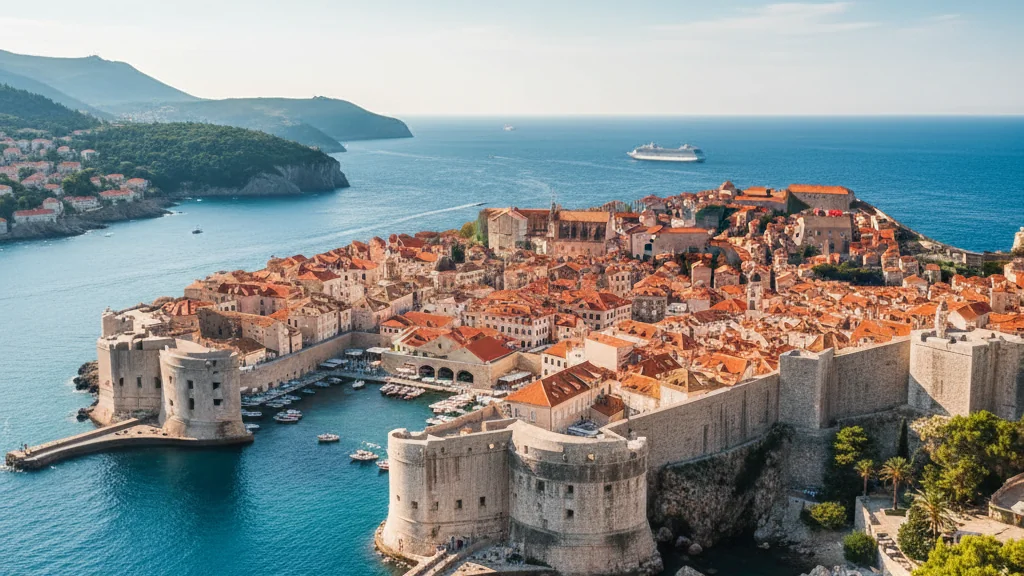
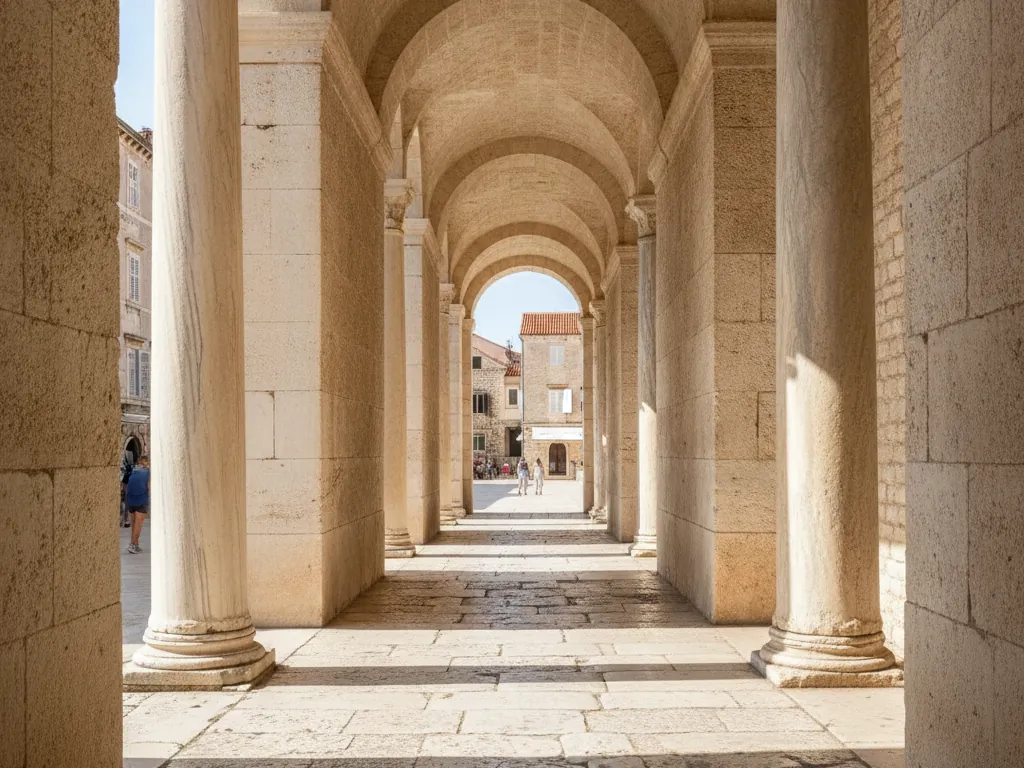
July and August represent peak travel season for Croatia, with daytime highs in Zagreb reaching 28.0°C and 27.5°C respectively. Coastal areas typically run 2-3 degrees warmer. July brings 85.3 mm of rainfall spread across 10.3 rainy days, while August sees 77.6 mm across 9.0 days, making both months relatively dry for outdoor activities. The combination of warm temperatures, minimal rain, and school-holiday timing creates maximum tourist density at Dubrovnik's Old Town, Split's Diocletian's Palace, and popular islands like Hvar and Korčula. Ferry queues lengthen, restaurant waits extend, and beach space becomes premium. Families traveling in July or August should plan for persistent crowds, advance booking requirements for accommodation and inter-island ferries, and heat-management strategies for midday hours when temperatures peak and young children tire quickly.
Easter: Mild Weather but Unpredictable Timing
Easter falls in late March or April, placing it during Croatia's shoulder season. April in Zagreb averages 16.8°C highs and 6.3°C lows, with 69.7 mm of rainfall across 10.2 rainy days. Coastal regions enjoy slightly warmer conditions, but sea temperatures remain cool for swimming. The Easter fortnight offers lighter crowds than summer, better availability for family rooms, and more manageable queues at major attractions. However, the moderate rainfall risk means families should pack layers and waterproofs, and some island services may operate on reduced schedules before the summer season begins. Easter in Croatia suits families prioritizing cultural sightseeing over beach time, with comfortable walking temperatures for exploring cities and national parks without summer's intensity.
October Half-Term: Autumn Warmth Meets Rainy Season
October half-term typically falls in the final week of October, when Zagreb records 17.1°C highs and 8.7°C lows. The month accumulates 89.1 mm of rainfall across 8.6 rainy days, making autumn showers a realistic consideration. Coastal areas remain warmer than inland Zagreb, and early October can deliver genuinely pleasant beach days, though sea temperatures decline as the month progresses. The autumn shoulder season brings substantially reduced crowds compared to summer, shorter queues at attractions, and more flexible accommodation options. Families face a weather gamble - early half-term weeks may catch lingering summer warmth, while later October can feel distinctly autumnal. Pack for variable conditions, including rain gear, and build flexibility into daily plans to accommodate weather shifts.
Managing Heat with Kids During Summer Holidays
July and August temperatures make heat management essential for family comfort. Start sightseeing early, with morning visits to exposed archaeological sites and walled cities before midday heat peaks. Schedule 13:00-16:00 breaks for pool time, air-conditioned museums, or shaded rest at accommodation. Coastal location choices matter - staying directly on the waterfront provides immediate sea access for cooling off, while inland Old Town accommodation may lack air circulation. Hydration becomes non-negotiable, with children needing frequent water breaks during walking tours. Light, breathable clothing, sun hats, and high-SPF sunscreen address sun exposure during Croatia's long summer daylight hours. Consider afternoon boat trips or island excursions, where sea breezes provide natural cooling unavailable in crowded stone-paved city centers.
Beating the Crowds in Peak Season
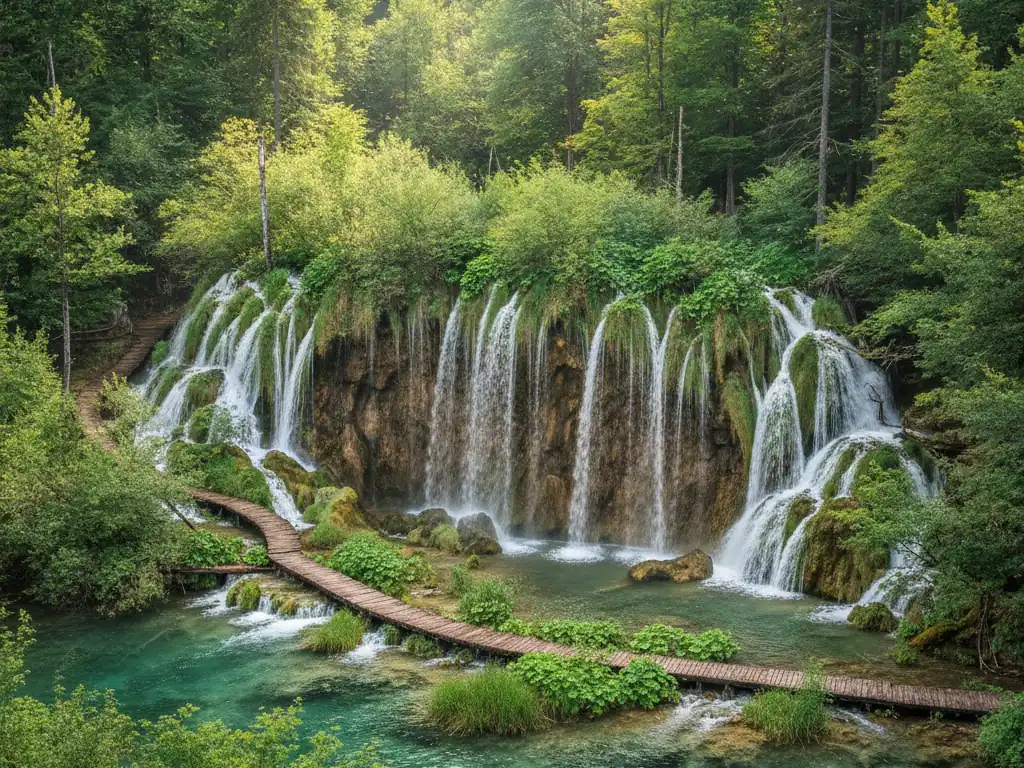
Crowd avoidance during school holidays requires strategic timing and location choices. Popular sites like Dubrovnik's city walls see heaviest traffic from 10:00-14:00; arrive at opening time or after 16:00 for shorter queues. Choose less-visited islands - Vis, Lastovo, or Šipan - over Hvar and Korčula for authentic coastal experiences without shoulder-to-shoulder beach density. Book inter-island ferries and catamaran transfers weeks ahead rather than attempting walk-on travel. Dine early by Croatian standards - 18:00 reservations secure tables at family-friendly konobas before the evening rush. Northern coastal towns like Rovinj or Poreč in Istria attract fewer crowds than Dalmatian hotspots, offering similar coastal appeal with better summer availability. Day-trip timing matters - visit Plitvice Lakes National Park on weekdays rather than weekends when domestic visitors add to international tourist numbers.
Booking Strategy for School Holiday Travel
School holiday timing limits booking flexibility, making early reservation essential. Secure accommodation four to six months ahead for July and August travel, focusing on properties with confirmed air conditioning and family room configurations. Easter and October half-term allow slightly shorter booking windows - two to three months ahead - but popular coastal properties fill early regardless of season. Ferry and catamaran services between islands operate advance booking systems; purchase tickets as soon as summer schedules publish in spring. Package holidays offer convenience for families wanting flight, transfer, and accommodation bundled, while independent booking provides more control over location and property type. Consider apartment rentals over hotels for kitchen facilities that reduce dining costs and provide flexibility for early breakfasts and packed lunches during full sightseeing days.
Which Peak Month Is Least Painful for Families
No school holiday window offers Croatia without compromise, but October half-term presents the most favorable balance for families willing to accept autumn uncertainty. Crowds thin substantially compared to summer, temperatures remain comfortable for activity without heat-management logistics, and accommodation rates drop from summer peaks. The rainfall risk is real but manageable with appropriate clothing and flexible daily planning. Easter provides milder conditions still, with 16.8°C April temperatures suiting active families, though swimming opportunities remain limited. July edges August marginally - the 28.0°C high versus 27.5°C matters less than July's slightly higher rainfall (85.3 mm versus 77.6 mm) potentially clearing the air during brief afternoon showers. Families locked into July or August summer holidays should embrace rather than fight the season - prioritize water-based activities, island stays, and beach time over intensive urban sightseeing marathons.
FAQ
Is Croatia too hot for young children during July and August school holidays?
July and August in Croatia bring daytime highs of 28.0°C and 27.5°C respectively, with coastal areas slightly warmer. Young children can manage these temperatures with proper precautions - morning and late-afternoon activity scheduling, midday breaks in air conditioning or water, frequent hydration, and sun protection. Coastal locations with immediate sea access work better than inland city bases, and families should avoid intensive walking itineraries during peak midday heat.
What should families pack for Croatia during October half-term with unpredictable weather?
October half-term in Croatia requires layered packing for variable conditions. Include lightweight waterproof jackets, long trousers and long-sleeved shirts for cooler mornings (8.7°C lows), plus shorts and t-shirts for 17.1°C afternoon highs when sun appears. Pack closed-toe shoes for wet days alongside sandals for dry spells. Sun protection remains necessary for clear days, and a compact umbrella handles the 89.1 mm monthly rainfall spread across 8.6 rainy days.
How far in advance do families need to book ferries between Croatian islands during summer school holidays?
Inter-island ferries and catamarans during July and August school holidays require booking as soon as summer schedules publish, typically three to four months ahead of travel. Popular routes like Split to Hvar or Dubrovnik to Korčula fill quickly with both vehicle and foot-passenger allocations. Families traveling with rental cars face tighter availability than foot passengers. Walk-on travel without reservations risks lengthy waits or missing desired departure times during peak summer season.
Can families still find good availability in Croatia if booking Easter travel just a few weeks ahead?
Easter occupies shoulder season in Croatia, with April temperatures of 16.8°C highs and 69.7 mm rainfall across 10.2 rainy days creating less intense demand than summer. Families booking two to three weeks ahead typically find reasonable accommodation availability, particularly outside prime Dubrovnik and Split locations. However, Easter's variable calendar date can create booking surges when it falls late in April with better weather prospects, making earlier booking advisable for first-choice properties and coastal locations.
Weather data: open-meteo (ERA5 reanalysis, 2014-2023 averages). Reviewed and updated periodically.