Visiting Hungary with Kids in the School Holidays
Hungary offers families a rich blend of thermal baths, castle adventures, and Danube cruises, but school holiday constraints mean visiting during peak times when weather and crowds present distinct challenges. The summer holidays bring warm temperatures ideal for outdoor exploring, while Easter and October half-term offer cooler conditions that suit city sightseeing with children. Understanding what each holiday window delivers in terms of climate, visitor numbers, and family logistics helps parents set realistic expectations and pack appropriately for a Central European adventure that cannot be scheduled during quieter months.
| Month | Avg high | Avg low | Rainfall | Rainy days |
|---|---|---|---|---|
| January | 4.1°C | -2.0°C | 41.6 mm | 9.6 |
| February | 7.5°C | -0.2°C | 44.8 mm | 9.4 |
| March | 12.0°C | 2.0°C | 38.1 mm | 7.1 |
| April | 16.8°C | 6.3°C | 44.4 mm | 9.5 |
| May | 20.8°C | 11.3°C | 80.5 mm | 12.9 |
| June | 26.1°C | 16.2°C | 65.2 mm | 10.2 |
| July | 28.1°C | 17.9°C | 72.9 mm | 9.8 |
| August | 27.7°C | 17.5°C | 65.1 mm | 8.9 |
| September | 22.5°C | 13.2°C | 72.3 mm | 8.4 |
| October | 16.6°C | 8.1°C | 61.8 mm | 8.3 |
| November | 9.9°C | 3.6°C | 56.5 mm | 9.5 |
| December | 5.1°C | -0.3°C | 53.5 mm | 8.3 |
The Summer Holidays Reality: July and August Heat
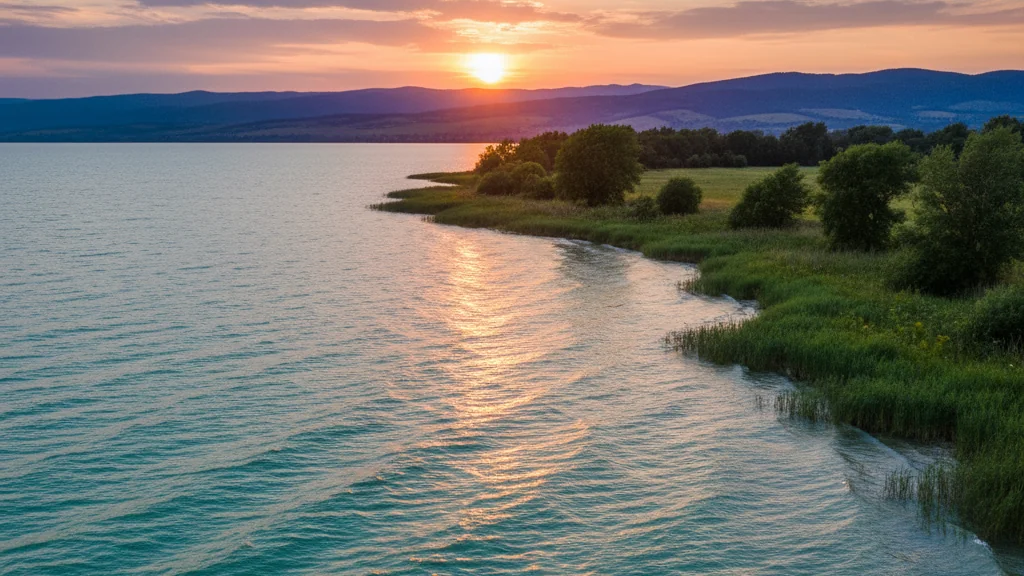
July in Hungary brings average highs of 28.1°C and lows of 17.9°C, while August averages 27.7°C and 17.5°C respectively. Both months receive around 65-73 mm of rainfall spread across roughly 9-10 rainy days, meaning occasional afternoon thunderstorms rather than persistent drizzle. These temperatures sit comfortably in the warm rather than scorching range, making outdoor activities feasible throughout the day with proper hydration breaks. Budapest's thermal baths become particularly appealing during July and August, offering families a chance to cool off while experiencing one of Hungary's signature attractions. The Danube Bend region and Lake Balaton draw substantial crowds during these weeks, as domestic holidaymakers join international visitors. Families will encounter queues at major attractions like Buda Castle and the Hungarian Parliament Building, with wait times extending during mid-morning through early afternoon. The warmth does favour river cruises, outdoor folk performances, and evening strolls along Andrássy Avenue when temperatures drop into the high teens.
Easter Holiday Windows in Hungary
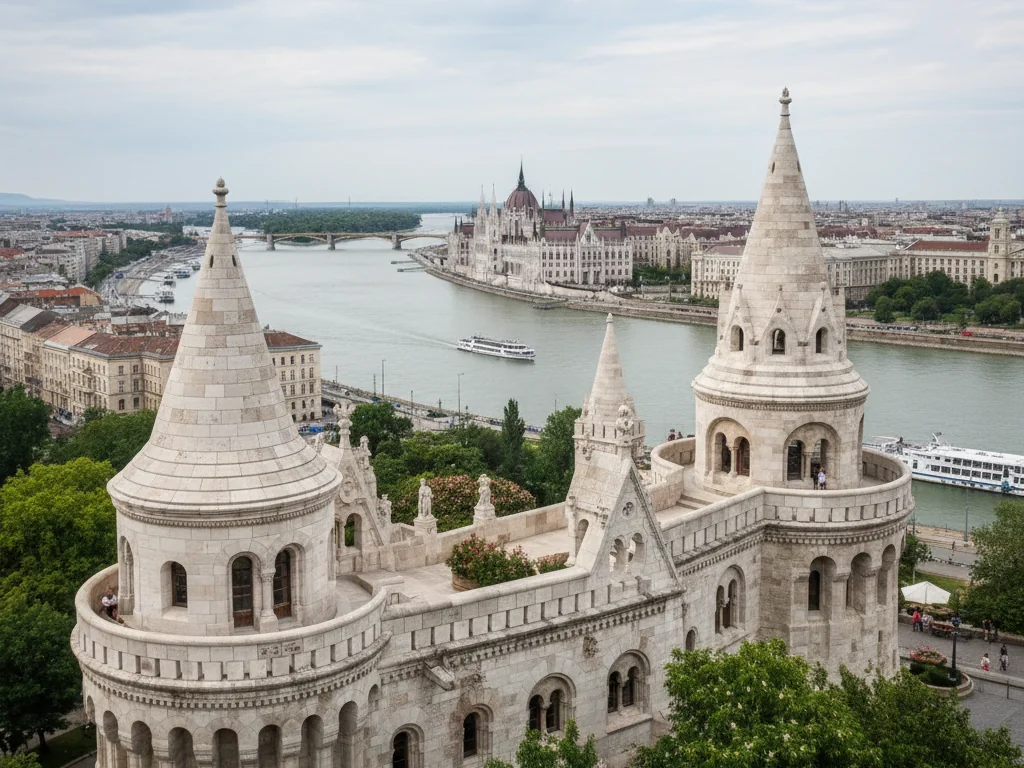
Easter typically falls in late March or April, when Hungary experiences average highs between 12.0°C and 16.8°C and lows from 2.0°C to 6.3°C depending on timing. Rainfall ranges from 38-44 mm across 7-10 rainy days, meaning you should expect some wet weather but not constant downpours. These cooler temperatures suit families who prefer layering clothes and walking city streets without overheating, though thermal baths feel especially inviting when spring air remains crisp. Easter brings Hungarian traditions including painted eggs and folk festivals, adding cultural richness to a family visit. Crowds remain moderate compared to summer peaks, with most European families yet to descend in full force. Museums, indoor markets like the Great Market Hall, and castle interiors provide excellent rainy-day alternatives. Pack waterproof jackets, closed shoes suitable for cobblestones, and layers that adjust to fluctuating spring conditions. The cooler temperatures also mean Budapest's famous ruin bars and outdoor cafes may not offer the full alfresco experience children enjoy in warmer months.
October Half-Term Conditions
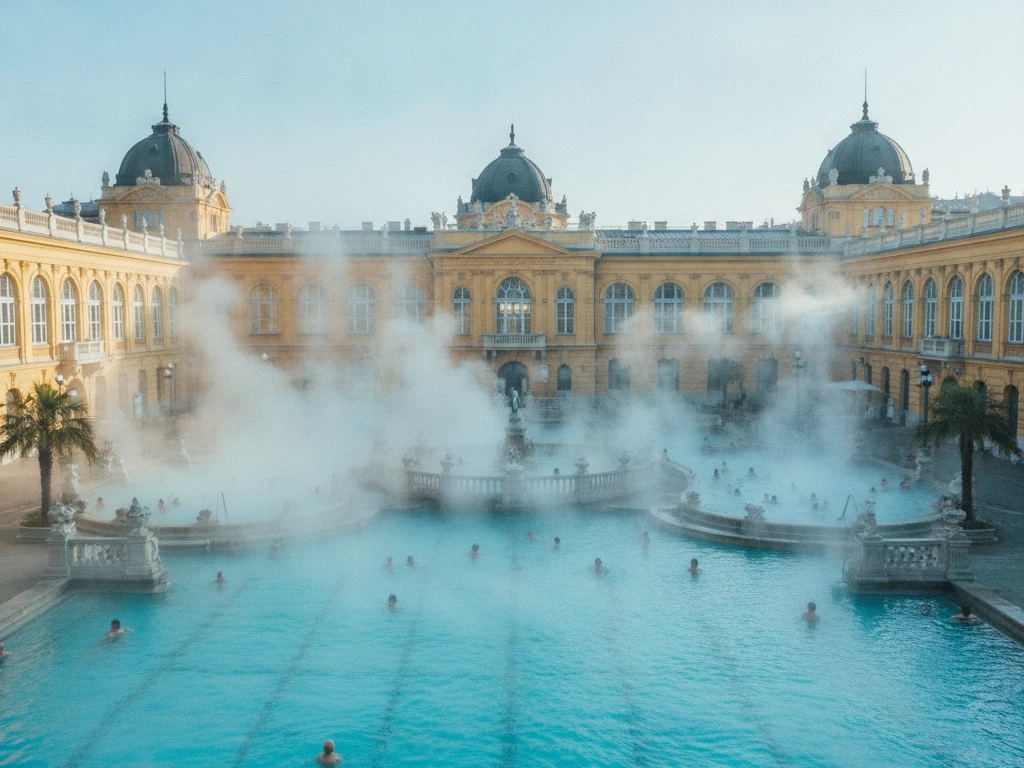
October half-term in Hungary delivers average highs of 16.6°C and lows of 8.1°C, with 61.8 mm of rainfall over approximately 8 rainy days. This shoulder-season climate proves ideal for families who struggle with heat, as walking tours through Buda's hilltop streets or exploring Eger's castle remain comfortable without sun hats or constant water breaks. Autumn colours enhance the Danube Bend scenery, and the cooler air makes Hungary's hearty goulash and chimney cake particularly satisfying for young palates. Visitor numbers drop compared to summer, though Budapest still maintains steady tourism during this week. Families often find shorter queues at attractions and better availability at family-friendly restaurants near major sites. The trade-off involves reduced outdoor swimming opportunities - Lake Balaton's seasonal attractions close, though thermal baths remain open year-round. Pack mid-weight jackets, long trousers, and perhaps a compact umbrella. October's conditions favour museum days, cave explorations in the Buda Hills, and river cruises where enclosed seating protects against wind.
Managing Summer Heat with Children
July and August temperatures in the high twenties require deliberate planning when travelling with children who may not regulate heat as effectively as adults. Start sightseeing early - Budapest's major attractions open between 9-10 AM, allowing families to explore castles or parliament buildings before midday heat peaks. Schedule a midday break for lunch and downtime, ideally incorporating a thermal bath visit where children can splash in cooler pools while parents soak. The Szechenyi Baths offer outdoor pools at various temperatures, letting families choose comfort levels. Carry refillable water bottles, as public fountains appear throughout Budapest's districts. Dress children in light, breathable fabrics and sun-protective clothing, with hats essential for exposed castle ramparts or open squares. Ice cream shops proliferate across Hungarian cities, providing frequent cooling treats. Evening activities work well during summer holidays - river cruises departing at 7-8 PM catch sunset while temperatures drop to comfortable levels for outdoor dining.
Beating the Crowds During Peak Periods
School holiday timing means accepting that popular Hungarian attractions will host significant visitor numbers, but strategic choices reduce frustration. Book skip-the-line tickets for Hungarian Parliament tours and Buda Castle sections where available, as families with restless children benefit enormously from bypassing queues. Visit major sites either at opening time or during late afternoon when day-trippers depart. Explore lesser-known districts like Budapest's Palace Quarter or the Margaret Island park, where locals gather but international crowds thin. Day trips to smaller towns such as Szentendre or Hollókő offer authentic Hungarian experiences with fewer visitors than Lake Balaton's southern shore. Choose accommodation in residential districts rather than immediate castle or parliament vicinity, accepting a short metro ride in exchange for quieter evening streets where children can decompress. Restaurant reservations become essential during summer holidays, particularly for establishments offering child menus or courtyard seating.
Booking Strategy for School Holiday Visits
Accommodation pricing rises during July, August, Easter week, and October half-term, with availability tightening in family-friendly properties offering interconnecting rooms or apartment setups. Book lodging at least three to four months ahead for summer holidays, as Budapest's supply of suitable family hotels concentrates in specific districts. Flights to Budapest also command higher fares during these windows, though Hungary's central location means families can sometimes find better value flying into Vienna and taking the direct train. Reserve thermal bath tickets online where possible - some Budapest baths limit daily visitors and sell out during peak periods. For river cruises and day tours, advance booking secures child-friendly departure times and ensures availability of English-language guides. Booking early also allows families to secure cancellation policies, useful when school schedules or child illnesses force last-minute changes. Restaurants near major attractions fill quickly during peak dining hours; making reservations for evening meals proves wise, especially for groups needing high chairs or specific seating arrangements.
Which Peak Holiday Period Works Best
No single answer suits every family, as preferences around heat tolerance, crowd acceptance, and desired activities vary considerably. July and August offer the warmest, driest conditions with maximum daylight hours, favouring families who prioritise outdoor time, swimming, and evening activities. The 28-degree highs remain manageable for most children, especially with midday breaks. Easter provides cultural experiences through Hungarian traditions, moderate temperatures ideal for city walking, and smaller crowds, though rainfall chances increase and some seasonal attractions remain closed. October half-term delivers the quietest experience of the three peak periods, with comfortable walking temperatures and autumn scenery, but lake swimming ends and daylight hours shorten, limiting evening outdoor time. Families with heat-sensitive children or those prioritising museum visits over water activities often prefer Easter or October. Those wanting the full thermal bath and Danube cruise experience with warm-weather appeal should accept summer's crowds and higher prices.
FAQ
What should families pack for visiting Hungary during the summer school holidays?
Pack lightweight, breathable clothing in natural fabrics, sun hats with chin straps for windy castle ramparts, reef-safe sunscreen (though not required, it protects thermal bath ecosystems), refillable water bottles, and swimwear for thermal baths. Include a light cardigan for air-conditioned museums and one set of smart-casual clothes if planning to dine at traditional Hungarian restaurants. Comfortable walking shoes with good grip suit Budapest's cobblestone streets and castle hills. A small backpack carries daily essentials during sightseeing, while a compact rain jacket handles the 9-10 rainy days typical in July and August.
Are Budapest's thermal baths suitable for young children during school holiday visits?
Most major Budapest thermal baths welcome children, though age restrictions vary by facility and specific pool. Szechenyi Baths allow children of all ages in outdoor pools, with warmer sections and cooler play areas offering variety. Gellert Baths permit children but maintain a quieter atmosphere that suits older, calmer kids better. Many thermal pools reach 30-38°C, which may prove too warm for extended soaking with young children - supervise closely and encourage breaks in cooler pools or shaded areas. During July and August, outdoor pools provide the best family experience, with space to move and varied temperatures. Bring water shoes, as pool surrounds get slippery, and pack light snacks since extended bath sessions make children hungry.
How do crowds at Hungarian attractions during October half-term compare to summer holidays?
October half-term sees noticeably lighter crowds than July and August across Hungarian attractions, as the school holiday primarily affects UK and Irish families while most European schools remain in session. Budapest's major sites still host steady visitor numbers, but queue times at Hungarian Parliament, Buda Castle, and popular museums shorten considerably. Families find more availability at restaurants without advance reservations and encounter less competition for river cruise tickets. The 16.6°C average high and 8.1°C low, with approximately 8 rainy days, create comfortable sightseeing conditions without summer's peak-season congestion. Lake Balaton's seasonal attractions close by October, reducing options outside Budapest, but the capital's indoor attractions and thermal baths maintain full operation with reduced wait times.
What are the best day trips from Budapest for families during Easter school holidays?
Szentendre, a riverside artist town 20 kilometres north, offers outdoor folk museums, marzipan exhibitions, and cobbled streets manageable in Easter's 12-16°C temperatures. Visegrád's medieval castle ruins provide hands-on history with ramparts to explore, while the nearby Danube Bend scenery suits the cooler spring climate with 7-10 rainy days factored into planning. Gödöllő Palace, a former Habsburg summer residence, features ornate interiors perfect for rainy-day visits and grounds where children can run when weather permits. Eger, roughly 130 kilometres from Budapest, combines a hilltop castle with thermal baths, though the journey suits families comfortable with longer coach travel. Each destination offers restaurants with child-friendly Hungarian dishes and less crowded conditions than Budapest's central districts during the Easter peak.
Weather data: open-meteo (ERA5 reanalysis, 2014-2023 averages). Reviewed and updated periodically.