Visiting Japan with Kids in the School Holidays
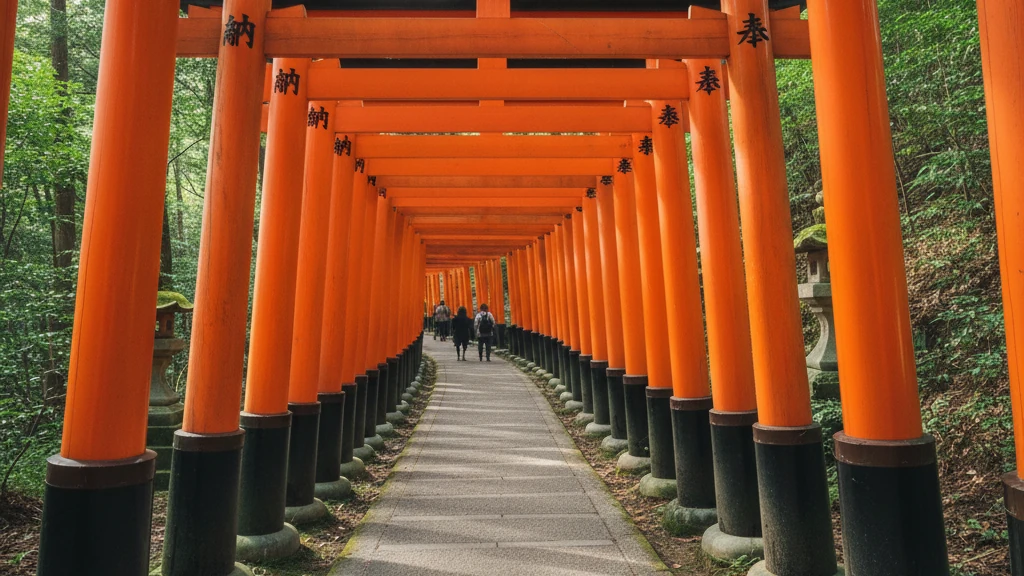
Japan ranks among the world's most family-friendly destinations, but timing a trip around school holidays means accepting trade-offs between weather, crowds and cost. Families who cannot travel during term time face a choice between the summer heat and humidity of July and August, the variable conditions of Easter in March or April, or the rainy but mild October half-term. Each peak holiday window brings distinct challenges for travelling with children, from navigating Tokyo's sweltering August streets to managing autumn downpours in Kyoto. Understanding what to expect during these fixed periods helps families plan realistic itineraries and pack appropriately for Japan's dramatic seasonal shifts.
| Month | Avg high | Avg low | Rainfall | Rainy days |
|---|---|---|---|---|
| January | 8.8°C | -0.3°C | 57.0 mm | 5.4 |
| February | 9.9°C | 0.5°C | 67.1 mm | 6.9 |
| March | 14.2°C | 4.7°C | 127.7 mm | 11.7 |
| April | 18.3°C | 9.2°C | 130.9 mm | 11.4 |
| May | 23.1°C | 14.5°C | 120.1 mm | 10.7 |
| June | 25.7°C | 18.5°C | 185.5 mm | 15.2 |
| July | 29.5°C | 22.7°C | 190.8 mm | 16.4 |
| August | 30.9°C | 24.0°C | 134.3 mm | 13.8 |
| September | 26.7°C | 20.2°C | 209.7 mm | 14.8 |
| October | 21.2°C | 14.0°C | 202.3 mm | 12.5 |
| November | 16.6°C | 8.3°C | 93.9 mm | 10.0 |
| December | 11.2°C | 2.3°C | 66.9 mm | 7.0 |
The Summer Holidays Reality: July and August
July and August represent Japan's hottest and most humid months, with Tokyo reaching average highs of 29.5°C in July and 30.9°C in August. These official figures mask the intensity of urban heat islands, where concrete and limited green space push daytime temperatures considerably higher. July brings 190.8 mm of rainfall across 16.4 rainy days, while August sees 134.3 mm over 13.8 days - humidity remains oppressive even when rain isn't falling. Crowds swell during Japan's own Obon festival in mid-August, when domestic tourists fill hotels and transport networks. For families with young children, the combination of heat, humidity and crowds makes July and August the most physically demanding school holiday periods for exploring Japanese cities and temples.
Easter: Springtime Variables in March and April
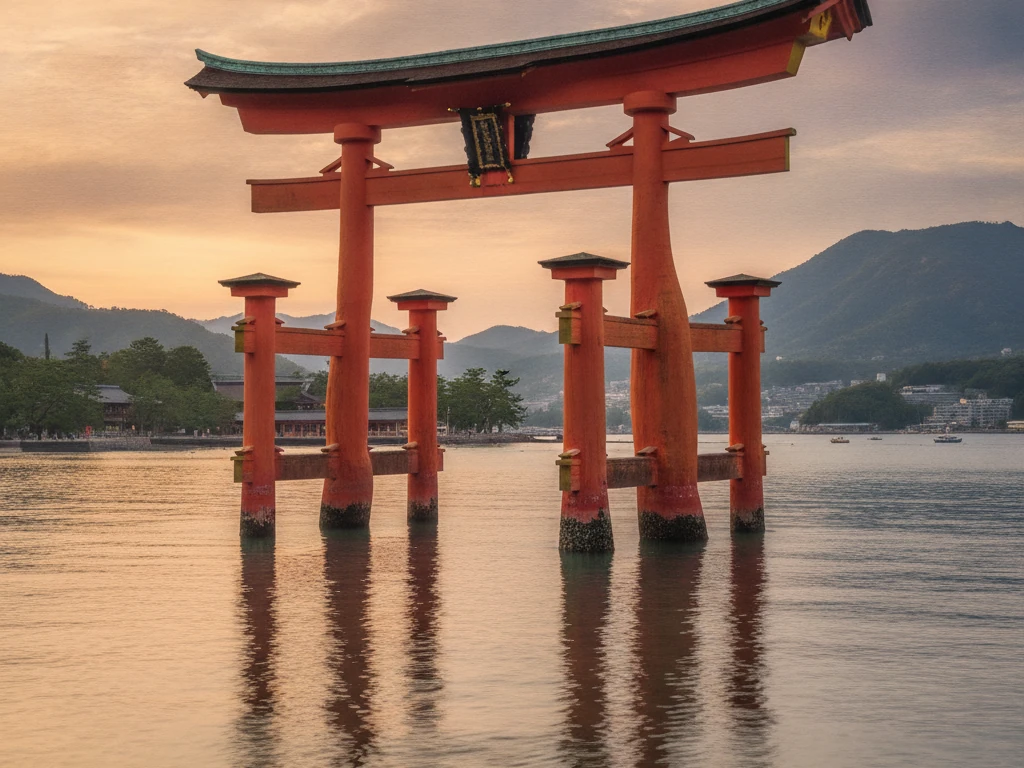
Easter holidays shift between mid-March and late April depending on the year, catching Japan's transition from late winter into full spring. March averages 14.2°C highs and 4.7°C lows, with 127.7 mm of rain over 11.7 days - comfortable for sightseeing but requiring layered clothing for temperature swings. April warms to 18.3°C highs and 9.2°C lows, with similar rainfall of 130.9 mm across 11.4 days. The famous cherry blossom season typically peaks in late March through early April, drawing enormous crowds to parks and temples but creating magical photo opportunities for families. Easter brings fewer international tourists than summer holidays, though domestic Golden Week travel in late April can complicate accommodation in some regions. Weather remains unpredictable enough that families should pack rain gear and flexible clothing options.
October Half-Term: Autumn Colour and Rainfall
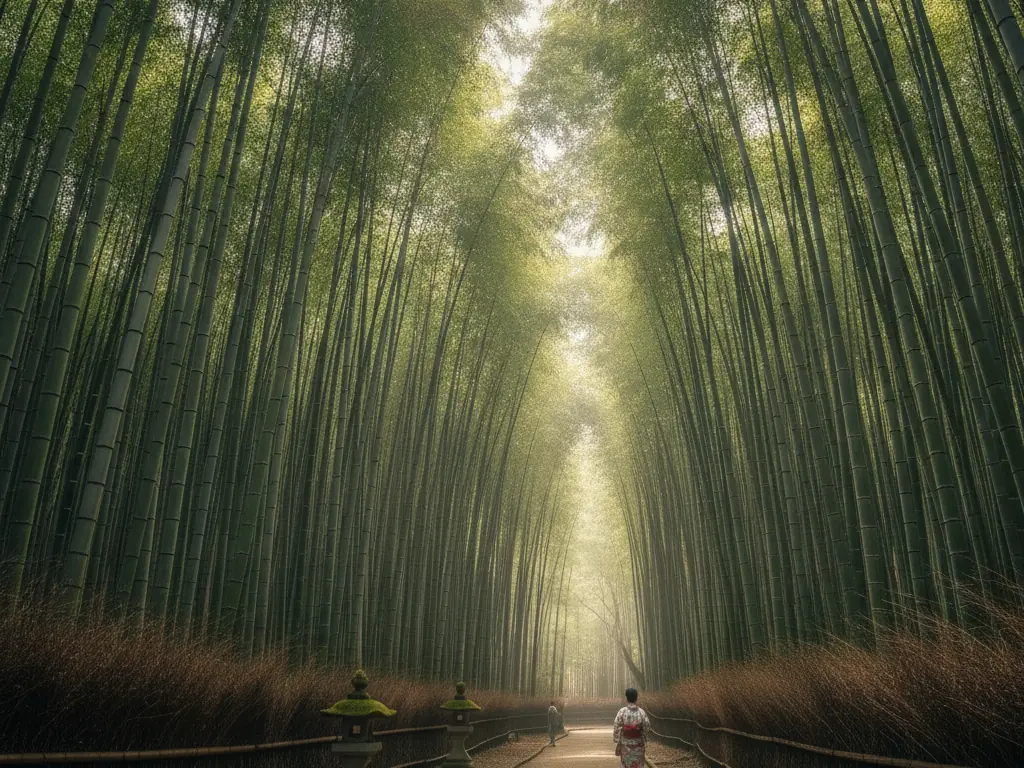
The October half-term holiday falls during Japan's autumn typhoon tail-end, making it the wettest school holiday option with 202.3 mm of rainfall over 12.5 days. Temperatures remain pleasant at 21.2°C highs and 14.0°C lows - cool enough for comfortable walking but warm enough for outdoor activities between showers. October marks the beginning of autumn foliage season, particularly stunning in Kyoto's temples and gardens, though peak colours generally arrive in November after half-term ends. The persistent rain and occasional heavy downpours require waterproof clothing for children and contingency indoor plans, but the mild temperatures and smaller crowds compared to summer make October appealing for families who don't mind damp conditions. Many families find the weather more manageable than July-August despite the higher rainfall totals.
Managing Heat with Kids: July and August Strategies
Families locked into July or August travel need specific tactics to cope with Japan's summer intensity. Schedule outdoor temple visits and walking tours before 10am or after 4pm, using midday hours for air-conditioned museums, shopping centres or afternoon hotel breaks. Convenience stores sell cooling towels, portable fans and frozen treats that help children regulate body temperature between destinations. Tokyo and Kyoto both offer extensive underground shopping passages that provide climate-controlled walking routes between major stations. Pack lightweight, moisture-wicking clothing for children and plan shorter walking distances than you would in cooler months - what takes thirty minutes in April may require an hour with multiple cooling breaks in August. Japanese cities maintain spotlessly clean public toilets and ubiquitous vending machines, making frequent hydration stops straightforward even with young children.
Beating the Crowds During Peak Periods
Every school holiday window brings increased visitor numbers, but strategic choices reduce time spent queuing and jostling through packed attractions. Book popular experiences like Studio Ghibli Museum or TeamLab installations months ahead, and consider purchasing skip-the-line tickets for Tokyo's observation decks and major temples. Visit headline attractions like Fushimi Inari Shrine or Sensoji Temple at opening time or late afternoon when tour groups have dispersed. Regional destinations like Takayama, Kanazawa or the Japan Alps typically see fewer international visitors than the Tokyo-Kyoto corridor even during holidays. Weekdays remain noticeably quieter than weekends even during school breaks, particularly for domestic attractions popular with Japanese families. Some families deliberately avoid Kyoto's most famous temples in favour of smaller neighbourhood shrines that offer authentic experiences without the shoulder-to-shoulder crowds.
Booking Strategy for School Holiday Travel
Japan's limited hotel room sizes and high accommodation standards make early booking essential during all school holiday periods. Reserve hotels and ryokans as soon as holiday dates are confirmed - ideally six months ahead for July-August and Easter, slightly less urgently for October half-term. Japan Rail Passes must be ordered before arrival and offer significant value for families planning multi-city itineraries during any peak period. Book reserved seats on shinkansen bullet trains rather than attempting non-reserved carriages, which fill rapidly during holidays and rarely accommodate families who want to sit together. Easter period bookings should account for Japan's own Golden Week at the end of April, when domestic demand spikes sharply. Accommodation in popular areas like Kyoto's Gion district or near Tokyo Disneyland commands premium rates during all school holidays, but remains available for families who book well ahead and accept higher costs.
Which Peak Month Brings the Least Pain?
No school holiday window offers ideal conditions for Japan travel, but each suits different family priorities. July and August deliver guaranteed warm weather for swimming and summer festivals but challenge heat tolerance and bring maximum crowds plus elevated costs. Easter in March or April offers the most comfortable temperatures and spectacular cherry blossoms but requires flexible planning around unpredictable rain and shifting bloom dates. October half-term provides mild weather and developing autumn colours with smaller crowds, though families must accept frequent rainfall and plan indoor alternatives. Families with heat-sensitive children or those prioritising outdoor activities generally find Easter or October preferable to summer holidays. Those who value reliable sunshine and are prepared to manage heat and crowds tend toward July-August despite the physical demands.
FAQ
What should families pack for Japan during July and August school holidays with young children?
Pack lightweight, loose-fitting clothes in breathable fabrics, sun hats with neck protection, high-SPF sunscreen, and a small backpack for carrying water bottles and cooling supplies. Include a light rain jacket for sudden summer thunderstorms, comfortable walking shoes that handle humidity, and a change of clothes for children who sweat heavily. Portable phone chargers, tissues (many public toilets provide only air dryers), and basic medications help families stay comfortable during long sightseeing days.
How can families with kids manage Japan's rainy season during October half-term holidays?
Invest in quality waterproof jackets rather than disposable ponchos, and pack quick-drying shoes or waterproof footwear for children. Plan at least two indoor activities for each day - major cities offer excellent aquariums, science museums, and covered shopping arcades. Umbrellas are available at every convenience store, but compact children's models from home pack more easily. Schedule indoor experiences like cooking classes, manga museums or onsen (hot spring) visits for predicted wet days rather than fighting the weather.
Is Easter better than summer holidays for visiting Japan with a family who want to see cherry blossoms?
Easter holidays offer the only realistic chance for families to experience cherry blossom season, with peak bloom typically occurring late March through early April. Temperatures in March average 14.2°C highs compared to July's 29.5°C, making sightseeing far more comfortable for children. However, Easter brings unpredictable weather with significant rainfall - 127.7 mm in March and 130.9 mm in April - requiring flexible planning. Families must accept that blossom timing varies by up to two weeks year to year and cannot be guaranteed to align with fixed holiday dates.
What are the biggest challenges of taking kids to Japan during August compared to other school holiday periods?
August combines Japan's highest temperatures of 30.9°C average highs with persistent humidity, creating uncomfortable conditions for walking between attractions with children. The month coincides with Japan's Obon festival when domestic travel peaks, filling trains and hotels with local tourists. Heat exhaustion becomes a genuine risk during midday outdoor activities, requiring shorter itineraries and frequent cooling breaks. Despite these challenges, August offers reliable sunshine compared to October's 202.3 mm of rainfall and more predictable conditions than Easter's variable spring weather.
Weather data: open-meteo (ERA5 reanalysis, 2014-2023 averages). Reviewed and updated periodically.