Mexico vs Costa Rica for Families: Which to Pick?

Choosing between Mexico and Costa Rica for a family holiday often comes down to the kind of experience families prioritize: accessible beach resorts with predictable sunshine, or wildlife-rich rainforests and outdoor learning. Both destinations deliver warm weather year-round, but their climate patterns, dry seasons, and peak travel windows differ in ways that matter for family planning. This guide compares the two head-to-head using long-term climate data, so families can match their schedule and interests to the right destination.
Quick Verdict: Who Suits Whom?
Mexico - particularly the Caribbean coast around Cancun - appeals to families seeking consistent hot, dry weather from late autumn through spring, extensive all-inclusive resorts, and minimal travel complications. Costa Rica attracts families drawn to biodiversity, zip-lining, and nature education, accepting that rain is frequent outside the short dry window. Budget-conscious families often find Mexico's competition among resorts and airlines delivers better value, while those prioritizing eco-lodges and adventure activities may accept Costa Rica's higher costs for the unique experience.
Weather Patterns Compared
Mexico's Caribbean coast enjoys a tropical climate with a pronounced dry season and hot temperatures. The high season spans November through April, when daytime highs range from 25.7°C in January to 29.0°C in April, and rainfall stays below 85 mm monthly except for a brief uptick in May. The wettest months are September and October, each recording over 160 mm and more than 20 rainy days. July stands out as a relative dry pocket in summer, with just 71.7 mm of rain across 14.4 days, making it popular despite heat that peaks above 30°C.
| Month | Avg high | Avg low | Rainfall | Rainy days |
|---|---|---|---|---|
| January | 25.7°C | 21.6°C | 84.1 mm | 13.0 |
| February | 26.7°C | 22.7°C | 48.4 mm | 10.7 |
| March | 27.7°C | 23.3°C | 38.1 mm | 9.2 |
| April | 29.0°C | 24.3°C | 39.5 mm | 7.4 |
| May | 29.6°C | 25.0°C | 95.8 mm | 15.8 |
| June | 29.7°C | 25.6°C | 163.8 mm | 17.6 |
| July | 30.8°C | 26.1°C | 71.7 mm | 14.4 |
| August | 30.8°C | 26.1°C | 125.5 mm | 18.8 |
| September | 30.1°C | 25.6°C | 163.9 mm | 22.3 |
| October | 29.1°C | 24.6°C | 175.9 mm | 20.8 |
| November | 27.6°C | 23.4°C | 102.4 mm | 14.3 |
| December | 26.7°C | 22.7°C | 76.3 mm | 13.6 |
Costa Rica's Central Valley climate (represented by San Jose) shows milder daytime highs - rarely exceeding 26.7°C - but far heavier rainfall. The dry season is brief and well-defined: January through March see fewer than 55 mm monthly and as few as 6.1 rainy days in February. From May onward, rainfall climbs steeply, peaking at 520.3 mm in October with rain on 29.4 days. Even the so-called "little dry season" in July still records 285.7 mm. Families planning around school holidays will find Costa Rica's dry window tighter and its rainy season more disruptive to outdoor plans.
| Month | Avg high | Avg low | Rainfall | Rainy days |
|---|---|---|---|---|
| January | 24.6°C | 16.0°C | 53.2 mm | 8.9 |
| February | 25.9°C | 15.9°C | 33.7 mm | 6.1 |
| March | 26.7°C | 16.4°C | 33.9 mm | 8.4 |
| April | 26.7°C | 17.1°C | 110.8 mm | 17.5 |
| May | 25.2°C | 17.4°C | 381.0 mm | 27.2 |
| June | 24.4°C | 17.3°C | 339.5 mm | 28.3 |
| July | 24.5°C | 17.3°C | 285.7 mm | 24.6 |
| August | 24.6°C | 17.1°C | 379.6 mm | 26.8 |
| September | 24.7°C | 16.8°C | 420.7 mm | 28.9 |
| October | 24.0°C | 16.6°C | 520.3 mm | 29.4 |
| November | 23.7°C | 16.8°C | 309.3 mm | 24.5 |
| December | 24.1°C | 16.4°C | 109.3 mm | 13.3 |

Best Time to Visit Mexico for Families
December through March represents the sweet spot for Mexico family trips. January sees 25.7°C highs, 21.6°C lows, and just 84.1 mm of rain spread over 13 days - conditions that allow daily beach time and poolside routines with minimal weather interruptions. February and March are even drier, with March recording only 38.1 mm and 9.2 rainy days. April heats up to 29.0°C but stays relatively dry at 39.5 mm, extending the ideal window into spring break. Families willing to trade some sunshine for fewer crowds might consider late November or early December, when temperatures remain pleasant at 27.6°C and 26.7°C respectively, though rain picks up slightly.
Best Time to Visit Costa Rica for Families
Costa Rica's family-friendly window is narrower. February stands out as the driest month with just 33.7 mm of rain over 6.1 days, followed closely by January (53.2 mm, 8.9 days) and March (33.9 mm, 8.4 days). Daytime highs in this window stay comfortable at 24.6°C to 26.7°C, warm enough for swimming but not oppressive for hiking or canopy tours. April marks a sharp transition, with rainfall jumping to 110.8 mm and 17.5 rainy days. By May, the green season is fully underway with 381.0 mm, and conditions remain wet through November. Families with flexible schedules should aim squarely for the January-to-March corridor; those locked into summer or autumn breaks will encounter daily afternoon downpours that can curtail wildlife excursions and beach plans.
Crowds and Cost Considerations
Mexico's high season from December through April coincides with optimal weather, drawing the largest crowds and commanding premium rates at family resorts. The shoulder months of November and May offer a compromise: weather remains largely cooperative, but availability improves and rates soften. Summer months see higher rainfall but also significant discounts and lighter crowds, appealing to budget-focused families comfortable with occasional afternoon showers. Costa Rica's pricing peaks sharply in the January-to-March dry season, when demand from North American families and European travelers converges on limited eco-lodge inventory. The green season delivers lower accommodation costs, but families must weigh savings against the likelihood of rain disrupting planned activities and the need for more flexible itineraries.
Beaches and Activities for Kids
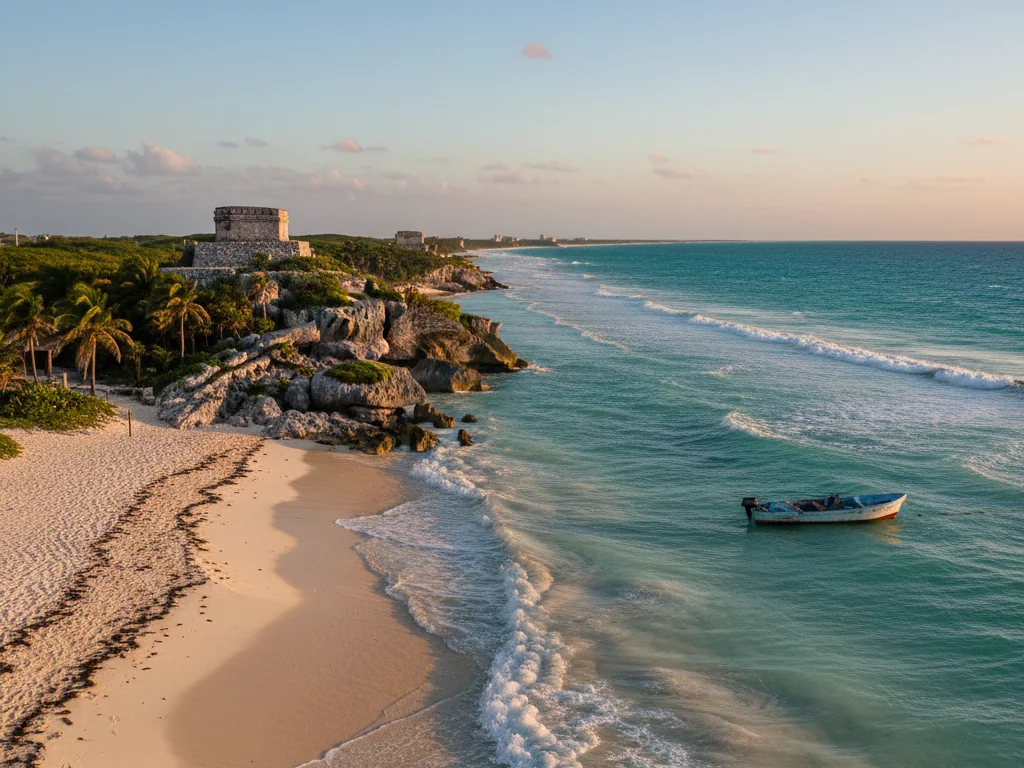
Mexico's Caribbean coast delivers calm, shallow beaches with predictable surf, extensive resort kids' clubs, and easy access to snorkeling at reefs. The hot, dry conditions from December through April mean families can plan full beach days without rain contingencies. Cultural excursions to Mayan ruins like Tulum or Chichen Itza add educational value, and the region's well-developed tourism infrastructure simplifies logistics for families with young children. Costa Rica shifts the focus from beach lounging to active nature encounters: zip-lining through cloud forests, spotting sloths and toucans, and volcano hikes. Beaches on both Pacific and Caribbean coasts offer swimming and surfing lessons, but rougher surf and rockier shorelines demand more supervision. The country's adventure activities suit school-aged children better than toddlers, and the frequent rain from May through November requires indoor backup plans and waterproof gear.
Which Family Should Pick Which?
Families with toddlers and preschoolers, or those prioritizing relaxation and predictable routines, will find Mexico's combination of dry weather, gentle beaches, and resort amenities a better fit. The extended dry season aligns well with winter and spring school breaks, and the infrastructure supports stroller access, familiar foods, and medical services. Families with children aged seven and up who crave hands-on learning about ecosystems and wildlife should lean toward Costa Rica, provided they can travel during the January-to-March window. The country's compact size allows multi-region itineraries - rainforest, cloud forest, and coast - in a single week, but the commitment to outdoor activities requires mobility and tolerance for muddy trails. Budget plays a role: Mexico typically delivers more lodging and dining options at mid-range price points, while Costa Rica's eco-tourism model skews toward smaller properties with higher per-night costs.
Packing Essentials for Each Destination
For Mexico trips in the dry season, families should pack high-SPF sunscreen, hats, and lightweight cotton clothing for daytime highs that reach 29.0°C to 30.8°C. Evenings cool slightly to the low 20s Celsius, so a light sweater suffices. Rain gear is optional from December through March but advisable if traveling in summer or autumn when monthly rainfall exceeds 125 mm. Costa Rica demands more versatile packing year-round: even in the dry season, families should bring a compact rain jacket and quick-dry clothing, as afternoon showers can surprise. Daytime temperatures stay moderate at 24.0°C to 26.7°C, so long sleeves for sun protection and layering are practical. Sturdy closed-toe shoes are essential for rainforest trails, and insect repellent is non-negotiable given higher humidity and vegetation. Both destinations require reef-safe sunscreen to protect marine ecosystems.
FAQ
Which destination is better for families traveling during summer school holidays?
Mexico handles summer travel more gracefully. July in Cancun sees 30.8°C highs and a relative dry spell with 71.7 mm of rain over 14.4 days, allowing most beach days to proceed. Costa Rica in July receives 285.7 mm across 24.6 days, meaning daily afternoon rain is nearly guaranteed. Families committed to Costa Rica in summer should book lodges with covered activities and build flexible itineraries that accommodate weather disruptions.
When is the absolute driest time to visit Costa Rica with young children?
February offers the lowest rainfall at 33.7 mm over just 6.1 rainy days, with comfortable daytime highs of 25.9°C. January and March are nearly as dry, with 53.2 mm and 33.9 mm respectively. Booking in this narrow window maximizes outdoor activity reliability, which matters greatly when traveling with children who have limited patience for indoor contingency plans.
Can families visit Mexico's Caribbean coast during the rainy season without ruining the trip?
May and late summer pose challenges, but families can still enjoy Mexico during these months with adjusted expectations. September and October are the wettest at over 160 mm and more than 20 rainy days each, so those months are best avoided. November, despite 102.4 mm of rain, offers improving conditions and represents a viable shoulder-season choice for families prioritizing lower costs and fewer crowds over guaranteed sunshine.
What are the temperature differences families should expect between Mexico and Costa Rica?
Mexico's Caribbean coast runs hotter year-round, with highs ranging from 25.7°C in January to 30.8°C in July and August. Costa Rica's Central Valley stays milder, peaking at only 26.7°C in March and April and dipping to 23.7°C in November. Coastal areas in Costa Rica do run warmer, but the interior highlands offer natural air conditioning. Families sensitive to heat or traveling with infants may find Costa Rica's moderate temperatures more comfortable, while sun-seekers will prefer Mexico's consistent warmth.
Weather data: open-meteo (ERA5 reanalysis, 2014-2023 averages). Reviewed and updated periodically.