Visiting Mexico with Kids in the School Holidays

Mexico sits at the top of many families' holiday wish lists, offering Caribbean beaches, ancient ruins, and colourful culture within easy reach of North American and European airports. For families locked into term dates, the question isn't whether Mexico works during school holidays - it's how to make the most of the peak periods when everyone else has the same idea. The good news: Mexico's climate and infrastructure make it workable year-round, though each school holiday window brings its own trade-offs between heat, rain, and crowds.
| Month | Avg high | Avg low | Rainfall | Rainy days |
|---|---|---|---|---|
| January | 25.7°C | 21.6°C | 84.1 mm | 13.0 |
| February | 26.7°C | 22.7°C | 48.4 mm | 10.7 |
| March | 27.7°C | 23.3°C | 38.1 mm | 9.2 |
| April | 29.0°C | 24.3°C | 39.5 mm | 7.4 |
| May | 29.6°C | 25.0°C | 95.8 mm | 15.8 |
| June | 29.7°C | 25.6°C | 163.8 mm | 17.6 |
| July | 30.8°C | 26.1°C | 71.7 mm | 14.4 |
| August | 30.8°C | 26.1°C | 125.5 mm | 18.8 |
| September | 30.1°C | 25.6°C | 163.9 mm | 22.3 |
| October | 29.1°C | 24.6°C | 175.9 mm | 20.8 |
| November | 27.6°C | 23.4°C | 102.4 mm | 14.3 |
| December | 26.7°C | 22.7°C | 76.3 mm | 13.6 |
The Summer Holidays Reality: July and August Heat
July and August are the core summer holiday months for most families, and in Cancun - Mexico's most popular family destination - you'll face average highs of 30.8°C with overnight lows around 26.1°C. This sustained heat rarely lets up, even after dark. July brings 71.7 mm of rainfall across 14.4 rainy days, whilst August is wetter at 125.5 mm spread over 18.8 days. These showers typically arrive as brief afternoon thunderstorms rather than all-day washouts, but they add humidity that makes the heat feel more oppressive. Crowds peak during these weeks, particularly at resort pools, water parks, and major archaeological sites. Families who can tolerate heat and don't mind sharing space with other holidaymakers will find everything open and fully staffed, with children's clubs, entertainment, and tour operators running at full capacity.
Easter: A Shorter but Intense Peak
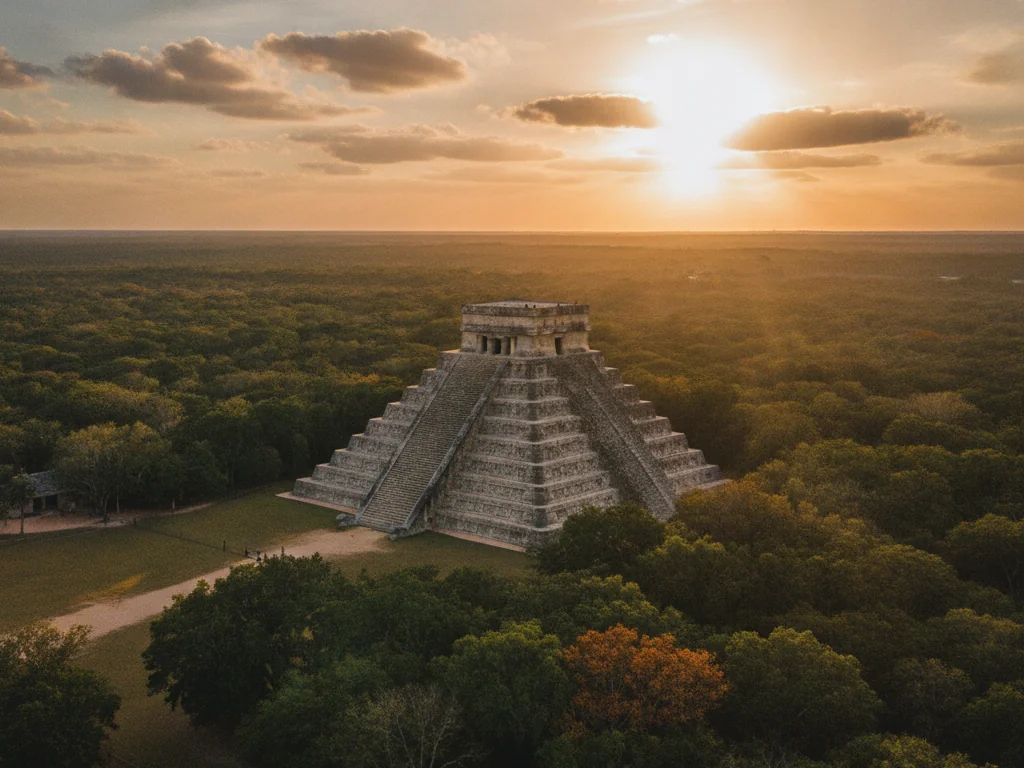
Easter timing shifts each year between late March and late April, landing in Mexico's driest stretch. March sees average highs of 27.7°C with just 38.1 mm of rain over 9.2 days, whilst April warms to 29.0°C with similarly low rainfall at 39.5 mm across 7.4 rainy days. This makes Easter one of the most comfortable school holidays from a weather perspective - warm enough for beach days without the relentless heat of summer, and dry enough that rain rarely disrupts plans. The trade-off comes in the form of concentrated crowds, as families from both hemispheres converge during the same fortnight. Popular beach towns and resorts fill quickly, and attractions like Chichen Itza or the cenotes near Tulum become exceptionally busy during the peak week. Booking well in advance becomes essential rather than merely advisable.
October Half-Term: Dodging Hurricane Season
October half-term falls at the tail end of the Caribbean hurricane season, and the statistics reflect this wet pattern. Cancun records 175.9 mm of rainfall across 20.8 days in October - the highest rainfall of any month. Average highs sit at 29.1°C with lows of 24.6°C, so the temperature remains pleasant, but rain becomes a near-daily companion. Most showers blow through in an hour or two, leaving afternoons salvageable, but families need backup plans for indoor activities. The upside: October represents a shoulder season for crowds even during half-term week, as many families avoid this window precisely because of weather uncertainty. Hotels and tours operate at lower capacity, queues shrink, and prices generally sit below summer and Easter levels. Families comfortable with flexibility and willing to work around afternoon storms can find value here.
Managing the Heat with Young Children
Peak holiday heat in Mexico - particularly July, August, and to a lesser extent October - requires deliberate planning when travelling with children. Mornings before 11am offer the most tolerable temperatures for outdoor activities, making this the best window for ruin visits, nature walks, or town exploration. Midday through mid-afternoon becomes pool or beach time, ideally with substantial shade from palapas or umbrellas. Air-conditioned breaks in museums, aquariums, or shopping centres help reset everyone's temperature before evening activities. Hydration matters more than families often anticipate: children need reminding to drink water throughout the day, not just when they feel thirsty. Sun protection escalates in importance as well - the Mexican sun at these latitudes burns quickly, and activities like snorkelling leave backs and shoulders particularly exposed. Pack high-SPF sunscreen in quantities that seem excessive and reapply after every swim.
Beating the Crowds at Major Attractions
School holiday crowds concentrate at specific locations and times, creating opportunities for families who adjust their schedules. Archaeological sites like Chichen Itza, Tulum, and Coba receive tour buses between 10am and 2pm, so arriving at opening time (typically 8am) or after 3pm cuts wait times and offers better photo opportunities. Isla Mujeres ferry crossings from Cancun see the heaviest traffic mid-morning; the earliest or latest ferries carry fewer passengers. Xcaret, Xel-Ha, and other theme parks fill fastest on cruise ship days - checking port schedules helps avoid the busiest dates. Beach clubs and cenotes near Tulum reach capacity by late morning during peak weeks; booking ahead or arriving before 9am secures entry. Even resort facilities experience patterns: pools and kids' clubs are quietest during mealtimes and late afternoon, whilst breakfast buffets thin out after the first hour.
Booking Strategy for School Holiday Windows
School holiday demand for Mexico means accommodation and flights require earlier booking than families might expect. For July, August, and Easter, securing flights and hotels six months ahead makes sense, particularly for specific resort properties or direct flight routes. October half-term allows slightly more flexibility - three to four months typically suffices - but the best-value options still disappear early. All-inclusive resorts that cater specifically to families (kids' clubs, waterslides, activity programmes) sell out their family rooms first, often before standard rooms fill. Tours and experiences with limited capacity - swimming with whale sharks, private cenote visits, small-group archaeological tours - need booking as soon as your flights are confirmed. Rental cars face particular pressure during summer holidays when multiple families arrive on the same flights; reserving well in advance avoids both sold-out situations and inflated last-minute rates.
Which Peak School Holiday Hurts Least
No school holiday window offers ideal conditions in Mexico, but families can choose their preferred compromise. Easter delivers the best weather - comfortable temperatures in the high 20s Celsius, minimal rainfall, and long dry stretches - but brings the most concentrated crowds and competitive booking. July runs slightly cooler than August and sees less rain (71.7 mm versus 125.5 mm), making it marginally more comfortable if summer is your only option; August's 18.8 rainy days mean a two-thirds chance of encountering a shower on any given day. October half-term presents the wettest conditions but the lightest crowds and often better value, suiting families who can adapt plans around afternoon storms and don't mind indoor contingencies. Temperature-wise, all three periods sit in similar ranges - the high 20s to low 30s Celsius - so heat management matters regardless of which you choose.
FAQ
Is it too hot to take young children to Mexico during the July and August summer holidays?
The heat is manageable but requires planning. July and August both see average highs of 30.8°C with warm nights around 26.1°C. Families succeed by scheduling outdoor activities early (before 11am), spending midday hours at pools or beaches with shade, and building in air-conditioned breaks. Toddlers and babies need particular attention to hydration, sun protection, and midday rest periods. Many families find the heat worthwhile for the guaranteed sunshine and full resort programming these months offer.
How much does it rain in Mexico during October half-term week and will it ruin our holiday?
October records the highest rainfall of the year at 175.9 mm across 20.8 rainy days. This doesn't mean constant rain - showers typically blow through in an hour or two, often in the afternoon, leaving mornings and evenings clear. Families should pack light rain jackets and have indoor backup plans (aquarium visits, shopping, resort activities), but rain rarely cancels entire days. The trade-off is lighter crowds and often better prices during this shoulder season period.
When should we book our Mexico holiday if we can only travel during school Easter break?
Easter represents Mexico's busiest family travel period as it coincides with spring breaks across multiple countries. Booking six months ahead secures the best selection of family-friendly resorts, direct flights, and preferred room types. Popular all-inclusive properties with strong kids' clubs sell out their family rooms first. Tours and activities with limited capacity (whale shark swims, private archaeological guides) need booking as soon as flights are confirmed to avoid disappointment.
What are the actual temperature differences between Mexico school holiday periods and does it matter for families with children?
Easter (late March to April) sees highs of 27.7-29.0°C, July and August both reach 30.8°C, and October half-term sits at 29.1°C. The numerical differences look small, but July and August's persistent heat with warm nights (26.1°C lows) feels more draining over a week-long holiday. Easter offers the most comfortable temperature range without excessive heat, whilst October's similar daytime warmth comes with more tolerable evening cooling to 24.6°C. All periods require sun protection and heat management strategies, but Easter and October feel less relentless than high summer.
Weather data: open-meteo (ERA5 reanalysis, 2014-2023 averages). Reviewed and updated periodically.