Portugal vs Italy for Families: Which to Pick?
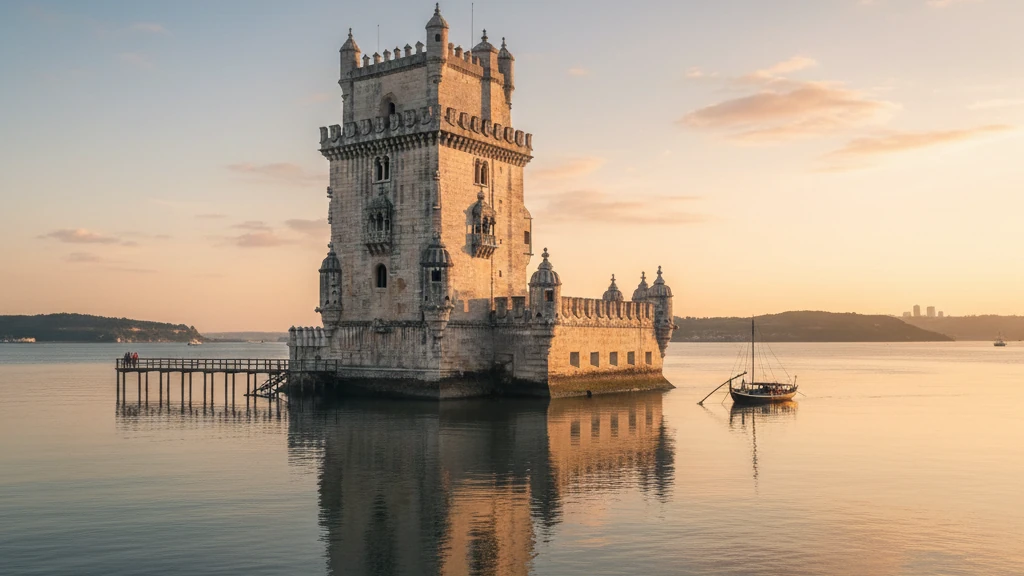
Both Portugal and Italy rank among Europe's most family-friendly destinations, blending culture, history, beaches, and delicious food into itineraries that work for all ages. Choosing between them comes down to your family's priorities: Portugal offers milder summers, quieter beaches, and a compact layout that keeps travel days short, while Italy delivers world-famous landmarks, extraordinary art, and a wider menu of climates and landscapes. This guide compares the two head-to-head using climate data, seasonal rhythms, and practical family considerations to help you decide which Mediterranean adventure suits your crew.
Quick Verdict: Who Should Pick Which?
Families seeking relaxed beach holidays with toddlers or young children often find Portugal easier to navigate. The country is smaller, distances between major family spots are short, and summer heat is less intense than in central Italy. Portugal's Atlantic coast delivers consistent surf and sand, and the pace feels unhurried. Italy, by contrast, rewards families with older children or teens who want to dive into history and art. The museums, ancient ruins, and iconic cities offer immersive learning experiences, though peak summer heat - especially in Rome - can test patience with little ones. If your family thrives on variety and you are prepared for longer travel days between regions, Italy's diverse geography and cultural depth make it a strong choice.

Weather Head-to-Head: Portugal vs Italy
Climate is one of the starkest differences. Portugal's Atlantic influence keeps summer temperatures moderate, while Italy's Mediterranean and continental climates produce hotter, drier summers inland and more rainfall in spring and autumn. Below are the monthly climate normals for Lisbon and Rome, the reference points for each country.
| Month | Avg high | Avg low | Rainfall | Rainy days |
|---|---|---|---|---|
| January | 14.3°C | 8.9°C | 51.6 mm | 8.0 |
| February | 15.4°C | 9.3°C | 53.6 mm | 7.5 |
| March | 17.0°C | 10.3°C | 54.0 mm | 8.0 |
| April | 19.0°C | 12.0°C | 65.3 mm | 9.3 |
| May | 22.6°C | 14.6°C | 39.8 mm | 4.6 |
| June | 24.6°C | 16.4°C | 13.8 mm | 3.7 |
| July | 27.3°C | 18.0°C | 2.3 mm | 0.7 |
| August | 27.9°C | 18.4°C | 1.5 mm | 0.6 |
| September | 25.8°C | 17.7°C | 40.9 mm | 5.0 |
| October | 22.9°C | 15.9°C | 74.3 mm | 9.3 |
| November | 17.7°C | 12.3°C | 85.3 mm | 10.6 |
| December | 15.6°C | 10.3°C | 78.6 mm | 7.7 |
| Month | Avg high | Avg low | Rainfall | Rainy days |
|---|---|---|---|---|
| January | 12.1°C | 3.9°C | 76.8 mm | 10.4 |
| February | 14.0°C | 5.2°C | 78.6 mm | 9.0 |
| March | 16.1°C | 6.1°C | 85.9 mm | 10.4 |
| April | 19.2°C | 8.9°C | 62.8 mm | 9.5 |
| May | 23.1°C | 13.0°C | 71.6 mm | 11.5 |
| June | 28.8°C | 17.5°C | 41.8 mm | 5.6 |
| July | 32.2°C | 20.7°C | 21.0 mm | 4.6 |
| August | 31.9°C | 20.8°C | 26.8 mm | 4.4 |
| September | 27.0°C | 17.2°C | 81.2 mm | 8.6 |
| October | 22.4°C | 13.5°C | 93.0 mm | 10.4 |
| November | 17.2°C | 9.7°C | 157.8 mm | 13.9 |
| December | 13.6°C | 5.6°C | 93.7 mm | 9.5 |
In July and August, Lisbon averages 27.3°C and 27.9°C highs with almost no rain (2.3 mm and 1.5 mm respectively), while Rome reaches 32.2°C and 31.9°C - a meaningful difference when touring ruins or walking cobblestone streets with children. Portugal's summer is warm but not scorching, and the Atlantic breeze along the coast provides natural air conditioning. Italy's summer heat, especially inland and south of Rome, demands early starts, long midday breaks, and evening excursions to keep everyone comfortable. Both countries enjoy dry summers ideal for beach days, but Portugal's slightly cooler highs and negligible rainfall in July and August make outdoor plans more forgiving for families with young children.
Best Time to Visit Portugal for Families
Late May through June and September stand out as the sweet spot for family travel in Portugal. May sees highs around 22.6°C with only 39.8 mm of rain spread over 4.6 days, delivering warm, stable weather without peak-season crowds. June warms to 24.6°C and dries further (13.8 mm, 3.7 rainy days), perfect for beach resorts in the Algarve or exploring Lisbon's hilltop neighbourhoods. September remains summery at 25.8°C with moderate rainfall (40.9 mm), and schools back in session mean quieter attractions and better availability. July and August offer guaranteed sunshine and the warmest ocean temperatures, but beaches and tourist sites fill with European holidaymakers. Shoulder seasons deliver better value, shorter queues, and comfortable conditions for sightseeing with children.
Best Time to Visit Italy for Families
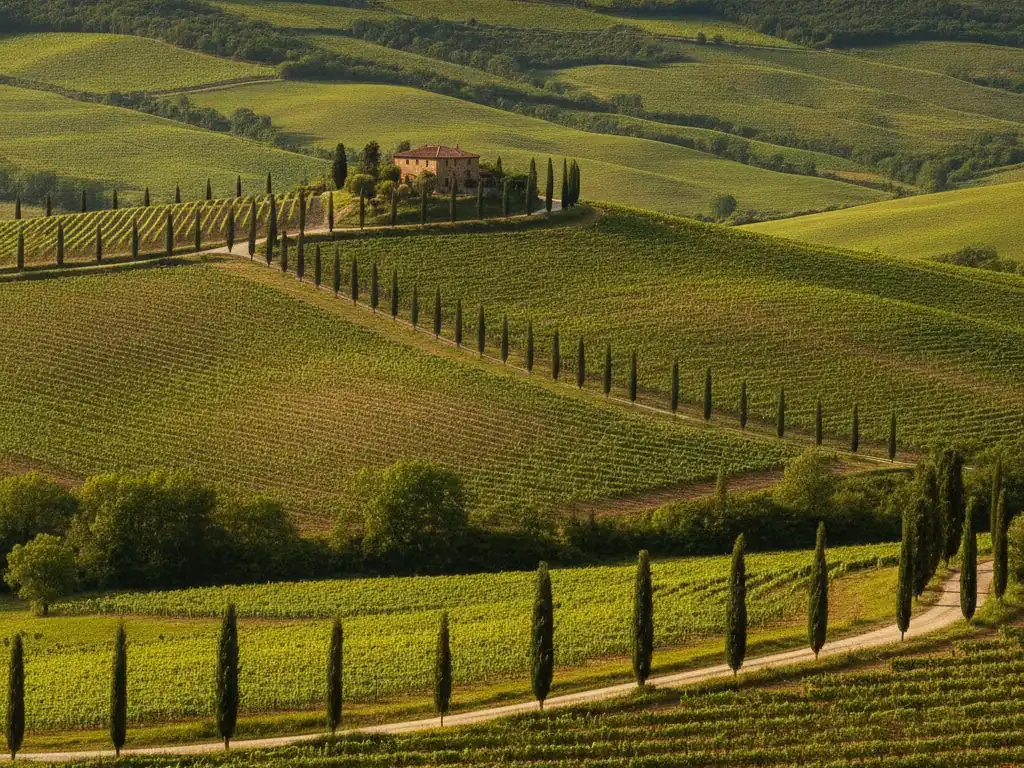
For Italy, late April through early June and late September into early October balance pleasant weather with manageable crowds. May in Rome averages 23.1°C, though rainfall ticks up to 71.6 mm over 11.5 days - more than Portugal but still workable with flexible planning. June heats to 28.8°C and dries out (41.8 mm), ideal for combining city touring with coastal escapes. September cools slightly to 27.0°C but brings increased rainfall (81.2 mm), so pack layers and a compact umbrella. July and August are peak season: searingly hot in cities, crowded at major landmarks, and expensive. Families with school-age children often have no choice but to travel in summer; in that case, prioritize beach time on the Amalfi Coast or Sardinia and save indoor museums and air-conditioned activities for the hottest midday hours.
Crowds and Cost: Timing Your Trip
Both countries follow a similar seasonal pattern, with summer as peak season and late spring or early autumn as shoulder periods offering better value. Portugal generally feels less overwhelmed than Italy outside July and August, especially in smaller towns and the Algarve. Lisbon and Porto see steady tourist traffic from May through September, but rarely reach the saturation levels of Venice, Florence, or Rome during peak weeks. Accommodation and flights cost less in shoulder months for both destinations, and booking family-friendly hotels or apartments weeks ahead rather than months provides more choice. Winter in both countries is low season: Portugal's Atlantic climate brings frequent rain (November sees 85.3 mm over 10.6 days in Lisbon), while Rome's winter is cooler and wetter (December logs 93.7 mm over 9.5 days). Families with flexible schedules can find exceptional deals from November through March, though beach holidays are off the table and some coastal attractions close.
Beaches and Activities for Kids
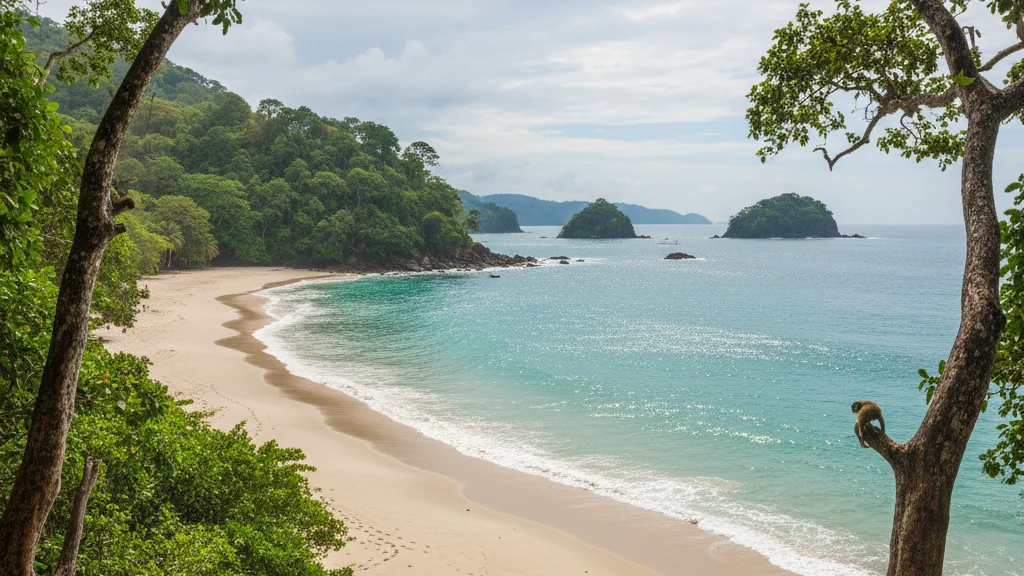
Portugal's coastline delivers consistent family-friendly beaches with lifeguards, clean sand, and facilities. The Algarve is purpose-built for beach holidays, with calm bays, water sports, and abundant family resorts. The Atlantic surf can be vigorous on the west coast, so families with toddlers should stick to southern shores. Beyond beaches, Portugal offers dolphin watching, castle exploring (Sintra's fairy-tale palaces captivate all ages), and tram rides through Lisbon's historic districts. Italy's beach variety is greater: Sardinia and Sicily boast turquoise shallows and white sand, the Amalfi Coast combines dramatic scenery with pebble coves, and Adriatic resorts near Rimini cater to families with playgrounds and shallow entry. Italy's cities themselves are open-air museums - the Colosseum, Pompeii, and Venetian canals immerse children in history more vividly than textbooks ever could. For families balancing culture and beach time, Italy's geographic diversity rewards longer stays, while Portugal's compact layout suits shorter trips where every day counts.
Which Family Should Pick Which?
Families traveling with children under eight, those prioritizing beach time, or first-time visitors to southern Europe will find Portugal more manageable. The country's size means less transit stress, and the milder summer climate keeps everyone happier during midday outings. English is widely spoken in tourist areas, and Portuguese hospitality is warm and child-friendly. Italy suits families with older children ready to engage with art, history, and diverse landscapes. A two-week Italy itinerary might combine Rome's ancient sites, Florence's Renaissance treasures, and a week on the Amalfi Coast - ambitious but unforgettable for curious teens. Italy also offers more variety for return visits: each region feels distinct, and families can explore a different slice of the country each trip. If your family loves food culture, Italy's regional cuisines and trattorias make every meal an event, while Portugal's simpler fare (fresh seafood, pasteis de nata) is delicious but less varied.
What to Pack for Each Destination
Summer travel to Portugal calls for lightweight clothing, sun hats, reef-safe sunscreen, and a light sweater for evening coastal breezes. Rain gear is unnecessary in July and August but essential if visiting in shoulder or low season. Italy demands similar summer packing but with added sun protection for intense midday heat - wide-brimmed hats, UV-protective clothing, and refillable water bottles for everyone. Modest clothing is required for visiting churches and religious sites in Italy (covered shoulders and knees), so pack a light scarf or wrap. Both destinations have excellent pharmacies stocked with familiar brands, so don't overpack children's medication or toiletries. Comfortable walking shoes with good support are non-negotiable in both countries - cobblestone streets and hilly old towns punish flip-flops and flimsy sandals.
FAQ
Is Portugal or Italy better for families with young children who get overwhelmed in crowds?
Portugal tends to feel less crowded outside peak summer weeks, especially in smaller coastal towns and the Algarve. Italy's marquee cities - Rome, Venice, Florence - draw enormous crowds year-round, and navigating them with strollers or overtired toddlers can be stressful. If your family needs space and a slower pace, Portugal's compact layout and quieter attractions provide a gentler introduction to European travel.
Which country offers better beach weather for a family holiday in late May or early June?
Both deliver excellent beach weather in late May and June, but Portugal's ocean warms more slowly due to Atlantic currents. Late June is ideal for Portugal's Algarve beaches, while Italy's Adriatic and southern coasts (Puglia, Sicily) are swimmable from mid-May onward. June highs in Lisbon average 24.6°C with minimal rain, while Rome reaches 28.8°C - both comfortable for beach days, though Italy edges ahead for families prioritizing warm water early in the season.
How do summer temperatures in Portugal and Italy compare for sightseeing with children?
Portugal's summer is noticeably cooler. July highs in Lisbon average 27.3°C compared to Rome's 32.2°C, a difference that matters when walking tours or outdoor attractions fill your itinerary. Italy's inland cities can feel oppressive in July and August, requiring strategic planning - early museum visits, long midday breaks, and evening gelato strolls. Portugal's milder summer heat lets families maintain a more flexible daily rhythm without wilting by noon.
Can families visit Portugal or Italy affordably outside peak summer season, and what is the trade-off with weather?
Both countries offer significant savings in shoulder and low seasons, with April, May, late September, and October delivering the best balance of cost and weather. Spring and early autumn bring more rainfall - May in Rome logs 71.6 mm over 11.5 days, while October in Lisbon sees 74.3 mm over 9.3 days - but temperatures remain pleasant for sightseeing (low to mid-20s°C). Pack rain jackets and build flexible itineraries with indoor backup plans, and you will enjoy lower prices, shorter lines, and fewer crowds while still experiencing each country at its best.
Weather data: open-meteo (ERA5 reanalysis, 2014-2023 averages). Reviewed and updated periodically.