What to Pack for Egypt with Kids (Season by Season)
Packing for a family trip to Egypt requires careful attention to the country's desert climate and dramatic seasonal temperature swings. Egypt experiences scorching summers, mild winters, and minimal rainfall year-round, making it a destination where clothing choices depend heavily on travel dates. Families will need to balance sun protection, layering options for cool evenings, and practical gear for exploring ancient sites with energetic children. This guide breaks down essential packing lists season by season, using climate data from Hurghada as a reference point for Egypt's popular Red Sea coast and broader weather patterns.
| Month | Avg high | Avg low | Rainfall | Rainy days |
|---|---|---|---|---|
| January | 20.6°C | 13.3°C | 1.4 mm | 0.4 |
| February | 21.7°C | 14.4°C | 1.0 mm | 0.4 |
| March | 24.2°C | 16.7°C | 4.9 mm | 0.4 |
| April | 27.4°C | 19.9°C | 0.5 mm | 0.1 |
| May | 30.9°C | 23.6°C | 0.4 mm | 0.2 |
| June | 33.3°C | 26.3°C | 0.0 mm | 0.0 |
| July | 34.5°C | 28.1°C | 0.0 mm | 0.0 |
| August | 35.0°C | 28.4°C | 0.0 mm | 0.0 |
| September | 33.2°C | 26.6°C | 0.1 mm | 0.0 |
| October | 29.9°C | 23.5°C | 4.5 mm | 0.2 |
| November | 26.2°C | 19.6°C | 0.3 mm | 0.1 |
| December | 22.6°C | 15.7°C | 0.3 mm | 0.1 |
Spring Packing Essentials (March-May)
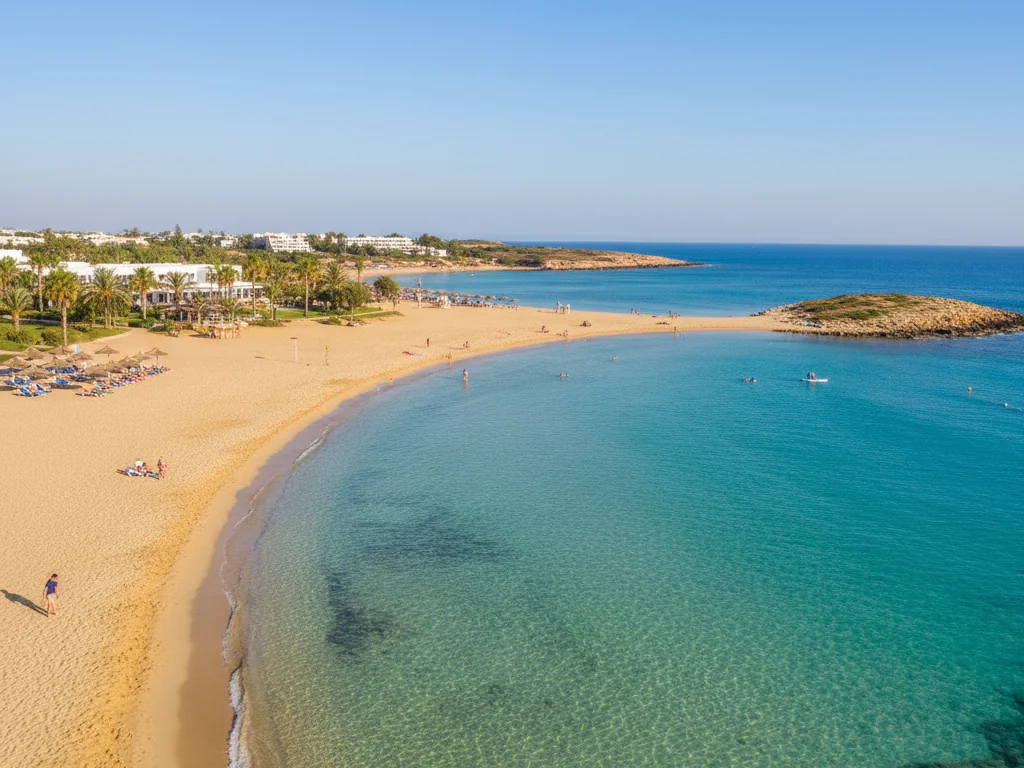
Spring in Egypt brings steadily climbing temperatures, with highs rising from 24.2°C in March to 30.9°C by May, and lows ranging from 16.7°C to 23.6°C. Rainfall remains negligible, with March recording the season's highest precipitation at just 4.9 mm over less than half a rainy day. Families should pack lightweight, breathable clothing as the primary wardrobe, including loose-fitting cotton trousers, knee-length shorts, and short-sleeved shirts for daytime exploration. However, evenings in March can feel cool, particularly in desert areas away from the coast, so bringing one light fleece or long-sleeved layer per family member is practical. As temperatures climb through April and May, focus shifts to sun protection - wide-brimmed hats, UV-protective clothing, and lightweight linen or moisture-wicking fabrics become essential. Pack swimwear for hotel pools and beach time, and consider bringing a thin beach cover-up for children to prevent shoulder burns during extended water play.
Summer Packing Essentials (June-August)
Summer represents Egypt's most extreme season, with average highs reaching 33.3°C in June and peaking at 35.0°C in August, while nighttime lows hover between 26.3°C and 28.4°C. Rainfall drops to zero millimetres throughout these months, creating bone-dry conditions. The packing priority shifts entirely to heat management and sun safety. Families need the absolute minimum of lightweight, loose-fitting clothing in natural fibres - think maximum two outfits per person that can be rinsed and dried overnight in the arid climate. White or light-coloured clothing reflects heat better than dark colours. Children will need multiple swimsuits for frequent pool breaks and cooling off. A critical item often overlooked is a small battery-powered or USB fan for each child, providing portable relief during outdoor temple visits. Pack cooling towels that activate with water, and consider lightweight sun-protective rash guards for beach and pool activities. Evening temperatures remain warm enough that no jacket or sweater is necessary, though bringing one light layer for heavily air-conditioned restaurants or museums may prevent discomfort.
Autumn Packing Essentials (September-November)
Autumn offers families increasingly comfortable conditions as temperatures gradually retreat from summer peaks. September still registers warm highs of 33.2°C, but by November temperatures moderate to 26.2°C during the day and 19.6°C overnight. Rainfall remains minimal, with October seeing the season's highest precipitation at just 4.5 mm. Early autumn packing mirrors late summer - prioritize lightweight, breathable fabrics and sun protection. As the season progresses into October and November, families should introduce light layering options for morning starts and evening activities. A thin cardigan or zip-up hoodie for each child works well for temperature fluctuations. This shoulder season is ideal for more varied clothing choices, including comfortable trousers for both adults and children exploring archaeological sites where modest dress is appreciated. Pack a mix of short and long-sleeved options, and consider bringing closed-toe walking sandals as daytime temperatures become less punishing.
Winter Packing Essentials (December-February)
Winter in Egypt brings the mildest conditions, though temperatures still feel warm by many standards. Highs range from 20.6°C in January to 22.6°C in December, while overnight lows drop to 13.3°C in January and 14.4°C in February. Rainfall remains scant, with January recording just 1.4 mm across less than half a rainy day. This season demands the most varied packing approach. Daytime exploration typically requires light long-sleeved shirts or short sleeves with a cardigan option, comfortable long trousers, and closed-toe shoes. However, evenings and early mornings feel genuinely cool, particularly in desert locations like Luxor or during Nile cruises. Each family member should pack a medium-weight jacket or fleece - nothing heavy, but sufficient for outdoor evening activities. Children may need an extra layer for sunset felucca rides or late dinners. Winter is also beach season along the Red Sea, so swimwear and sun protection remain essential despite cooler air temperatures, as UV intensity stays high year-round.
Footwear for Egyptian Adventures
Footwear choices can make or break a family trip to Egypt, where daily itineraries often involve extensive walking across sand, uneven stone pathways, and occasionally slippery temple floors. Each family member needs at least two pairs of comfortable, well-broken-in walking shoes. Closed-toe sandals with sturdy straps and arch support work well for most seasons, providing breathability while protecting feet from hot sand and debris. Lightweight trainers or walking shoes are essential for pyramid climbs, valley hikes, and navigating crowded bazaars. Flip-flops serve exclusively as pool and hotel room footwear - they offer inadequate support for sightseeing and can become hazards on polished stone surfaces. For summer travel, prioritize shoes that can get wet and dry quickly, as children will inevitably splash through fountains and paddle at beaches. Avoid brand-new shoes, as the combination of heat, sand, and long walking days creates a perfect storm for blisters that will derail young travellers.
Sun and Rain Protection Strategies
Egypt's intense sun and negligible rainfall create unique protection needs. Sun defence requires multiple layers of strategy: high-SPF broad-spectrum sunscreen in large quantities, wide-brimmed hats that won't blow off in desert winds (consider hats with chin straps for children), and UV-protective sunglasses for every family member including toddlers. A lightweight sun umbrella or parasol provides mobile shade during long archaeological site visits where natural shade is scarce. Reusable water bottles with insulation keep drinks cool and encourage constant hydration. Despite minimal rainfall in the data - March records the highest precipitation at just 4.9 mm - packing one compact rain jacket per person provides insurance for the occasional freak shower and doubles as windbreak during desert evenings. Lip balm with SPF prevents painful chapping in the dry climate, and after-sun gel soothes inevitable minor burns.
Kids' Essentials Beyond Clothing
Successful family travel in Egypt requires packing specific items that keep children comfortable, entertained, and healthy. Bring a compact first-aid kit with plasters, antiseptic wipes, children's pain relief, anti-diarrhoeal medication, and any prescription medicines in original packaging. Sand toys or small buckets entertain younger children at beach hotels, though these can be purchased locally if luggage space is tight. Portable snacks familiar to children - granola bars, dried fruit, crackers - provide backup when restaurant options feel unfamiliar or meal timing is delayed. Wet wipes and hand sanitiser see constant use in a country where handwashing facilities vary in cleanliness. A small backpack for each child to carry their own water bottle, hat, and entertainment builds responsibility and distributes weight. Consider packing a tablet loaded with downloaded content for long coach journeys between sites, though many families find Egyptian landscapes captivating enough to hold children's attention naturally.
What NOT to Bring
Overpacking is the most common mistake families make when preparing for Egypt. Heavy jeans and thick clothing are unnecessary year-round - even winter temperatures rarely justify anything beyond a light fleece. Bulky towels add weight when most hotels provide them, and lightweight travel towels suffice for beach outings. Excessive toiletries waste space, as basic items like shampoo and soap are readily available in Egyptian cities and resorts. Formal clothing rarely sees use - Egypt's tourism infrastructure is casual, and even upscale restaurants typically accept smart-casual attire. Multiple pairs of shoes beyond the recommended two per person create packing bulk without benefit. Expensive jewellery or accessories attract unwanted attention and add worry. Remember that Egypt's dry climate means clothing dries overnight, so families can pack fewer items and do occasional sink-washing rather than bringing outfits for every single day.
FAQ
What should children wear when visiting mosques and religious sites in Egypt with the family?
Children should wear clothing that covers shoulders and knees when visiting mosques and certain religious sites. Loose-fitting trousers or long skirts work well, paired with short or long-sleeved shirts that aren't too tight or revealing. Many mosques provide robes or coverings at entrances for visitors whose clothing doesn't meet requirements, but having appropriate clothes packed prevents delays and ensures comfort. Shoes must be removed before entering prayer halls, so easy-to-remove footwear helps with young children.
How much sunscreen should we pack for a two-week family trip to Egypt during summer?
For a family of four spending two weeks in Egypt during summer months when temperatures exceed 33°C and sunshine is constant, plan on approximately 300-400ml of sunscreen per person for the entire trip. Children require frequent reapplication, especially after swimming or sweating, and both adults and kids need coverage on often-forgotten areas like ears, feet, and hands. While sunscreen is available in Egyptian pharmacies and shops, familiar brands may be harder to find and more expensive, so bringing adequate supplies from home ensures you have products you trust and that work with your children's skin.
Do we need to pack any warm clothing for children if we're visiting Egypt in July or August?
Warm clothing is largely unnecessary during July and August when overnight lows remain around 28°C and daytime highs reach 35°C. However, one very light long-sleeved layer per child can be useful for intensely air-conditioned environments like shopping malls, museums, and some restaurants where the temperature contrast from outdoor heat can feel uncomfortable. A thin cotton cardigan or lightweight hoodie suffices - nothing resembling winter clothing is needed. The layer also provides additional sun protection during extended outdoor periods.
What type of bag or luggage works best for families travelling around Egypt with children?
A combination of wheeled luggage for main packing and daypacks for daily excursions works best for families in Egypt. Soft-sided suitcases navigate Egypt's varied accommodation stairs and transport options more easily than hard cases. Each family member should have a comfortable daypack or small backpack for carrying water bottles, snacks, sun protection, and light layers during site visits. Many archaeological locations involve uneven terrain, steps, and sand where wheeled bags are impractical, making backpacks essential for daily use. Choose bags with multiple compartments to separate wet swimwear, sandy shoes, and clean clothes during multi-destination trips.
Weather data: open-meteo (ERA5 reanalysis, 2014-2023 averages). Reviewed and updated periodically.