What to Pack for Jordan with Kids (Season by Season)
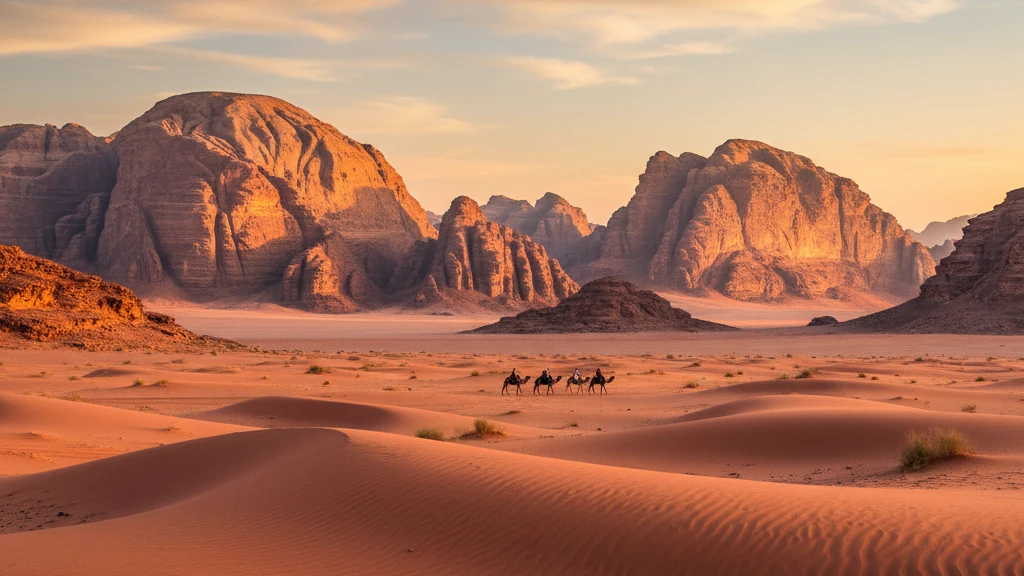
Packing for a family trip to Jordan requires careful planning around the country's distinct seasonal variations and diverse terrain. From the cool highlands of Amman to the desert heat of Wadi Rum and the warm shores of the Red Sea, Jordan's climate shifts dramatically throughout the year. Understanding these patterns helps families pack efficiently for archaeological sites, desert adventures, and urban exploration with children in tow. This guide breaks down essential gear and clothing by season, using climate data to ensure comfort and preparedness for every family member.
| Month | Avg high | Avg low | Rainfall | Rainy days |
|---|---|---|---|---|
| January | 11.2°C | 3.9°C | 67.3 mm | 8.3 |
| February | 13.2°C | 4.7°C | 62.2 mm | 7.8 |
| March | 16.4°C | 7.2°C | 53.4 mm | 7.8 |
| April | 22.1°C | 10.8°C | 18.0 mm | 3.1 |
| May | 26.8°C | 15.1°C | 11.3 mm | 1.8 |
| June | 29.5°C | 17.5°C | 0.8 mm | 0.4 |
| July | 32.0°C | 19.7°C | 0.0 mm | 0.0 |
| August | 32.1°C | 20.0°C | 0.2 mm | 0.0 |
| September | 30.0°C | 18.7°C | 1.8 mm | 0.6 |
| October | 25.3°C | 15.6°C | 13.1 mm | 2.1 |
| November | 18.8°C | 10.3°C | 30.9 mm | 5.7 |
| December | 13.7°C | 6.2°C | 44.4 mm | 6.4 |
Spring Packing Essentials (March - May)
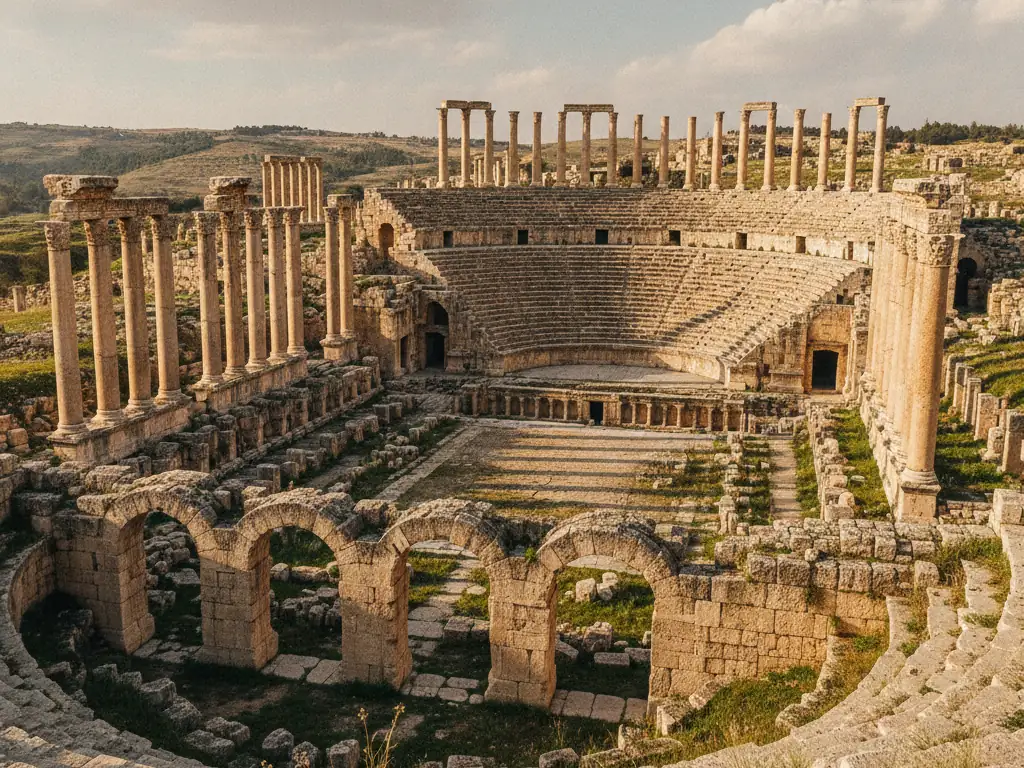
Spring in Jordan brings rising temperatures and diminishing rainfall, making it one of the most comfortable seasons for family travel. March sees average highs of 16.4°C and lows of 7.2°C with 53.4 mm of rain across roughly eight days, while by May temperatures climb to 26.8°C during the day and 15.1°C at night with minimal precipitation of just 11.3 mm. April sits in the middle with highs around 22.1°C and only 18.0 mm of rainfall spread over about three rainy days. Layering becomes essential during this transitional season, as mornings at Petra can feel chilly while midday sun in the desert grows intense. Pack lightweight long-sleeved shirts that protect from sun exposure, comfortable trousers for children who will be climbing ancient steps, and a medium-weight fleece or hoodie for cooler evenings. A compact rain jacket remains useful in March but becomes less critical by late April. Spring also marks the beginning of serious sun exposure, so wide-brimmed hats and sunglasses for every family member should move to the top of the packing list.
Summer Packing Essentials (June - August)
Summer in Jordan is characterized by hot, dry conditions with virtually no rainfall. June averages 29.5°C highs and 17.5°C lows with less than 1 mm of rain, while July and August peak at 32.0°C and 32.1°C respectively with nighttime temperatures around 19.7-20.0°C and essentially zero precipitation. The heat demands breathable, loose-fitting clothing in light colors that reflect rather than absorb sunlight. Natural fabrics like cotton and linen work better than synthetics for children who will be active at archaeological sites. Pack multiple changes of lightweight clothing since frequent washing becomes necessary in the heat. Long, loose trousers and long-sleeved shirts offer better sun protection than shorts and tank tops, particularly for fair-skinned children. Evening temperatures remain pleasant, so heavy layers are unnecessary, but a light cardigan can be useful for air-conditioned restaurants and hotels. The bone-dry conditions mean rain gear can be left at home entirely, but dust protection for electronics and a bandana or buff for sandstorms in desert areas proves worthwhile.
Autumn Packing Essentials (September - November)
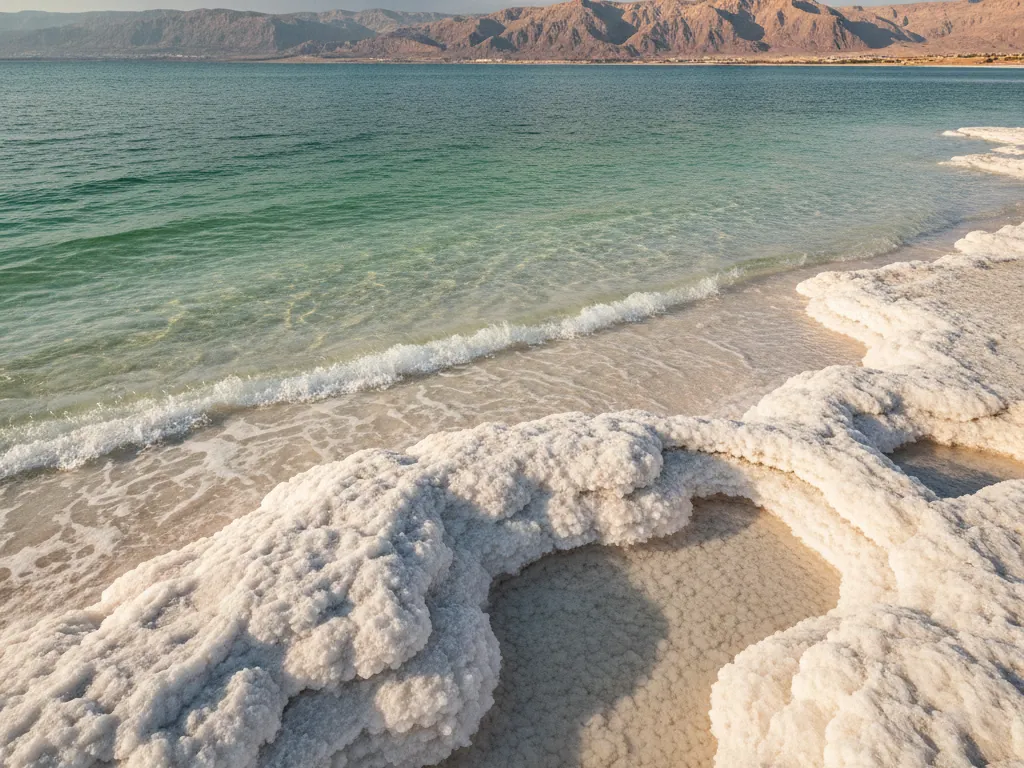
Autumn sees a gradual cooling trend and the return of occasional rainfall. September remains warm at 30.0°C with lows of 18.7°C and minimal rain at 1.8 mm, but by November temperatures drop to 18.8°C during the day and 10.3°C at night with 30.9 mm of rainfall across nearly six rainy days. October offers moderate conditions with 25.3°C highs, 15.6°C lows, and 13.1 mm of precipitation. Early autumn packing mirrors summer needs with lightweight, breathable layers, but as the season progresses families should add warmer options. A versatile fleece jacket becomes essential by late October, and long trousers replace shorts as the primary choice for children. November weather can feel unpredictable, so packing a waterproof outer layer returns to the priority list. Mornings and evenings grow cool enough that children will need an extra layer for early starts at Petra or sunset watching in Wadi Rum. This shoulder season offers excellent conditions for hiking with kids, so comfortable, broken-in walking shoes and moisture-wicking socks become particularly important.
Winter Packing Essentials (December - February)
Winter in Jordan brings the coolest temperatures and highest rainfall of the year. December averages 13.7°C highs and 6.2°C lows with 44.4 mm of rain over about six days, January sees 11.2°C and 3.9°C with 67.3 mm across eight rainy days, and February warms slightly to 13.2°C and 4.7°C with 62.2 mm of precipitation. These conditions demand a different packing strategy focused on warmth and weather protection. Thermal base layers for children help maintain comfort during long days outdoors, while insulating mid-layers like fleece or lightweight down jackets provide essential warmth. A quality waterproof jacket with a hood becomes non-negotiable for every family member, as winter storms can be persistent. Pack warm hats, gloves, and scarves for children, particularly for early morning starts or visits to higher elevations where temperatures drop further. Jeans or heavier trousers replace lighter summer fabrics, and closed-toe shoes with good grip become essential on potentially slippery ancient stones. Despite the cooler conditions, daytime sun can still be strong, so sun protection remains relevant. The key to winter packing is versatility - layers that can be added or removed as conditions change throughout the day.
Footwear for All Seasons
Choosing appropriate footwear for Jordan requires balancing comfort, support, and practicality across varied terrain. Archaeological sites like Petra involve extensive walking on uneven ancient paving stones, steps, and rocky paths that can be challenging for small feet. Sturdy, closed-toe walking shoes or hiking boots with good ankle support and grippy soles prove essential for children of all ages. Break in all footwear thoroughly before departure to avoid blisters during long exploration days. Sandals with back straps offer relief during downtime at hotels and work well for older children in urban areas, but flip-flops provide insufficient support for active sightseeing. For desert experiences in Wadi Rum, closed shoes prevent sand intrusion and protect against hot surfaces during summer months. Lightweight, breathable shoes work best from May through September, while water-resistant options become valuable during winter's wetter months from December through February. Pack an extra pair of shoes for each child in case one gets wet or uncomfortable, as foot problems can derail family travel plans quickly. Moisture-wicking socks in multiple pairs help prevent blisters and keep feet comfortable across all seasons.
Sun and Rain Protection
Jordan's intense sun and seasonal rainfall patterns demand specific protective gear for families. Sun exposure remains significant year-round, even during cooler winter months when families might underestimate UV intensity. Wide-brimmed hats that shade faces and necks prove more effective than baseball caps for children, particularly in summer when temperatures exceed 30°C from June through September. High-SPF sunscreen rated for sensitive skin should be applied liberally and frequently, with stick formulas working well for squirmy children. UV-protective sunglasses with straps help ensure young children keep them on during outdoor activities. Lightweight sun-protective clothing with UPF ratings offers an additional defense layer during peak sun hours. For rain protection, focus packing efforts on the wetter months from November through March, when monthly rainfall ranges from 30.9 mm to 67.3 mm. Compact, packable rain jackets for each family member take minimal luggage space while providing essential coverage during unexpected showers. A small travel umbrella can shield electronics and bags during walks between sites. Desert areas may experience rare but intense rainfall even during dry months, so keeping a lightweight rain layer accessible proves wise year-round.
Kids' Comfort and Entertainment Essentials
Beyond clothing and weather protection, several specialized items enhance comfort and cooperation during family travel in Jordan. A lightweight, comfortable backpack for each child who can carry one distributes the load and gives them ownership of their belongings. Pack refillable water bottles for everyone, as staying hydrated is critical particularly from May through September when temperatures climb above 25°C and rainfall becomes negligible. Electrolyte powder packets help replace minerals lost through perspiration during hot weather exploration. Small, quick-drying travel towels serve multiple purposes from wiping faces to providing impromptu picnic surfaces. A basic first-aid kit tailored for children should include blister plasters, antihistamine cream, children's pain reliever, and any prescription medications with extra days' supply. Wet wipes and hand sanitizer maintain hygiene when facilities are basic. For long drives between sites, pack lightweight entertainment like small card games, coloring supplies, or downloaded content on tablets. A portable phone charger ensures devices stay powered for photos and navigation. Modest clothing that covers shoulders and knees respects local customs and is required at religious sites, so pack appropriate options even during hot summer months when temperatures reach 32°C.
What to Leave at Home
Efficient packing for Jordan means knowing what to exclude as much as what to bring. Heavy guidebooks add unnecessary weight when most information is accessible digitally. Excessive formal clothing rarely gets used, as Jordan's attractions demand practical, comfortable attire. Skip bulky hair dryers and styling tools since most hotels provide basic versions. Expensive jewelry serves no purpose and creates security concerns. Large beach towels are unnecessary as hotels and Dead Sea facilities provide them. Avoid packing excessive toiletries, as Amman and tourist areas stock familiar brands, and liquids add weight while risking luggage spills. Specialized outdoor equipment like camping gear or climbing apparatus is best arranged locally through tour operators who know terrain and conditions. Single-use plastic bags and containers create waste in a country working to reduce environmental impact. Leave behind any political or religious materials that might cause issues at borders or checkpoints. Most importantly, resist the urge to pack for every possible scenario - Jordan's cities offer shopping opportunities for forgotten items or unexpected needs that arise during travel.
FAQ
What should I pack for visiting Petra with young children during different seasons?
For spring visits in March through May when temperatures range from 16.4°C to 26.8°C, pack layers including long-sleeved shirts, comfortable trousers, and a light jacket for morning chill. Summer visits from June through August with temperatures reaching 32°C demand sun protection including wide-brimmed hats, lightweight breathable clothing, and plenty of sunscreen. Autumn months of September through November require transitional wardrobes with highs dropping from 30°C to 18.8°C, so pack both light layers and a fleece jacket. Winter visits from December through February need warm layers for temperatures between 11.2°C and 13.7°C, plus waterproof jackets as rainfall reaches 44.4-67.3 mm monthly. Regardless of season, sturdy walking shoes with good grip are essential for navigating Petra's ancient stone pathways safely with children.
How much warmer clothing do kids need for Jordan in winter compared to summer?
The contrast between seasons is significant. Summer months of June through August see daytime highs of 29.5-32.1°C with virtually zero rainfall, requiring only lightweight breathable clothing and sun protection. Winter months of December through February bring highs of just 11.2-13.7°C and lows of 3.9-6.2°C with 44.4-67.3 mm of rainfall, necessitating thermal base layers, insulating fleece or down jackets, waterproof outer layers, warm hats, gloves, and scarves. The temperature difference of roughly 20°C between seasons means winter packing lists must include multiple warm layers that would be completely unnecessary during summer months.
Is rain gear necessary for a family trip to Jordan and during which months?
Rain gear is essential during winter and useful during shoulder seasons but unnecessary in summer. From June through September, rainfall is negligible with July and August recording 0.0-0.2 mm and zero rainy days, making waterproof clothing pointless during these months. March sees 53.4 mm of rain over roughly eight days, making a compact rain jacket worthwhile. November through February marks the wettest period with monthly rainfall ranging from 30.9 mm to 67.3 mm across five to eight rainy days, making waterproof jackets essential for every family member. April, May, September, and October have minimal rainfall of 1.8-18.0 mm, where a lightweight packable rain layer provides insurance without taking much luggage space.
What kind of shoes work best for children exploring Jordan's desert and archaeological sites?
Sturdy, closed-toe walking shoes or lightweight hiking boots with good ankle support and grippy soles work best for children across all of Jordan's attractions. These handle uneven ancient stone pathways at Petra, rocky desert terrain in Wadi Rum, and urban exploration in Amman. The shoes should be thoroughly broken in before travel to prevent blisters during long walking days. For summer months when temperatures exceed 30°C, choose breathable materials that won't overheat small feet. During winter months with highs of 11.2-13.7°C and rainfall up to 67.3 mm, water-resistant footwear prevents wet feet on slippery stones. Pack at least two pairs per child so one can dry or rest if the other becomes uncomfortable, and bring moisture-wicking socks in multiple pairs for all seasons.
Weather data: open-meteo (ERA5 reanalysis, 2014-2023 averages). Reviewed and updated periodically.