What to Pack for Seychelles with Kids (Season by Season)
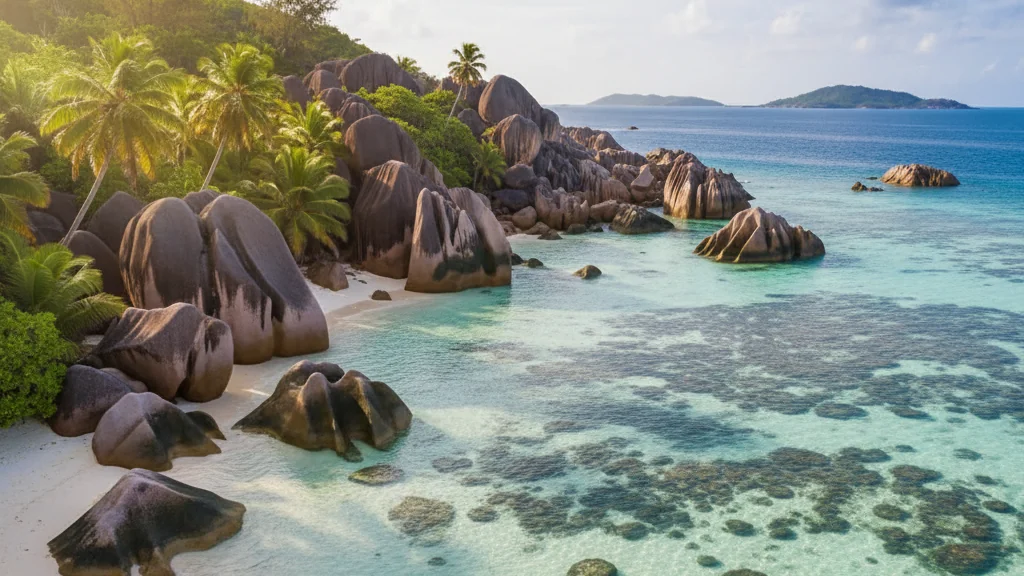
Packing for a family trip to the Seychelles requires careful attention to the islands' tropical climate, which shifts between warm, humid conditions year-round and two distinct monsoon patterns. With temperatures hovering between 23°C and 26°C throughout the year and rainfall varying dramatically by season, choosing the right clothing and gear ensures families stay comfortable whether exploring granite beaches, hiking jungle trails, or snorkeling in coral lagoons. This guide breaks down essential packing considerations season by season, helping families prepare for Seychelles' unique weather patterns while keeping luggage practical and child-friendly.
| Month | Avg high | Avg low | Rainfall | Rainy days |
|---|---|---|---|---|
| January | 24.9°C | 23.3°C | 260.4 mm | 23.2 |
| February | 25.4°C | 23.9°C | 172.1 mm | 15.7 |
| March | 26.0°C | 24.3°C | 117.7 mm | 15.6 |
| April | 26.2°C | 24.3°C | 146.3 mm | 20.1 |
| May | 25.7°C | 24.1°C | 190.3 mm | 23.0 |
| June | 24.5°C | 23.3°C | 115.7 mm | 20.2 |
| July | 23.4°C | 22.3°C | 86.3 mm | 18.2 |
| August | 23.4°C | 22.3°C | 79.6 mm | 17.3 |
| September | 24.0°C | 22.7°C | 146.4 mm | 19.3 |
| October | 24.8°C | 23.3°C | 147.6 mm | 19.8 |
| November | 25.1°C | 23.4°C | 202.0 mm | 19.2 |
| December | 25.1°C | 23.3°C | 300.5 mm | 24.1 |
Spring Packing (March-May)
Spring in Seychelles marks the transition from the northwest monsoon, with March experiencing moderate rainfall of 117.7 mm before heavier showers return in April (146.3 mm) and May (190.3 mm). Temperatures remain consistently warm, with highs ranging from 25.7°C to 26.2°C and lows between 24.1°C and 24.3°C. Families should pack lightweight, quick-dry clothing including cotton-blend t-shirts, shorts, and sundresses that tolerate humidity. Bring at least one set of long-sleeve lightweight shirts and trousers for each child to protect against sun exposure during beach days and provide mosquito protection in the evenings. A light rain jacket or packable windbreaker proves essential during April's frequent showers, while May's increased rainfall calls for more substantial waterproof outerwear that can fit over day clothes. Swimwear should include rash guards for children, offering both sun protection and comfort during extended water activities.
Summer Packing (June-August)
The southeast monsoon dominates summer months, bringing the year's driest and coolest conditions to Seychelles. July and August record the lowest rainfall (86.3 mm and 79.6 mm respectively) and temperatures dip slightly, with highs of 23.4°C and lows of 22.3°C. Despite being the coolest period, families still need predominantly warm-weather clothing, though a lightweight cardigan or thin hoodie for children proves useful during early mornings and boat trips when sea breezes create cooler conditions. Pack moisture-wicking fabrics that dry quickly, as humidity remains high even with less rainfall. June sees moderate precipitation at 115.7 mm across approximately 20 rainy days, so waterproof layers remain important early in the season. This drier period allows families to pack slightly fewer changes of clothing, though quick-dry options remain essential for beach and water activities. Include closed-toe water shoes for children exploring tide pools and rocky shorelines during this prime marine-watching season.
Autumn Packing (September-November)
Autumn represents another transitional season, with rainfall gradually increasing from September (146.4 mm) through October (147.6 mm) to November (202.0 mm). Temperatures climb steadily, with highs reaching 25.1°C by November and lows warming from 22.7°C to 23.4°C. Families should prepare for unpredictable weather by packing versatile layers and reliable rain protection. Lightweight, breathable clothing remains the foundation, but include at least two rain jackets per child to ensure dry backup options. Consider packing zip-off trousers that convert to shorts, providing flexibility as weather changes throughout the day. November's higher rainfall of 202.0 mm across 19.2 days means families should pack extra clothing changes and waterproof bags to protect electronics and important documents during sudden downpours. This shoulder season sees comfortable temperatures ideal for hiking and nature walks, so pack appropriate athletic wear and supportive footwear alongside beach essentials.
Winter Packing (December-February)
Winter brings the northwest monsoon and Seychelles' wettest conditions, particularly in December (300.5 mm over 24.1 rainy days) and January (260.4 mm over 23.2 days), before easing in February (172.1 mm over 15.7 days). Temperatures remain warm, with highs between 24.9°C and 25.4°C and consistently humid nights around 23.3°C to 23.9°C. Pack ample rain protection including full rain suits for younger children, not just jackets, as extended downpours can soak through partial coverage. Bring double the usual number of clothing changes, as items may not dry overnight in humid conditions. Focus on synthetic or technical fabrics rather than cotton, which stays damp and uncomfortable. Include waterproof bags of various sizes for day trips and beach outings, plus dry bags for keeping spare clothes accessible. Despite the rain, warm temperatures mean families still need full sun protection gear and swimwear, as clear periods between storms offer excellent beach conditions. Pack lightweight cover-ups and thin sarongs that dry quickly and provide versatile protection from both sun and brief showers.
Footwear for Every Season
Footwear choices can make or break a family beach holiday in Seychelles' varied terrain. Every family member needs sturdy water shoes or aqua socks with good grip, as granite boulders and coral fragments line many beaches and tide pools. Pack sports sandals with adjustable straps and proper arch support for children, suitable for both beach wear and casual dining. Include one pair of lightweight sneakers per person for nature walks and hiking trails, particularly if planning visits to inland attractions or botanical gardens. Avoid heavy hiking boots despite tropical terrain - the heat and humidity make them uncomfortable, and lightweight trail runners with good tread provide adequate support. Flip-flops serve well for quick beach access and around accommodation, but should not be the primary footwear for active children. Consider packing neoprene beach shoes for younger children, offering more protection than basic water shoes when playing in shallow water and on hot sand.
Sun and Rain Protection Essentials
Seychelles' proximity to the equator means intense sun exposure year-round, regardless of cloud cover or season. Pack reef-safe, high-SPF sunscreen in generous quantities, as local availability can be limited and expensive. Bring wide-brimmed hats for every family member, with chin straps for children to prevent loss during boat trips and windy beach days. Sunglasses with UV protection and retainer straps prove essential for kids, protecting eyes from intense reflection off white sand and water. For rain protection, invest in compact, high-quality rain jackets rather than cheap ponchos that tear easily. Pack a small travel umbrella for adults, useful during brief showers when shopping or dining. Include a waterproof phone case and document pouch, protecting valuables during unexpected downpours and water activities. Consider UV-protective rash guards and swim leggings for children, reducing the need for constant sunscreen reapplication during extended beach time while providing coverage that remains effective even when wet.
Kids' Essentials Beyond Clothing
Beyond clothing and footwear, several items make family travel in Seychelles significantly easier. Pack a compact first-aid kit including pediatric pain relievers, antihistamines for potential bug bites, motion sickness medication for boat trips, and basic wound care supplies. Bring insect repellent suitable for children, as mosquitoes and sand flies can be active, particularly during evening hours and in vegetated areas. Include snorkeling gear sized appropriately for children rather than relying solely on rental equipment, ensuring proper fit and hygiene. Pack reusable water bottles for each child, as staying hydrated in tropical heat is critical and reduces plastic waste. Bring a small supply of favorite snacks from home, particularly for picky eaters, as familiar foods provide comfort during travel and options for young children can be limited at some restaurants. Consider packing a compact beach tent or pop-up sun shelter, creating shaded space for infants and toddlers during long beach days. Include a laundry kit with travel detergent and a sink stopper, allowing quick washing of swimwear and essential items between accommodation laundry services.
What Not to Bring
Smart packing means knowing what to leave behind. Skip heavy jeans and thick clothing items, which prove uncomfortable in Seychelles' heat and humidity and take too long to dry if caught in rain. Avoid packing excessive formal wear - the islands maintain a relaxed dress code even at upscale restaurants, where smart-casual attire suffices. Leave behind bulky towels, as most accommodation provides beach and pool towels, and any brought from home will struggle to dry between uses in humid conditions. Don't pack extensive quantities of toiletries and sunscreen if staying at resorts, which typically provide basic amenities, though families in self-catering villas should bring or purchase locally what they need. Skip excessive electronic devices and toys - the natural environment provides ample entertainment for children, and beach activities eliminate the need for many items that occupy kids at home. Avoid overpacking clothing changes based on home habits; the informal island lifestyle means fewer outfit changes are needed, and most families find they wear far less than they brought.
FAQ
What type of rain jacket works best for kids in Seychelles during the wet season?
Look for lightweight, breathable rain jackets with sealed seams and adjustable hoods, preferably in bright colors for visibility. The jacket should be long enough to cover the hips, as December and January rains can be heavy and sustained. Pack two per child during peak wet season months to ensure a dry backup, and choose jackets that pack into their own pocket for easy carrying during unpredictable weather changes.
How many swimsuits should each child have for a two-week Seychelles family holiday?
Pack at least three swimsuits per child to ensure dry options are always available, as high humidity means suits often won't dry overnight. During wetter months like January or December, having four suits provides more flexibility. Include at least one rash guard set that covers arms and legs, offering extended sun protection during all-day beach and snorkeling activities without constant sunscreen reapplication.
Do families need mosquito nets or special insect protection gear when visiting Seychelles with young children?
Most hotels and guesthouses provide mosquito nets where needed, but bring child-safe insect repellent and consider packing lightweight long-sleeve pajamas for younger children. Mosquitoes and sand flies are more active during dusk and evening hours, particularly in vegetated areas away from beach breezes. A small plug-in mosquito repellent device can provide additional protection in accommodation without built-in screens, though most family-friendly properties have adequate protection measures in place.
Should families pack special water shoes for children or are regular sandals sufficient for Seychelles beaches?
Dedicated water shoes with closed toes and good grip are essential rather than optional for Seychelles' granite boulder beaches and coral-lined shores. Regular sandals don't provide adequate protection from sharp rocks, coral fragments, or hot sand, and can slip off easily during water activities. Choose shoes with drainage holes and quick-dry materials that can transition from water to walking, as many beach access points involve crossing rocky areas before reaching sand.
Weather data: open-meteo (ERA5 reanalysis, 2014-2023 averages). Reviewed and updated periodically.