What to Pack for Slovenia with Kids (Season by Season)
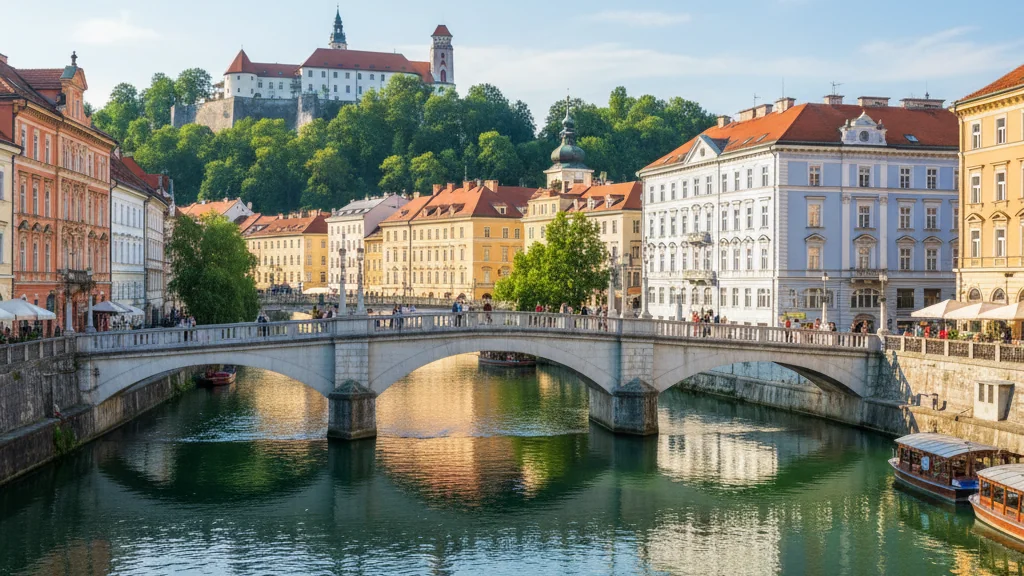
Packing for a family trip to Slovenia means preparing for a climate that shifts dramatically across seasons, from snowy Alpine winters to warm lakeside summers. Ljubljana and the surrounding regions experience genuine four-season weather, with temperatures ranging from 5.2°C highs in January to 27.1°C in July, and rainfall distributed year-round - sometimes exceeding 140mm in autumn months. Families visiting this compact Central European destination need versatile clothing layers, reliable rain protection, and gear that works equally well for medieval castle explorations and mountain hikes. This season-by-season packing guide uses climate data to help you choose the right clothing, footwear, and family essentials so your children stay comfortable whether you're exploring Bled, touring Ljubljana's old town, or venturing into the Julian Alps.
| Month | Avg high | Avg low | Rainfall | Rainy days |
|---|---|---|---|---|
| January | 5.2°C | -2.7°C | 83.5 mm | 9.0 |
| February | 7.6°C | -1.4°C | 100.0 mm | 10.1 |
| March | 11.8°C | 0.8°C | 63.6 mm | 9.3 |
| April | 15.9°C | 4.6°C | 84.8 mm | 9.7 |
| May | 19.2°C | 9.2°C | 133.9 mm | 15.6 |
| June | 25.1°C | 14.1°C | 90.0 mm | 12.2 |
| July | 27.1°C | 16.0°C | 101.0 mm | 11.9 |
| August | 26.4°C | 15.7°C | 100.3 mm | 10.2 |
| September | 21.2°C | 11.5°C | 143.0 mm | 12.3 |
| October | 16.6°C | 7.4°C | 110.3 mm | 9.8 |
| November | 10.4°C | 3.3°C | 140.0 mm | 11.0 |
| December | 5.8°C | -1.2°C | 98.0 mm | 8.8 |
Spring Packing Essentials (March-May)
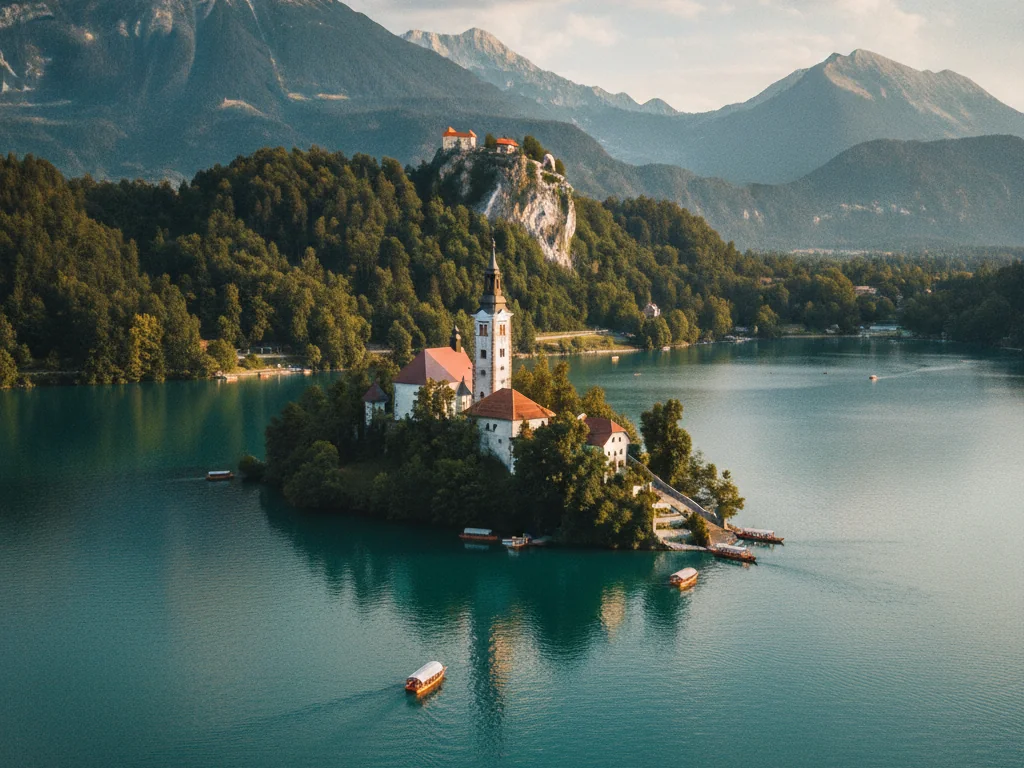
Spring in Slovenia brings rapidly warming temperatures but significant rainfall, particularly in May when precipitation peaks at 133.9mm across 15.6 rainy days. March sees average highs of 11.8°C and lows near 0.8°C, climbing to 19.2°C and 9.2°C respectively by May. Families need a layering system that can adapt to morning chill and midday warmth. Pack lightweight long-sleeve shirts, fleece jackets or hoodies for children, and a waterproof outer shell for everyone. Mornings at Lake Bled or in the Postojna Cave region remain cool even as afternoons turn pleasant. Include one warmer jumper per family member for early spring evenings. Trousers work better than shorts until late May, though pack one pair of each for older children. Waterproof trousers for toddlers prove invaluable during playground stops or forest walks when spring showers arrive. The combination of moderate temperatures and frequent rain makes spring packing about versatility - clothes that dry quickly, layer effectively, and transition between indoor castle tours and outdoor exploration without requiring a complete wardrobe change.
Summer Packing Essentials (June-August)
Summer delivers Slovenia's warmest weather, with July averaging 27.1°C highs and 16.0°C lows, alongside substantial rainfall - July records 101.0mm across 11.9 rainy days. Families encounter warm, occasionally hot conditions ideal for swimming in alpine lakes, but afternoon thunderstorms frequently sweep through mountain areas. Pack lightweight cotton or technical fabric t-shirts, shorts, and at least one sundress or light trousers per child. Despite warm daytime temperatures, evenings cool to 14-16°C, so include a light fleece or cardigan for each family member. Swimwear is essential - Slovenia's glacial lakes, riverside beaches, and thermal spa towns make water activities central to family itineraries. Pack a quick-dry towel for each child. Rain protection remains necessary even in peak summer: June through August each record over 90mm of rainfall. A packable rain jacket for every family member saves the day when clouds roll in during mountain cable car excursions or coastal visits to Piran. Lightweight fabrics that breathe in heat but dry quickly after sudden showers define successful summer packing for Slovenian family travel.
Autumn Packing Essentials (September-November)
Autumn brings Slovenia's heaviest rainfall, with September recording 143.0mm and November reaching 140.0mm, while temperatures drop from 21.2°C September highs to just 10.4°C by November. Early autumn retains summer warmth - September lows average 11.5°C - but by November, lows fall to 3.3°C and winter approaches. Pack in distinct phases: for September travel, bring summer clothing plus a medium-weight jacket and long trousers as backup. October requires transitional layers - long-sleeve shirts, jeans or casual trousers, and a waterproof jacket with insulation become daily essentials as highs drop to 16.6°C. November packing resembles early winter: warm coats, hats, gloves for children, and thermal base layers for mountain areas. The persistent rainfall throughout autumn makes waterproof outerwear the single most important packing decision. Families should ensure every member has fully waterproof (not merely water-resistant) jackets and consider waterproof trousers for younger children who play regardless of conditions. Pack extra socks - wet feet from puddle-jumping or rain-soaked shoes cause the most discomfort during autumn family outings. The combination of cooling temperatures and frequent rainy days means autumn packing requires more items than summer but rewards preparedness with comfortable castle visits and forest walks through Slovenia's golden beech forests.
Winter Packing Essentials (December-February)
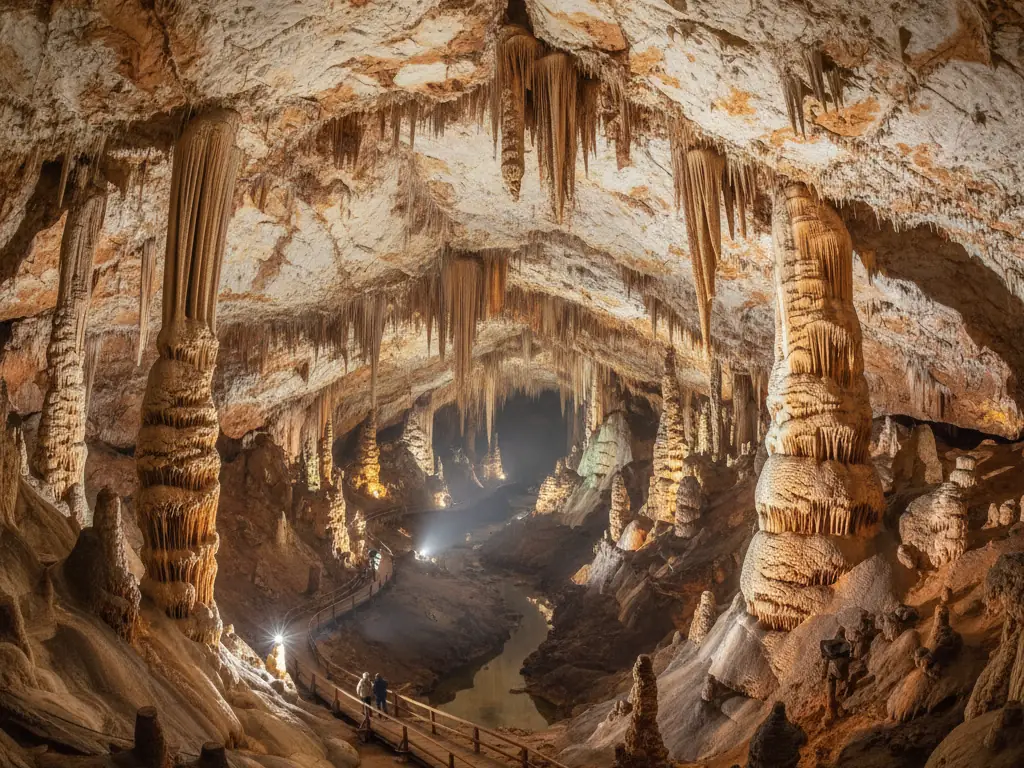
Winter in Slovenia brings cold temperatures and regular precipitation, with January averaging just 5.2°C highs and -2.7°C lows, alongside 83.5mm of precipitation across 9 rainy days - much falling as snow in mountain regions. February remains similarly cold with 7.6°C highs and -1.4°C lows. Families visiting during winter need proper cold-weather gear, especially if planning ski trips to Kranjska Gora or exploring higher elevations. Pack insulated winter coats for all family members, warm hats that cover ears, insulated gloves or mittens for children, and scarves or neck warmers. Thermal base layers (top and bottom) prove essential for outdoor activities and provide warmth without bulk under regular clothing during city exploration. Include warm jumpers or fleeces as mid-layers. Winter trousers should be wind-resistant; consider snow pants for children if winter sports or extended outdoor time is planned. December records 98.0mm precipitation, so waterproof outer layers remain necessary even in winter. The sub-zero nighttime temperatures and occasional daytime freezing conditions make proper footwear and extremity protection critical - cold hands or feet end family outings prematurely. Packing for Slovenian winters means prioritizing warmth and weather protection while maintaining enough flexibility for heated indoor spaces like museums, restaurants, and the famous Postojna Cave system, which maintains constant temperatures year-round.
Footwear for Family Travel in Slovenia
Slovenia's varied terrain - from cobblestone old towns to mountain trails and cave systems - demands thoughtful footwear choices for families. Waterproof hiking boots or trail shoes with good ankle support and grip suit the majority of family activities, from Vintgar Gorge boardwalks to Predjama Castle approaches. Given the year-round rainfall (ranging from 63.6mm in March to 143.0mm in September), waterproof footwear proves essential across all seasons. Children need properly fitted shoes with closed toes for cave tours, castle explorations, and woodland paths. Pack a second pair of comfortable walking shoes per family member - feet need rotation after full days of exploration, and wet shoes require time to dry. Sandals with back straps work for summer lake visits and warm-weather city walks, but avoid flip-flops that provide insufficient support on uneven surfaces. For winter visits when temperatures drop below freezing, insulated waterproof boots become necessary. Trainers alone rarely suffice for Slovenian family travel - the combination of frequent rain, outdoor-focused attractions, and varied surfaces quickly renders them inadequate. Breaking in new footwear before departure prevents blisters that can derail family itineraries. The investment in quality waterproof footwear for each family member pays dividends across seasons and activity types throughout Slovenia.
Sun and Rain Protection
Despite Slovenia's moderate climate and frequent rainfall, sun protection remains essential during summer months when UV exposure increases at both lowland and alpine elevations. Pack broad-spectrum sunscreen (SPF 30 minimum) and reapply regularly during lake days, mountain cable car excursions, and outdoor castle visits. Sunglasses with UV protection and wide-brimmed hats or caps help children during extended outdoor time from June through August when temperatures reach 25-27°C. Rain protection requires more consistent attention across all seasons. Compact, packable rain jackets for every family member should live in daypack accessible pockets - afternoon showers develop quickly, particularly in summer and autumn. A small travel umbrella provides backup coverage but proves cumbersome during active exploration. Consider rain covers for backpacks to protect electronics, snacks, and spare clothing. Waterproof phone cases or zip-lock bags protect devices during sudden downpours. For families traveling with infants or toddlers, a rain cover for pushchairs becomes essential given the 9-15 rainy days per month throughout much of the year. The sun-and-rain combination defines Slovenian weather, where morning sunshine can yield to afternoon storms within hours, making adaptable protection gear a packing priority that ensures family comfort regardless of weather shifts.
Kids' Essentials and Comfort Items
Beyond clothing and weather protection, several child-specific items enhance family comfort during Slovenian travel. Pack a small daypack for each child old enough to carry one - this builds responsibility and distributes snack and water weight across the family. Reusable water bottles matter in a country with excellent tap water and public fountains; staying hydrated during summer heat (27°C July highs) or while layered in winter clothing prevents fatigue and irritability. Include a small first-aid kit with children's pain relief, plasters, antiseptic wipes, and any prescription medications - pharmacies exist in cities but prove sparse in mountain villages. Insect repellent helps during summer forest walks and lakeside evenings, though Slovenia lacks aggressive mosquito problems. Entertainment for transport between destinations - whether books, small toys, or downloaded content on tablets - occupies children during scenic but winding mountain drives. Snacks familiar to your children provide security when Slovenian cuisine proves unfamiliar; local bakeries offer excellent pastries, but having backup options prevents mealtime struggles. A lightweight blanket or comfort item helps younger children settle in changing accommodation settings. For babies, pack sufficient nappies for the first days while you locate local shops. Slovenia's family-friendly infrastructure supports traveling with children, but bringing comfort essentials from home - favorite sippy cups, small comfort toys, familiar snacks - smooths daily transitions and reduces stress during the inevitable moments when travel fatigue affects young travelers.
What NOT to Bring
Overpacking burdens family travel, particularly in Slovenia where you will navigate medieval town stairs, castle pathways, and mountain trails. Avoid bringing full-size toiletries - Slovenia stocks international brands, and accommodation often provides basics; travel-size essentials suffice until you can purchase locally. Skip formal clothing unless attending specific events - Slovenian culture favors smart-casual dress, and restaurants welcome families in neat casual attire. Heavy guidebooks weigh down daypacks unnecessarily when mobile devices provide maps and information (download offline maps before departure). Resist packing excessive shoe options - two pairs per person (one waterproof, one backup) cover all scenarios. Leave behind single-use plastic bags, as Slovenia has strong environmental policies; bring reusable shopping bags instead. Avoid cotton-heavy wardrobes in favor of quick-dry synthetic or merino fabrics that wash and dry overnight in accommodation. Skip specialized gear you will use once - Slovenia offers equipment rental for skiing, cycling, and water sports at better quality than you can pack. Do not bring excessive quantities of any item "just in case" - Ljubljana and regional towns provide supermarkets, pharmacies, and shops stocking forgotten essentials. The goal involves packing sufficient variety for weather and activities while maintaining mobility for a family moving between destinations, climbing castle towers, and navigating charming but car-free old town centers where excess luggage becomes a liability rather than security.
FAQ
What type of jacket should I pack for visiting Slovenia with kids in summer?
Pack a lightweight, waterproof rain jacket for each family member even during summer months. Despite warm temperatures - July averages 27.1°C highs - Slovenia receives over 90mm of rainfall across 10-12 rainy days each summer month. Afternoon thunderstorms develop quickly in mountain areas, and a packable waterproof shell protects during sudden showers while remaining light enough to carry when the sun returns. Choose breathable fabrics over heavy waterproofs, as summer conditions rarely require insulation - just rain protection over t-shirts and shorts.
Do children need snow gear for a winter family trip to Slovenia?
Children need proper winter clothing for Slovenia from December through February when temperatures drop below freezing - January lows average -2.7°C. Essential items include insulated winter coats, warm hats covering ears, insulated gloves, and thermal base layers. If your itinerary includes mountain areas or skiing in regions like Kranjska Gora, pack snow pants for children. For city-focused trips, standard winter clothing with waterproof boots suffices, as Ljubljana and lowland towns receive mixed rain and snow with 83-100mm precipitation across winter months.
How many layers should kids wear when visiting Slovenia in spring or autumn?
Spring and autumn require flexible three-layer systems: a base layer (long-sleeve shirt), mid-layer (fleece or light jumper), and waterproof outer shell. March temperatures range from 0.8°C to 11.8°C, while November spans 3.3°C to 10.4°C with over 140mm rainfall. Children should start mornings with all layers and remove the mid-layer as temperatures rise, then add it back for cool evenings. This approach accommodates the significant temperature variation between morning and midday while providing rain protection during the 9-15 rainy days typical of transitional months.
What kind of shoes work best for families exploring Slovenian caves and castles with children?
Waterproof hiking shoes or trail shoes with good grip and closed toes suit the majority of family activities in Slovenia. Cave systems like Postojna require stable footwear for slippery surfaces, castle visits involve uneven cobblestones and stairs, and popular gorge walks feature metal boardwalks that become slick when wet. Given year-round rainfall ranging from 63.6mm to 143.0mm monthly, waterproof rather than merely water-resistant shoes prevent discomfort. Ensure proper fit with room for growth but secure ankle support - poorly fitted shoes cause blisters during the extensive walking typical of Slovenian family sightseeing.
Weather data: open-meteo (ERA5 reanalysis, 2014-2023 averages). Reviewed and updated periodically.